|
This week's research and innovation headlines and highlights |
|
|
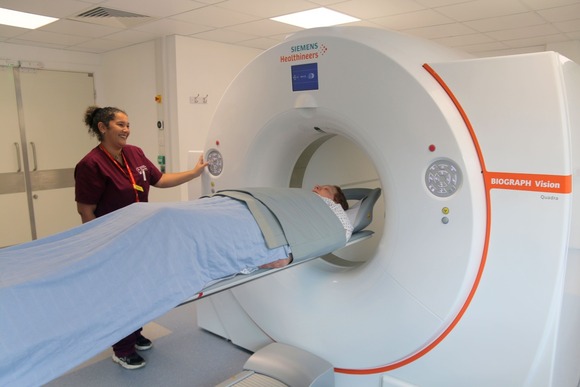
A new network of scanners will drive drug discovery and diagnose patients with illnesses like cancer, Alzheimer’s and heart conditions earlier and faster. The network’s first scanner to become operational was unveiled at St Thomas’ Hospital by Science and Technology Secretary, Peter Kyle, and Health Secretary, Wes Streeting. The platform is funded by a £32 million investment from UKRI’s Infrastructure Fund.
|
|
|
We are asking our communities to tell us what they think about UKRI in our second annual stakeholder perceptions survey. Your feedback will help us address issues, tailor our activities and measure our progress over the coming years. All responses are anonymous and the survey will be live until 19 December. If you have already started the survey your progress will have been saved and you can carry on where you left off.
|
|
|
Reducing the amount of protein in your diet might benefit your immune system during an infection, according to a study which reveals new insights into the link between dietary protein and innate immunity, as well as new avenues for further research.
|
|
|
The tropical coastlines of Southeast Asia are home to some of the most important and biodiverse marine ecosystems on the planet. But they are also among its most vulnerable, with areas of coral reefs, mangrove forests and seagrass beds under increasing threat from a range of human activities.
|
|
|
Increasing transfers between generations – from housing young adults to financial gifts and inheritances, and caring for children, adults and elderly relatives – are having a profound but unequal impact on people’s economic prospects, according to new research from the Resolution Foundation and CPC-Connecting Generations.
|
|
|
A potentially life-changing heart condition, dilated cardiomyopathy, can be caused by the cumulative influence of hundreds or thousands of genes and not just by a single ‘aberrant’ genetic variant, as was previously thought.
|
|
|
In the UK, credit card lending has reached £65 million, with around 4 million accounts in persistent debt. Many people can only make minimum repayments each month, which can trap them in long-term debt. Research by Professor Neil Stewart has guided the introduction of new rules by the Financial Conduct Authority (FCA) and is leading credit card companies to offer better services to their customers.
https://www.youtube.com/watch?v=t6HmeKl3rOo
|
|
|
|