|
This week's research and innovation headlines and highlights |
|
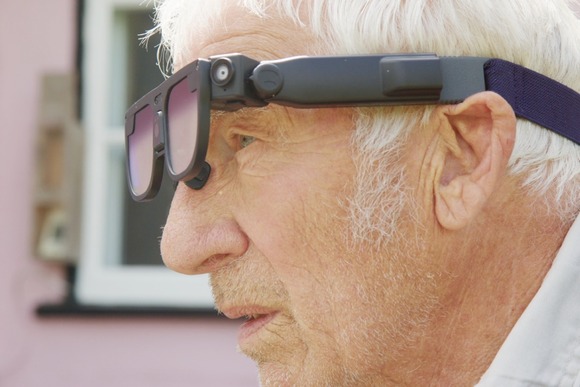
AI glasses to navigate environments and a smartwatch that learns daily routines are among five groundbreaking technologies named as finalists and each being awarded £300,000.
The Longitude Prize on Dementia recognises the creation of new assistive technologies that use AI to help people living with dementia maintain their independence for longer.
|
|
A study shows only one in four of those who want children, or more children if they are already parents, are actively trying to conceive. Not feeling ready, financial pressures, career considerations or not having a suitable partner are among the reasons.
|
|
People born in the late 1940s and 1950s – in England, the US and Europe are living longer, but are more likely to have cancer, lung disease, diabetes and heart problems in their later years than previous generations.
|
|
Psychologists have found leaders play a key role in influencing public opinion on low-carbon lifestyles. Visible leading by example increases the willingness of the UK public to make high- impact low-carbon choices.
|
|
Citizens from isolated parts of the UK and Ireland could have variations in their genetic code that increase their chance of developing certain diseases, a study suggests.
|
|
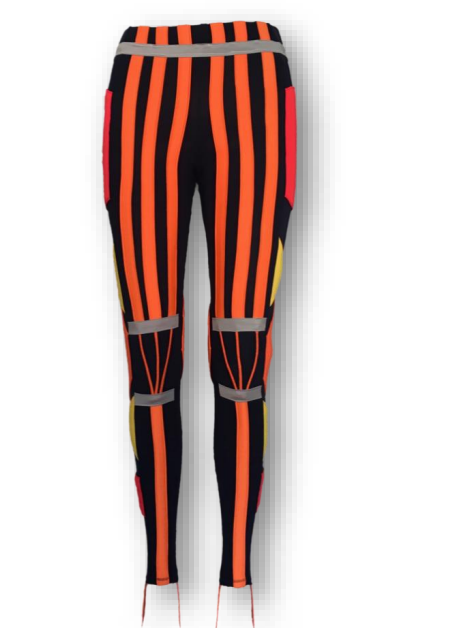
Trousers that pull themselves up to the command of a clap or magic word are the aim of a project designed to help people with mobility issues keep active and independent.
Company VIVO make robotic clothing with artificial muscles inside, to help people get up from a chair, climb the stairs or walk for longer. They have just been awarded £11 million.
|
|
|
|