|
This week's research and innovation headlines and highlights |
|
|
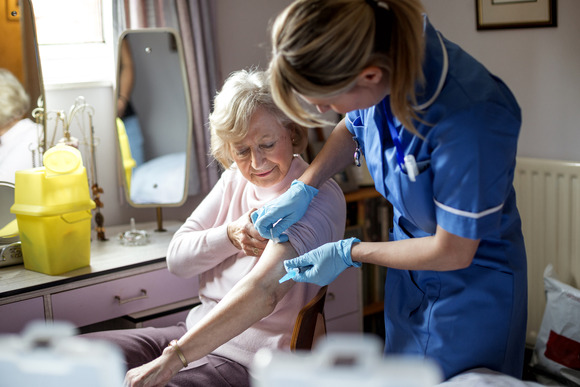
A vaccine to protect older people against Respiratory Syncytial Virus (RSV) could prevent 2,800 deaths in the UK every year, a review has found.
Based on a 70% take up, the injection would also prevent thousands of GP appointments, hospitalisations and ICU admissions.
|
|
Researchers have made a human “lung-on-chip” model that recreates how SARS-CoV-2 infects lung cells, in a contained lab environment. The system even includes breathing-like stretching.
|
|
New research has found that consuming more foods that are rich in flavonoids, such as berries, tea, red wine and dark chocolate, could lower their risk of dementia.
|
|
The gemstone has been grown in platinum from a ‘ruby seed’ which can be produced from discarded gemstones or waste gemstone materials. It is hoped the breakthrough will help change negative attitudes towards lab-gemstones.
|
|
Cotton fibres collected from UK commercial laundries can now be used in papermaking. Until now only pure cotton has been used but in trials with polycotton waste up to 98% of cotton fibres were successfully recovered.
|
|
Haitian migrant story nominated for Best Animation
An animation that tells the story of a Haitian migrant in Brazil fighting for his rights to work, buy a house and most importantly, reunite with his family from Haiti, has been shortlisted for an award.
Unstoppable Beat is screening at the Discover Film Festival in London this weekend and is a finalist for Best Animation.
Image: Unstoppable Beat. Credit: Illustrated by Studio Gruff for PositiveNegatives
|
|
|
|