|
This week's research and innovation headlines and highlights |
|
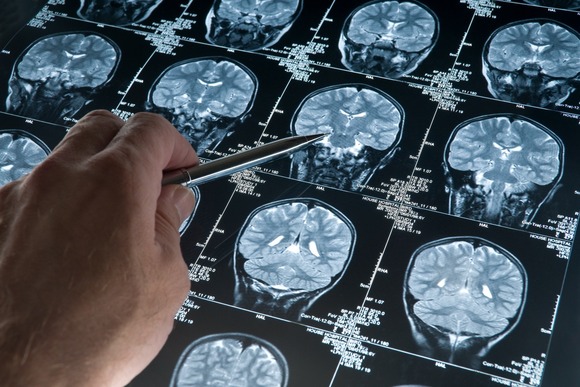
Addressing 14 modifiable risk factors, starting in childhood and continuing throughout life, could prevent or delay nearly half of dementia cases, according to a new report led by UCL researchers. The potential to prevent and better manage dementia is high if action is taken to tackle these risk factors, even in people with high genetic risk for dementia.
|
|
The hubs will ensure the UK benefits from the potential of quantum technologies, from healthcare and computing to national security and critical infrastructure.
|
|
AI is accelerating environmental science, helping to build a greener, more secure future while delivering economic benefits and increasing productivity.
|
|
Protein ‘signatures’, which can be obtained via a blood sample, can be used to predict the onset of 67 diseases, helping timely diagnosis, early initiation of treatment and improved patient outcomes.
|
|
A discovery made during research in the Pacific Ocean by a team from the Scottish Association for Marine Science (SAMS) is challenging the scientific consensus of how oxygen is produced and has even called into question how life on Earth began.
|
|
Meet David de la Haye, a PhD researcher in music at Newcastle University who has made a remarkable shift from being a technician to a practice-based researcher. David's work focuses on freshwater soundscapes and explores how the listening process can deepen our connection with the natural world.
|
|
|
|