|
This week's headlines and highlights |
|
Welcome to the UKRI bulletin, featuring the latest news, funding announcements and stories about research and innovation in action. |
|
|
THIS WEEK'S TOP STORY:
Redesigning future mRNA therapeutics including vaccines
|
|
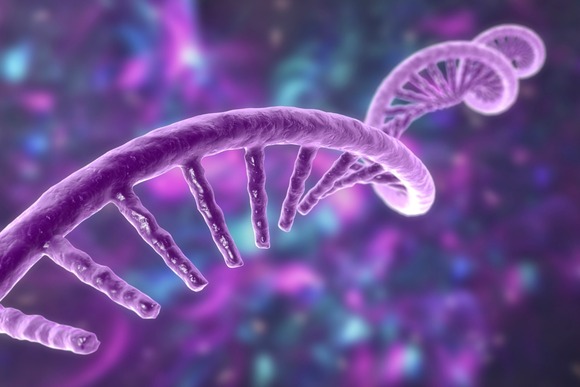
Vaccines based on messenger RNA (mRNA) technology could be modified to further decrease the potential for any unintended immune responses.
Researchers have discovered that mRNAs therapeutics, which include the type used in some COVID-19 vaccines, can be misread by cells’ decoding machinery and can cause ‘off-target’ immune responses.
The scientists at MRC’s toxicology unit have identified the sequence within the mRNA that can cause this and found a way to prevent it.
The unintended response in the body occurred in one third of those vaccinated but with no ill-effects. The COVID-19 vaccines have extensive safety data, and this study will contribute to the safety of future mRNA vaccines.
|
|
 |
|
Internet use doesn't appear to harm mental health. Despite assumptions about the negative psychological effects, links between internet use and psychological wellbeing are small at most. The ESRC-funded study from the Oxford Internet Institute examined data from two million people aged 15-89 in 168 countries.
|
 |
|
The UK is among eight countries and CERN to sign a new agreement, through STFC, to provide hardware for the Deep Underground Neutrino Experiment (DUNE) in the US. Neutrinos are the most abundant matter particles in the Universe but remain largely a mystery to physicists. |
|
|
THE ONE TO WATCH: ON THE BLOG: the ‘creeping and significant threat to human, animal and plant life’ |
|
The growing threat of resistance to antibiotics is the topic of one of the newest instalments in our Voices blog series.
Antimicrobial resistance is often described as a slow pandemic, with 10 million people a year expected to lose their lives to it by 2050.
Colin Miles, Head of Sector for Bioscience for Advanced Manufacturing and Clean Growth at BBSRC explains how bioscience alone won't be enough to counter the problem.
|
|
More UKRI research and innovation in action |
|
AND FINALLY: An invisibility cloak and robots for disaster recovery |
|
A real-life invisibility cloak and worm-like robotics for disaster recovery are just some of the upcoming technologies that could shape our future.
50 emerging technologies, a report from Innovate UK, reveals for the first time the most exciting new technological breakthroughs that could be part of our everyday lives.
4D printing and hypersonics are among the other technologies mentioned in the report. Innovate UK hopes it will encourage businesses to consider how future products and some very different new jobs could emerge from it.
Find out more.
|
|
|
|