|
This week's headlines and highlights |
|
Welcome to the UKRI bulletin, featuring the latest news, funding announcements and stories about research and innovation in action. |
|
THIS WEEK'S TOP STORY: UKRI welcomes Autumn Statement |
|
 |
|
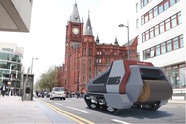
World first AI robot to tackle potholes. Start-up company Robotiz3d has developed the technology to automate and transform road maintenance. Located at STFC's Daresbury Laboratory, Robotiz3d has combined AI with advanced robotics to develop an autonomous vehicle that will locate and fix cracks and potholes in the road. |
|
|
THE ONE TO WATCH: New solar photovoltaic carport opens |
|
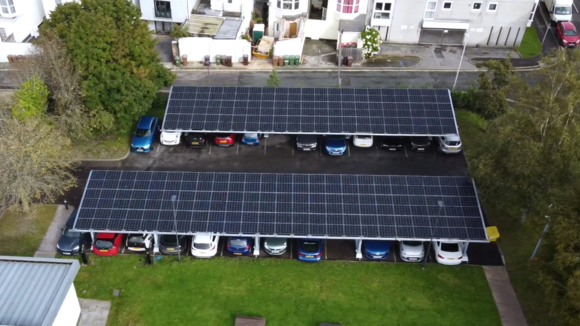
Plymouth Marine Laboratory has opened a new solar photovoltaic carport, that will save 65 tonnes of carbon dioxide each year.
The 315-panel carport in the Millbay area of Plymouth was funded by NERC and is a huge step towards PML's Net Zero ambitions.
The solar carport is installed over an existing car park with no removal of trees or planting.
Watch the video.
|
|
More UKRI research and innovation in action |
|
 |
|
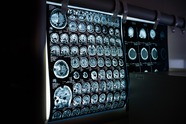
Anxiety in children having MRI scans can be eased with a virtual/augmented reality playkit, new research shows. The kit reduces the need for children to be put to sleep for the scan, boosting not only safety, but also waiting times. The study was led by the Universities of Sheffield and Plymouth, with funding from Innovate UK.
|
|
|
 |
|
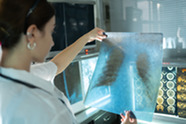
First effective treatment to prevent multidrug-resistant TB. Two clinical trials involving MRC-funded UCL researchers found that an oral antibiotic can substantially reduce the risk of developing multidrug-resistant (MDR) tuberculosis (TB) which is complex to treat and difficult to cure. Across both trials, taking the antibiotic levofloxacin reduced the risk of developing MDR-TB by 60%. |
|
|
AND FINALLY: How rare species are making a comeback on Instagram |
|
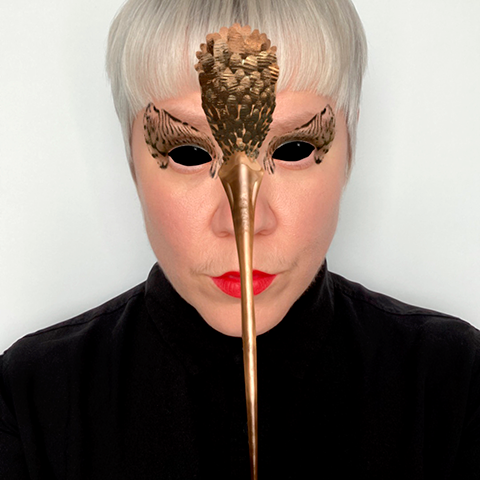
Five of the most threatened bird species are being turned into Instagram filters to help sound the alarm about their plight.
The endangered puffin, capercaillie, curlew, lapwing and mistle thrush, have been made into filters by artist Hanna Tuulikki.
They are embedded with alarm calls which translate each bird’s alarm signal into protest chants, fusing field recordings with the human voice to sound a red alert.
The Newcastle University-led work is part of an AHRC-funded project. Find out more and how to try the filters here.
|
|
|
|