|
This week's headlines and highlights |
|
Welcome to the UKRI bulletin, featuring the latest news, funding announcements and stories about research and innovation in action. |
|
THIS WEEK'S TOP STORY: First digital atlas of how the human brain develops in the womb published |
|
|
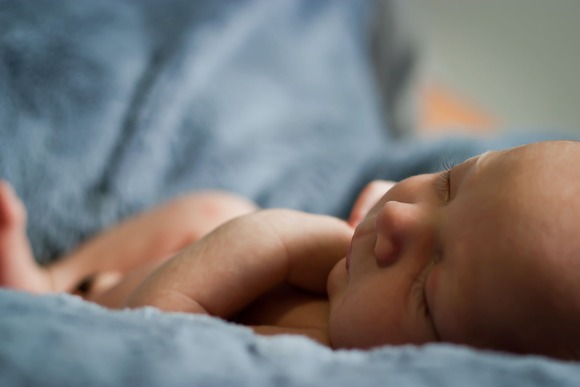
The first digital atlas showing how the human brain develops in the womb has been published by a team of global researchers.
The map uses over 2,500 3D ultrasound brain scans to show how each part of the foetal brain matures between 14 and 31 weeks gestation – a critical period of human development.
The scans were collected in sequence during pregnancy and analysed with advanced AI and image processing tools.
A University of Oxford-led global team of over 200 researchers involving multiple health and scientific institutions, carried out the work which included EPSRC, MRC and ESRC support.
|
|
 |
|
Consistently getting less than five hours sleep a night could increase the likelihood of depression. UCL-led research showed that people with a stronger genetic predisposition to short sleep were more likely to become depressed years later. Conversely, depression did not lead to less sleep. Includes BBSRC and EPSRC funding.
|
 |
|
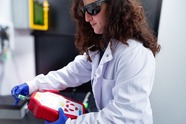
There's a new technique that can call out false vaccines. Fake products have been a problem before and during the pandemic. A new specialised laser technique that can identify them has been developed at STFC's Central Laser Facility. Oxford, Huddersfield and East London Universities were among the partners. Image CLF. |
|
|
ON THE BLOG: How the digital revolution is helping to protect our world |
|
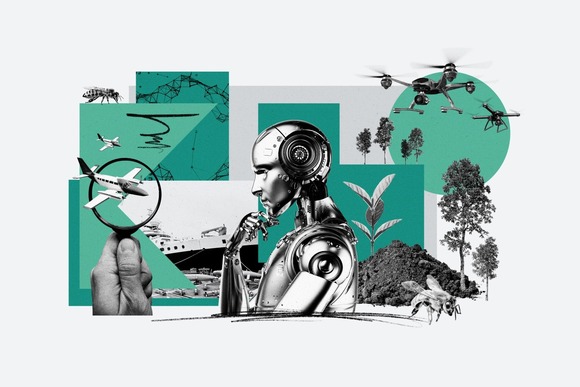
In the latest instalment of our Voices series, we hear from Simon Gardner, NERC's Head of Digital Environment.
Environmental science is changing as it adopts new digital technologies and meets its obligation to be less damaging to the environment it is monitoring.
In his blog, Simon explains how technologies such as artificial intelligence and quantum sensing are opportunities to do this monitoring more effectively and in real time so we, as individuals, organisations and businesses, can act more quickly.
|
|
More UKRI research and innovation in action |
|
 |
|
Regional SME innovation clusters across the UK are receiving a share of £75million to boost local economies and pioneer game-changing solutions from healthcare to net zero. Following pilots in Liverpool and Teesside, a further eight Launchpads, funded by Innovate UK, will be rolled out across every nation of the UK. |
|
|
 |
|
We are looking for volunteers to help us improve the UKRI website and ensure it enables you to find the funding and investment information you need. We would really appreciate 45 minutes of your time. If you can help, please email: mathams@associate.ukri.org |
|
|
AND FINALLY: Setting tongues wagging – what makes our accents so different? |
|
|
Ever wondered why an accent can be so different just a few miles down the road?
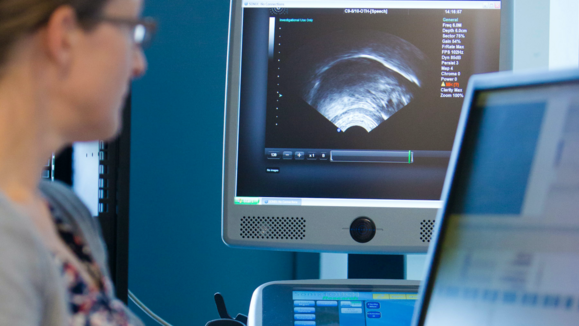
Scientists are using ultrasound recordings to find out.
By getting a side profile image of the tongue inside the mouth while people are speaking, researchers at Lancaster University will be able to explain what is happening at each stage and report on what they see.
They’re looking for volunteers in Lancashire to take part.
It’s all part of the Being Human Festival part funded by AHRC and Research England. But don’t worry if you’re not in Lancaster, look out for an event near you. Image Lancaster University.
|
|
|
|