|
This week's headlines and highlights |
|
Welcome to the UKRI bulletin, featuring the latest news, funding announcements and stories about research and innovation in action. |
|
THIS WEEK'S TOP STORY: No surgery Alzheimer's treatment in successful trials |
|
|
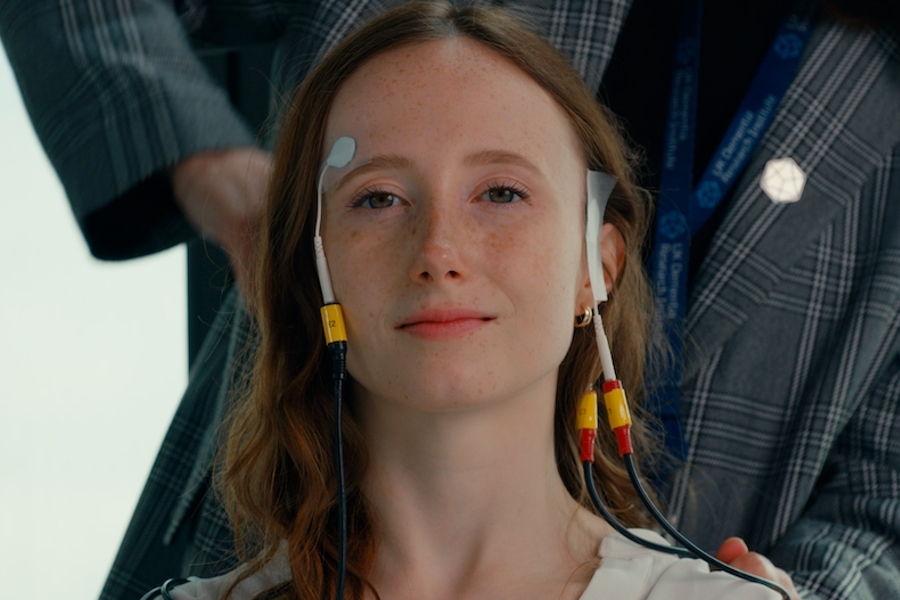
Researchers at the UK Dementia Research Institute (UK DRI) have successfully trialled a new treatment option for Alzheimer’s disease.
The deep brain stimulation technology was trialled with 20 healthy volunteers at UK DRI at Imperial College London and the University of Surrey.
The no surgery treatment safely delivers differing frequencies of electrical field through electrodes placed on the scalp and different parts of the head.
Scientists hope it could soon be used to improve symptoms in people living with Alzheimer’s disease and have begun trialling it in people with early Alzheimer’s. Includes MRC and BBSRC funding. Find out more.
|
|
 |
|
IN THE MEDIA: Climbing six flights of stairs a day could reduce the risk of heart disease and dementia, a new University of Glasgow study shows. The Daily Mail reports that people who regularly use stairs as part of their daily routine reduce their risk of developing these health conditions. MRC-funded UK Biobank data was used. |
|
|
 |
|
£37 million pounds in AI funding has been announced ahead of the UK AI Safety Summit. Researchers can bid for a share of £32 million to take their projects to the next level. A further £5 million will support 100 pioneering ideas from boosting clothing recycling to driving housebuilding. Image: Secretary of State for Science, Innovation and Technology, Michelle Donelan at Kapdaa. |
|
|
 |
|
NERC has announced the finalists of its 2023 Impact Awards celebrating individuals or teams whose environmental work has had a big impact in the UK or internationally. From protecting wildlife from space, to using wastewater to monitor health, the shortlist spans scientists from Plymouth to Loughborough. |
|
|
ONE TO WATCH: 3D-printed steak anyone? |
|
|
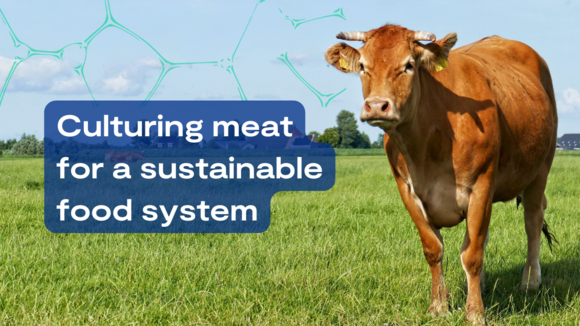
What can we do to reduce the environmental impact of the meat industry?
Professor Marianne Ellis from the University of Bath is looking at the environmental benefits of culturing meat and how we could increase its production for widespread consumption.
So what is cultured meat, how is it produced, and could we really be eating 3D-printed steaks?
Find out more. Watch the video.
The work is taking place at the EPSRC-funded Cellular Agriculture Manufacturing Hub.
|
|
More UKRI research and innovation in action |
|
 |
|
A digital marketplace for 3D printable cars is being launched by an Innovate UK-backed start-up company. Autentica Car Parts, based at Sci-Tech Daresbury, has developed a platform that allows car designers and manufacturers to sell spare parts designs to authorised dealers, distributors, and repair centres. |
|
|
 |
|
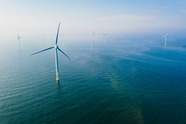
Offshore wind 'living lab' switched on in Grimsby as its port looks to accelerate development of digital tools which can be used to create efficiencies in wind power. Funded by Innovate UK, the lab was switched on at the Offshore Renewable Energy Catapult’s Operations and Maintenance Centre. |
|
|
 |
|
BBSRC has released a ground-breaking report showcasing the significant impact of its investments in wheat research and innovation over the last decade. A critical staple in global diets, wheat faces increasing demand due to a growing population and rising incomes. |
|
|
 |
|
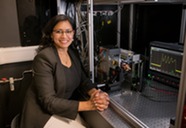
Dr Juna Sathian, Associate Professor in Northumbria University’s department of Maths, Physics and Electrical Engineering, is the only female member of the team of six EPSRC-funded academics awarded the Institute of Physics’ 2023 Michael Faraday Medal and Prize for outstanding and sustained contributions to experimental physics. |
|
|
AND FINALLY: Why this butterfly isn't actually blue |
|
|
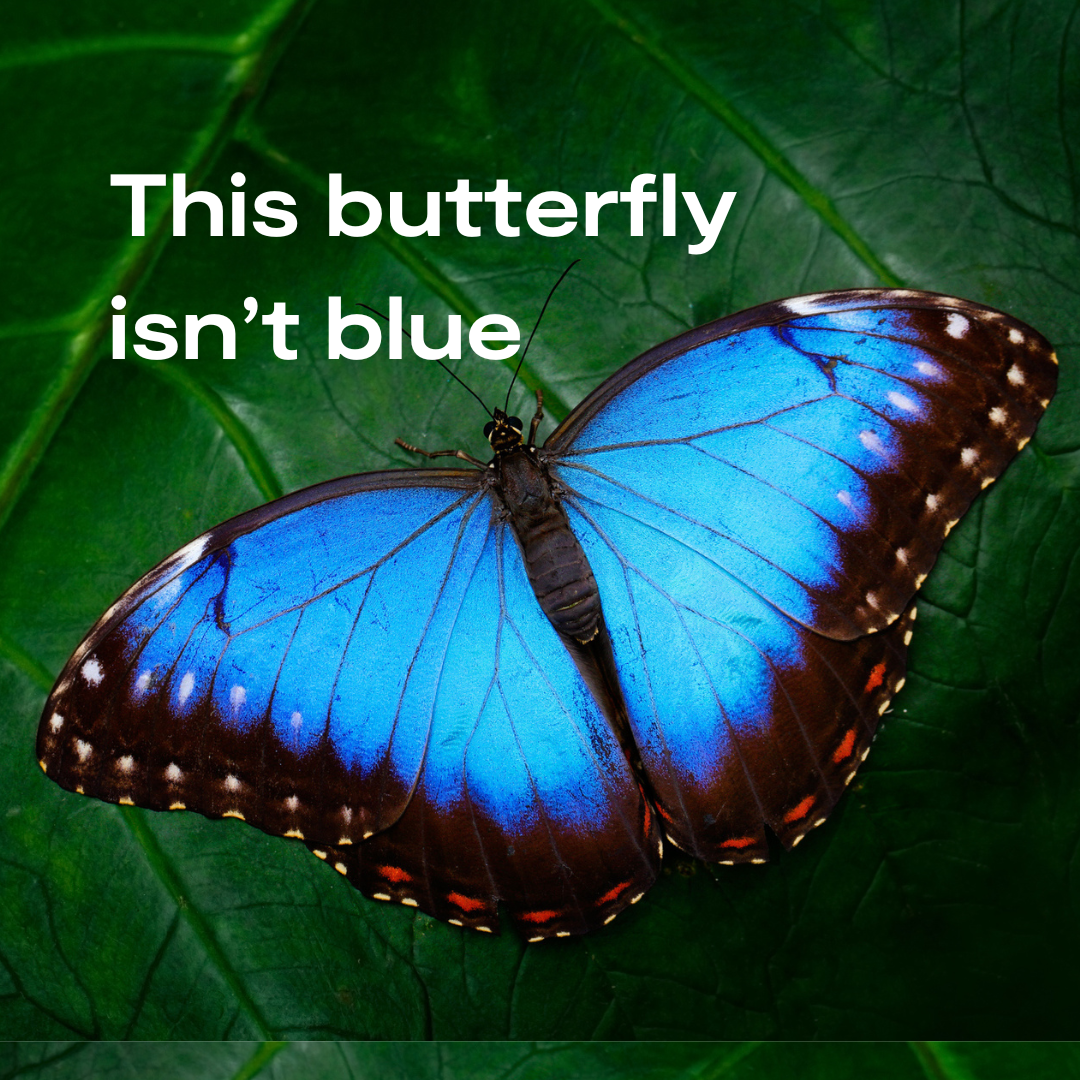
This butterfly might look like it is blue, but there is actually no colour at all.
The morpho butterfly's wings are made up of tiny ridge-like nanostructures that cause light waves to diffract and interfere. This is known as structural colouration.
Researchers are using STFC's ISIS Neutron and Muon source to find out more because it could lead to being able to make eco-friendly paint or even cooler buildings.
Find out how in our Instagram post.
|
|
|
|