|
This week's headlines and highlights |
|
Welcome to the UKRI bulletin, featuring the latest news, funding announcements and stories about research and innovation in action. |
|
THIS WEEK's TOP STORY: World’s most powerful laser to be built in the UK |
|
|
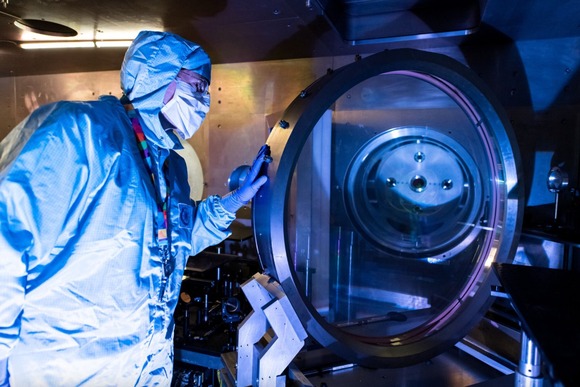
A laser a million, billion, billion times brighter than the Sahara Desert’s brightest sunlight is to be built in Oxfordshire.
Vulcan 20-20 will become the most powerful laser in the world.
Scientists will be able to use the laser to study materials in a fourth state of matter – plasma – during which particles behave differently to when they are solid, liquid or gas.
It means we can gain greater insight into essential products such as batteries and new methods for potential ion radiotherapy treatments for cancer.
The facility is an upgrade to the existing Vulcan laser at STFC’s Central Laser Facility and is being funded with £85 million. Image: Central Laser Facility
|
|
 |
|
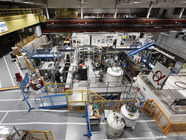
A ‘milestone in the study of antimatter’ has been announced at CERN. The first direct observation of how gravity affects antimatter, has shown that antimatter responds to gravity the same way as matter. Several UK universities are on the paper. STFC, its RAL and Daresbury labs and EPSRC contributed. Image: ALPHA experimental area. Credit: © CERN, Julien Marius Ordan. |
 |
|
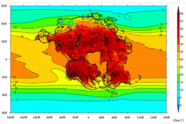
The next mass extinction since the dinosaurs died out is likely to happen in 250 million years according to researchers. A study in Nature Geoscience from scientists at the Universities of Bristol and Leeds shows the first-ever supercomputer climate model of the distant future. Heat is set to wipe out humans and mammals. The work is NERC-funded. Image: University of Bristol. |
|
|
ON THE BLOG: Building a stronger response to national emergencies |
|
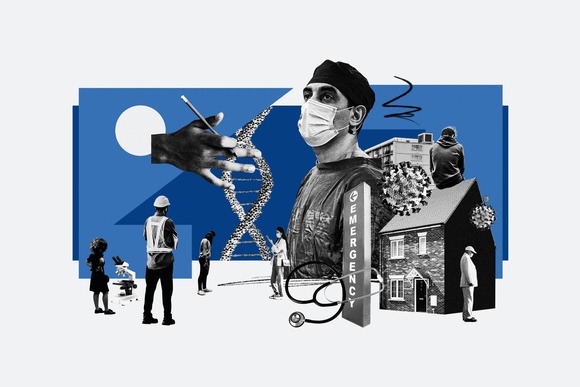
The most recent blog in our Voices series is by Jonathan Pearce, Director of Strategy and Planning of MRC. In it, he explores the importance of research and innovation when developing responses to national emergencies and what we can learn when it comes to dealing with emergencies in future. The blog also examines the recently published Impact evaluation of UKRI’s R&I funding response to COVID-19 report.
|
|
More UKRI research and innovation in action |
|
 |
|
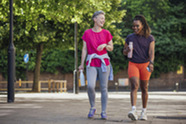
New low-cost wearable sensors embedded into t-shirts and face masks can record exercise, sleep, and stress, and diagnose and monitor disease. The sensors, developed by EPSRC-funded researchers at Imperial College London, are made from a new Imperial-developed cotton-based conductive thread.
|
 |
|
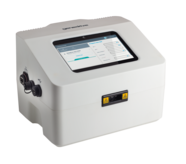
Lifesaving bedside stroke test receives UK product safety mark. A ward-based genetic test which can prevent stroke related death has received a UK Conformity Assessed product mark. The test was developed with funding from Innovate UK by Manchester-based company genedrive working with a clinical team from the University of Manchester and Manchester University NHS Foundation Trust.
|
 |
|
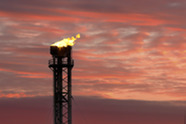
Methane leak in the UK detected using satellites. It is the first time a large-scale UK methane emission has been detected from space enabling it to be mitigated. An international team led by NERC-funded National Centre for Earth Observation scientists at the University of Leeds discovered a substantial methane leak near Cheltenham, Gloucestershire using GHGSAT’s high-resolution data.
|
|
|
 |
|
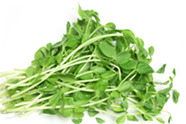
UK researchers boost B12 in pea shoots using aeroponics. New ultrasonic aeroponic technology is being used to grow Vitamin B12 fortified pea shoots which contain the recommended daily dose in a single small portion. The technology has been developed by a team of BBSRC-funded UK researchers to biofortify pea shoots with Vitamin B12 using aeroponic indoor farming.
|
|
|
AND FINALLY: Sticking together like birds of a feather |
|
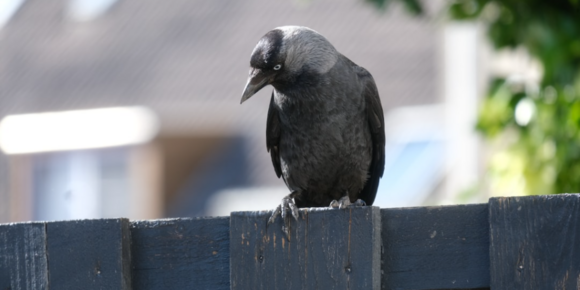
A study has found that jackdaws switch friends to gain food, making or breaking social relationships depending on how rewarding they are. Researchers from the universities of Bristol and Exeter looked at whether birds would change friendship groups if different friends offered more food. They found that the jackdaws do switch friends, but when it comes to family, the birds stick together, regardless of what advantages could be offered elsewhere. The work, published in Nature Communications, was funded by BBSRC. |
|
|
|