|
This week's headlines and highlights |
|
Welcome to the UKRI bulletin, featuring the latest news, funding announcements and stories about research and innovation in action. |
|
THIS WEEK's TOP STORY: Wood discovery pre-dates the evolution of our own species |
|
|
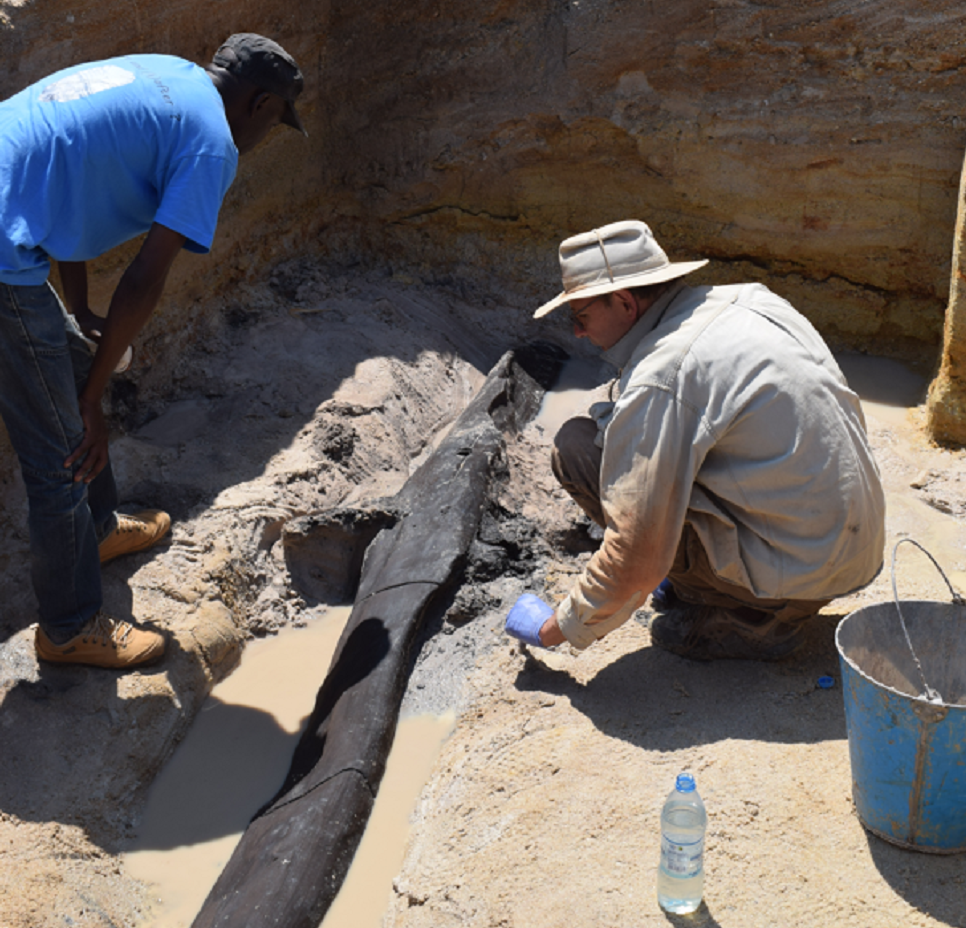
The discovery of the world’s oldest wooden structure, at nearly half a million years old, has thrown into doubt what we thought we knew about Stone Age humans.
Well-preserved wood found at the site of a waterfall in Zambia shows humans were deliberately crafting logs to fit together before the evolution of our own species, Homo sapiens.
It is the earliest evidence in the world, 476,000 years ago, of humans using wood for purposes other than making fire, digging sticks and spears.
More than 10 UK authors are named on the research paper. Watch the video. AHRC funded the work. Image: University of Liverpool.
|
|
 |
|
People exposed to significant air pollution in early childhood are more likely to die early than those raised in areas with better air quality, new findings suggest. University of Edinburgh-led research funded by ESRC, analysed data from nearly 3,000 people born in Scotland in 1936. It is the first study to show the life-long effects of breathing dirty air in early life. |
 |
|
A third of children who have lived in care have received a youth caution or criminal conviction. 33% of people born in a three year period in the 90s were cautioned or convicted, compared to 4% of those without care experience. The findings are in a policy briefing from ESRC-funded AD RUK Fellow Dr Katie Hunter. Image: Brian A Jackson/istock |
 |
|
An independent report shows the pivotal role played by UK researchers and innovators in tackling the pandemic. UK-funded COVID-19 papers are among the most cited in the world and publicly funded research helped shape government decision making, ease the impact of the pandemic and ultimately save lives. Read more.
|
|
|
THE FILM TO WATCH: A sustainable alternative to palm oil? |
|
|
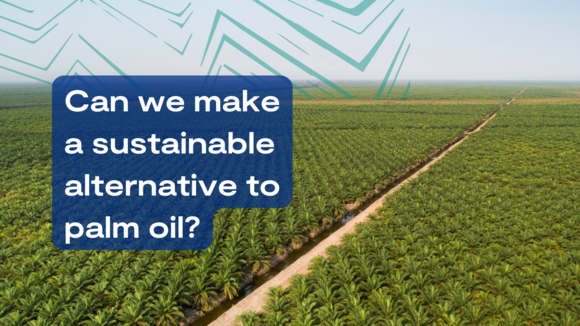
Finding sustainable alternatives to palm oil is one of the aims of a new sustainable manufacturing hub looking to transform food production, contributing to net zero and addressing food security.
The Cellular Agriculture Manufacturing Hub at the University of Bath will also look at tissue engineered cellular agriculture product, cultured meat, and the precision fermentation product.
The idea is to transition to environmentally, economically, and socially sustainable manufacturing systems that can complement traditional food production.
As this video explains in the case of palm oil the aim is not to replace it, but find alternatives. The hub is funded by EPSRC.
|
|
More UKRI research and innovation in action |
|
 |
|
A new study warns that women who discover that they carry a disease-causing variant in one of the breast cancer genes may be told their risk of breast cancer is 60 to 80%, when it could be less than 20% if they do not have a close relative with the condition. The study is funded by the MRC and led by the University of Exeter.
|
 |
|
A report by researchers at the University of Liverpool, Liverpool Hope University and Disabled People’s Organisation Chronic Illness Inclusion reveals the extent of discrimination faced by women, trans men, non-binary and gender nonconforming people with Energy Limiting Conditions. The AHRC-funded work calls for widespread improvements to their healthcare and support. More here. |
|
|
 |
|
A global collaboration to accelerate clean energy innovation has seen an investment of £61 million from the UK, the US, Canada and Australia. The programme will fund international, interdisciplinary collaborative research and create an ecosystem of global centres generating solutions to tackling the climate crisis. |
|
|
 |
|
A UK-US collaboration will develop future cancer research leaders, supporting early to mid-career researchers in the next phase of their cancer research careers. The Cancer Research Transatlantic Development and Skills Enhancement (DSE) awards, funded partly by MRC will fund placements for UK researchers at leading US cancer research institutions. |
|
|
 |
|
The ESRC Festival of Social Science returns next month for its 21st year. The annual celebration of the social sciences, includes events run by 42 research organisations across the UK from 21 October to 17 November. Hundreds of free events will be available for all ages, both online and in-person. Find out more. |
|
|
AND FINALLY: Why not all cow belches are equal |
|
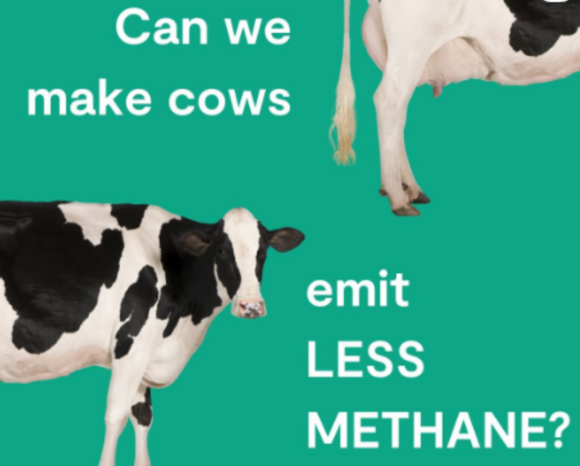
The average cow belches 100 kilos of methane a year and did you also know not all cows give off the same levels of methane? Why is this important?
Well somewhere between 11 and 19% of humanity’s greenhouse gas emissions come from animal agriculture and a large proportion of that is made up from methane released by cattle. But some breeds let off much lower emissions than others.
Find out on Instagram what UK scientists are doing to take on the challenge of methane emissions from cows.
|
|
|
|