|
UKRI Headlines and Highlights |
|
Welcome to the weekly UKRI bulletin, featuring the latest news, funding announcements and stories about research and innovation in action. |
|
|
Environment:
New water pollution monitoring system set to make a splash
|
|
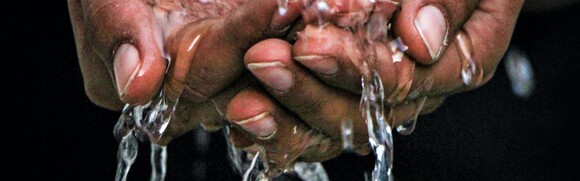
A new form of low-cost, 3D-printed water pollution sensor could make a splash in the world of environmental monitoring, according to its developers.
Pesticides are widely used in agriculture. However, they must be carefully handled, since even small spills into soil, groundwater or seawater can be harmful to human, animal and environmental health.The new sensor, which can help detect the presence of very low concentrations of pesticides in water samples, could make water monitoring quicker, easier and more affordable.
The collaboration between researchers in Scotland, Portugal and Germany was supported by EPSRC, among others.
|
|
 |
|
UN Human Rights Award win. A coalition including the One Ocean Hub funded by the UKRI Global Challenges Research Fund, has won the UN Human Rights Award. |
|
|
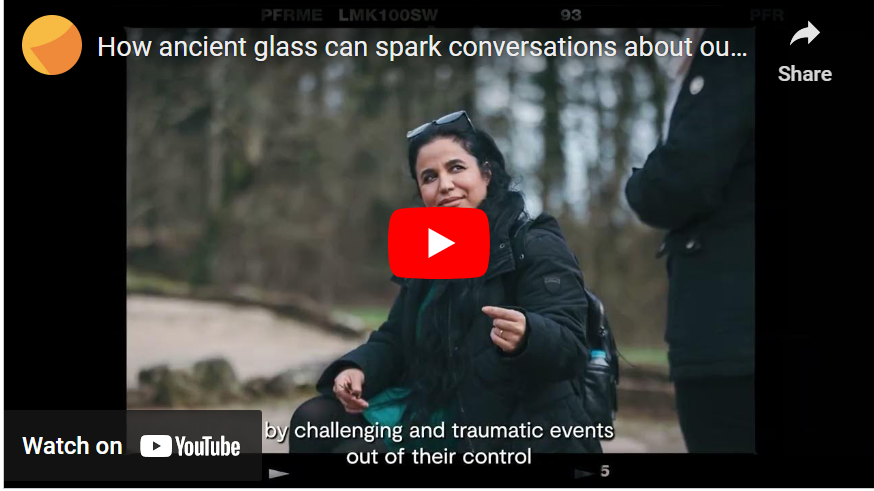
How ancient glass can spark conversations about our present.
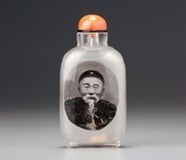
What can we learn from an Islamic glass fragment found in a Scottish castle’s grounds? Through World Class Labs, researchers have been able to use cutting edge technology to take their research further and engage communities in topics that matter to them.
|
|
UK Research and Innovation in action |
|
 |
|
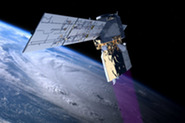
Aeolus weather satellite completes final mission. The European Space Agency’s Aeolus weather satellite has successfully completed its final mission by re-entering Earth’s atmosphere. The satellite, named after the Greek god of winds and part-funded by STFC, operated for nearly five years using a laser to measure wind speeds around the globe for weather forecasting purposes. |
|
|
 |
|
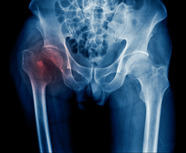
Vegetarian diet raises hip fracture risk for both genders. Both men and women who follow a vegetarian diet face a greater risk of a hip fracture compared to people who regularly eat meat, partly explained by their lower BMI, according to the results of a large-scale study part-funded by MRC. |
|
|
 |
|
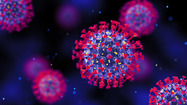
Gypsy Traveller group faced a higher risk during the COVID-19 pandemic. New ESRC and MRC-funded research shows, for the first time, a higher risk of COVID-19 hospitalisation or death for the White Gypsy/Traveller ethnic minority group. The research also found a higher risk of hospitalisation and death for Pakistani and African people when compared with the White Scottish group. |
|
|
 |
|
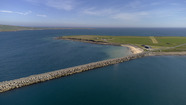
UK's first drone mail service begins in Orkney. The drone service, funded by Innovate UK, is expected to significantly improve service levels and delivery times to Graemsay and Hoy, and will also bring significant safety improvements by ensuring postal workers can deliver between ports without risk. |
|
|
 |
|
New funding to support children and young people hub. Over £11 million of funding from the UK Research Partnership Investment Fund for King’s College London from Research England will fund cutting-edge brain imaging equipment and a pioneering mental health research collaboration hub at the Pears Maudsley Centre for Children and Young People. |
|
|
|
Meet the rafflesia, a parasitic plant that is entirely dependent on its host. Over the centuries rafflesia has lost the features that a plant would usually have to survive like the ability to photosynthesise. Instead the rafflesia steals water and nutrients from its vine-like host. The only thing it can do for itself is flower to reproduce but trust us, it’s not a pretty sight (or smell).
Watch to learn more - UKRI (@weareukri) • Instagram photos and videos
|
|
|
|