|
UKRI Headlines and Highlights |
|
Welcome to the weekly UKRI bulletin, featuring the latest news, funding announcements and stories about research and innovation in action. |
|
HEALTHCARE: Cancers and heart disease could be diagnosed more easily with new rapid test |
|
|
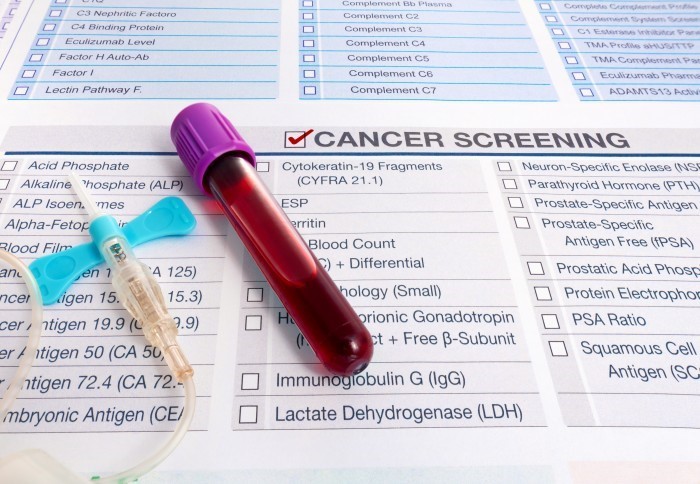
Researchers from Imperial College London have built a new easy-to-use test that could diagnose non-infectious diseases like heart attacks and cancers more quickly.
The new test works by detecting molecular signals in the body called biomarkers, which are already used in things like COVID-19 testing where the presence of SARS-CoV-2 genes indicates COVID-19.
The new test can be used at room temperature in a user-friendly process, whereas diagnostic tests based on RNA or DNA often require controlled temperatures and involve multiple steps.
The researchers, from the EPSRC Interdisciplinary Research Centre in Early Warning Sensing Systems for Infectious Diseases (i-sense) hope the new test could enable quicker and easier diagnostics in settings like GP surgeries, as well as in resource-limited clinics in developing countries.
This work was funded by the British Heart Foundation, EPSRC, the Department of Defense, the Royal Academy of Engineering, and the Rosetrees Trust.
Find out more.
|
|
NET ZERO: High levels of pollutants found in Antarctic snow |
|
|
Scientists have recorded markedly increased levels of ‘fluorinated forever chemicals’ in Antarctic snow.
The chemicals are thought to have originated from our use of replacements for chlorofluorocarbons (CFCs), which once threatened to destroy Earth's vital ozone layer before a global agreement to ban them was agreed – thanks to world-changing research by NERC scientists.
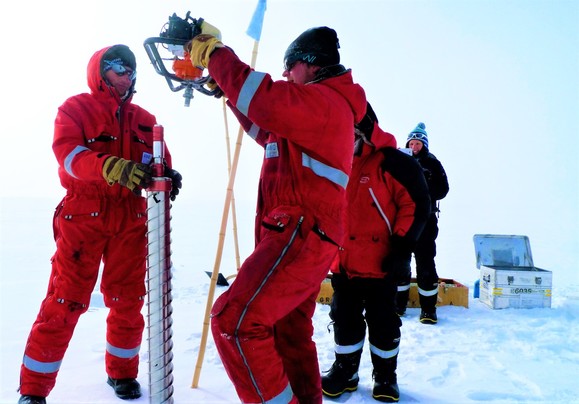
In the new research, a team led by the University of Lancaster, which included scientists from NERC's British Antarctic Survey, extracted and analysed compacted snow cores from the Dronning Maud Land plateau of eastern Antarctica.
These cores include particulates that were released from the atmosphere during snowfall and so provide a historic record of the atmosphere between 1957 and 2017.
The researchers found that in this time, levels of fluorinated forever chemical have risen consistently with a marked increase in the last few decades.
Fluorinated forever chemicals have a range of uses including in non-stick coating for pans and fire-fighting foams but do not break down naturally when released in the environment.
The team's findings are a sobering reminder that our industrial activities continue to have global consequences.
Find out more.
|
|
|
UKRI EXPLAINED:
Episode one: How we are funded and how we allocate that funding
|
|
|
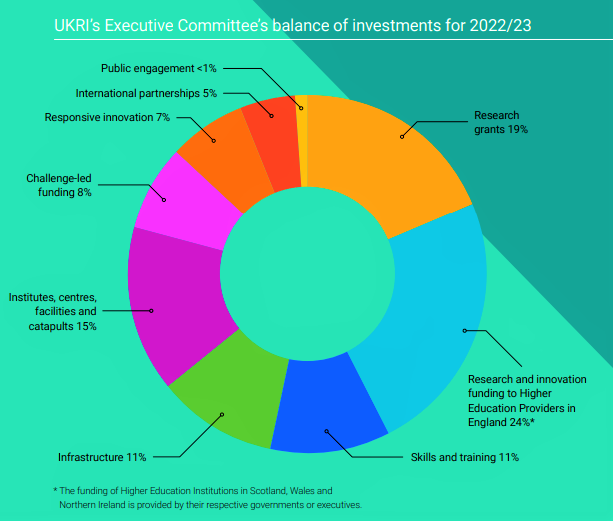
Introducing a new series about how UKRI operates, how we are funded, and how we allocate that funding to make the most effective impacts for society and the economy.
In this first edition, we explain the systems and processes behind UKRI’s budget. We are also kicking off with some key facts, impacts and numbers. For example:
Vaccines: The success of the Oxford-AstraZeneca vaccine was built on decades of in-depth research, underpinned by UKRI funding.
Attracting private investment: UKRI’s challenge-led portfolio is forecast to attract
over £2 of co-investment from industry and other partners for each public £1 invested.
Creating new businesses: UKRI grants have generated over 1,000 spin-outs since 2004. Success stories include Oxford Nanopore Technologies, a biotech company based on commercialising DNA sequencing technology now valued at £4.8 billion.
Unleashing innovation and economic growth: Firms participating in research and innovation projects funded by UKRI experienced 22.5-28% faster turnover and employment growth in the six years following the project.
Higher Education: Our Higher Education Innovation Fund connects university research to businesses and society. It has achieved a return on investment of £8.30 per £1 invested.
Improving lives across society: UKRI-funded research outlining the science behind how children learn to read is transforming the way reading is taught in classrooms around the world and is helping potentially millions of children improve their life chances through better literacy skills.
Find out more.
|
|
|
QUANTUM TECHNOLOGIES:
£6 million to tackle fundamental questions
|
|
THE FILM TO WATCH: Sustainable FlexFarming concept produces high quality UK strawberries 365-days a year |
|
|
Strawberries currently dominate the UK berry growing market, but outside of British summertime, the majority of produce available to consumers is imported from abroad.
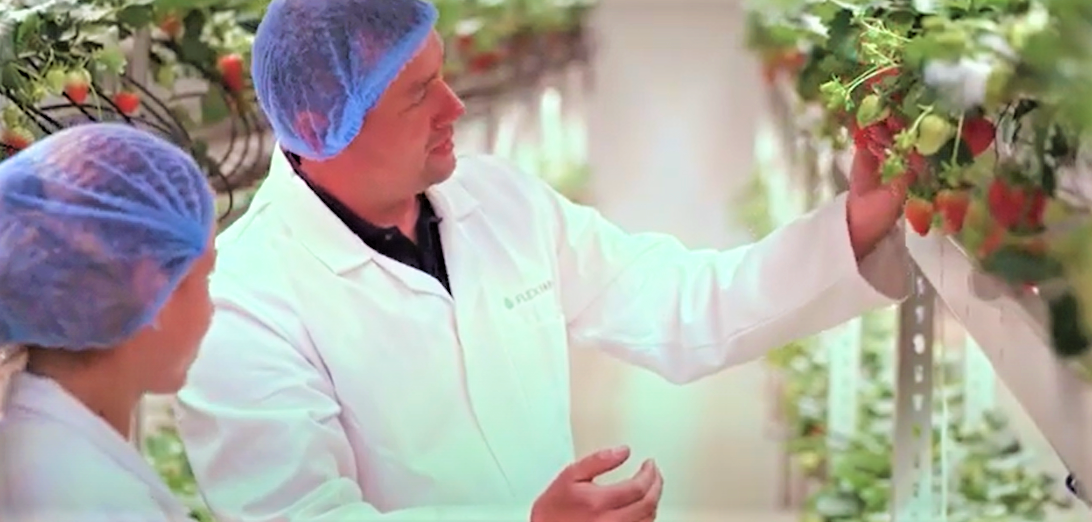
Now, with pivotal support and funding from Innovate UK, Somerset-based start-up FlexFarming is pioneering an indoor 'vertical farming' system that can achieve a higher yield and quality of produce 365 days a year. Not in Mexico or China but here, in the UK.
That's not all. The company's vertical farming system uses 90% less land and 95% less water than traditional farming. Not forgetting the carbon savings compared to the emissions incurred through an extensive global supply chain.
FlexFarming is already reducing its carbon emissions by using renewable energy sources, but the team are focused on achieving a highly efficient net zero strawberry production system.
Find out more and watch the film.
|
|
|
HEALTHCARE:
Researchers develop new photoacoustic endoscope to fit inside needle
|
|
|
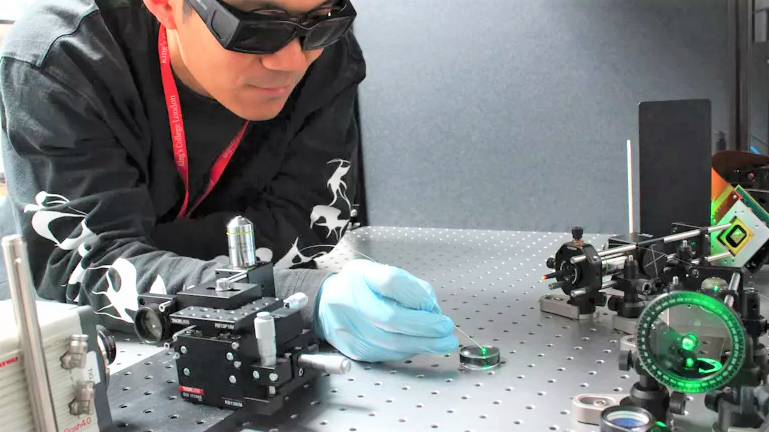
Researchers from King's College London and UCL have created a photoacoustic imaging endoscope probe that can fit inside a medical needle with an inner diameter of just 0.6 millimeters.
Photoacoustic imaging, which combines light and sound to create 3D images, can provide important clinical information, but until now the instruments have been either too bulky or too slow for practical use as forward-viewing endoscopes.
Traditional light-based endoscopes can only resolve tissue anatomical information on the surface and tend to have large footprints.
The new thin endoscope can resolve subcellular-scale tissue structural and molecular information in 3D in real-time. It is also small enough to be integrated with interventional medical devices.
The research was funded by the European Research Council, EPSRC, Wellcome and the Academy of Medical Sciences.
Find out more.
|
|
|
Seventy per cent (seven in ten) of Premier League footballers face Twitter abuse.
These are the findings of a new project by The Alan Turing Institute and Ofcom.
The research team analysed over 2.3 million tweets directed at Premier League footballers over the first five months of the 2021/22 season.
The study found that nearly 60,000 abusive posts were sent in the period, affecting seven in 10 Premier League players.
It also found that 68% of players (418 out of 618) received at least one abusive tweet, and one in 14 (7%) received abuse every day.
Researchers discovered that half of all abuse towards Premier League footballers is directed at 12 particular players. These players each received an average of 15 abusive tweets every day.
The research team created a machine learning model that was trained on thousands of tweets until it could automatically identify whether or not a tweet was abusive.
The model was developed as part of The Alan Turing Institute’s EPSRC-funded Online Harms Observatory.
The project was funded by EPSRC through UKRI's Strategic Priorities Fund and the Alan Turing Institute, which was launched in 2015 with funding from EPSRC and five founding universities.
Find out more.
|
|
PANDEMIC LEGACY: The self-employed were hardest hit, have not recovered, and are on the brink of severe financial hardship |
|
|
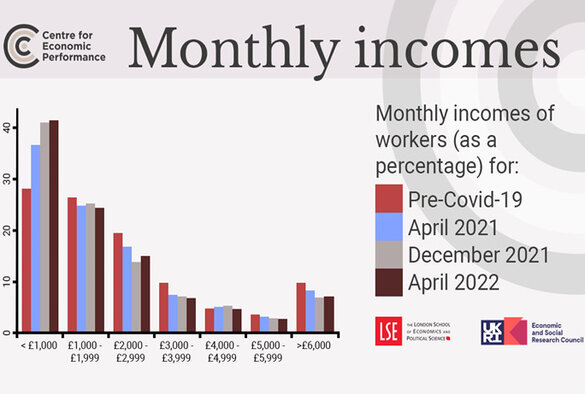
Self-employed workers in the UK were among the hardest hit by the pandemic, and their incomes and businesses have still not recovered.
These are the central findings of research from the ESRC-funded Centre for Economic Performance (CEP) at the London School of Economics and Political Science.
The report – which draws on a new survey of 1,500 people, a representative sample of the self-employed population – reveals that the incomes and profits of self-employed workers are worse now than one year ago.
Maria Ventura, co-author and research assistant at CEP, says: “The condition of the self-employed is already precarious and any major new challenges may tip many of them over the brink into severe financial hardship.
"From a policy perspective, this may require specific interventions to help them through the new adverse and unstable economic climate.”
Find out more and read the report.
|
|
QUOTE OF THE WEEK: Penguins evolved to be aquatic creatures before the polar ice sheets formed |
|
|
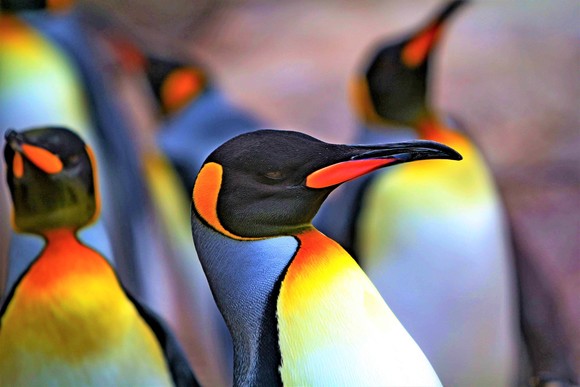
"When most people think of penguins, they picture them among ice floes and being chased by leopard seals, but penguins evolved to be aquatic creatures before the polar ice sheets formed." Professor Richard Phillips, seabird ecologist at NERC's British Antarctic Survey
Professor Phillips is co-author of a new study by an international team of 40 researchers that reveals some surprising findings about the evolution of penguins.
The team analysed the complete set of DNA of all living and recently extinct penguin species, and combined this knowledge with the fossil record to gain new insights into the key events and processes that shaped the evolution of these iconic birds.
They have revealed that, over time, penguins evolved characteristics that allowed them to colonise a wide range of marine environments, from the tropics to Antarctica.
Find out more.
Photography: Mark Mallett
|
|
Tackling climate change and threats to our environment |
|
Bus company goes greener with biomethane gas-powered bus decked-out in iconic Climate Stripe livery |
|
Researchers from the universities of Nottingham and Bologna have discovered a key gene in barley and wheat that controls the angle of root growth. Steeper root angle helps bury carbon deeper in soil and also improves resilience in crops to drought stress. The findings could potentially allow the design of root systems that can find nutrients by growing deeper while also capturing carbon at lower depths. BBSRC co-funded the research. |
|
Swansea University and Tata Steel are developing greener, lighter, cheaper and flexible solar roofing panels which can be printed on the steel used in buildings. The university's UKRI-supported SPECIFIC Innovation and Knowledge Centre, which developed the 'Active Building' concept, is contributing manufacturing expertise for the printable cells. |
|
UKRI-supported research and innovation in action |
|
A University of Glasgow study has highlighted very high rates of premature mortality from avoidable causes of death amongst society’s most disadvantaged. The study, co-funded by MRC, used population data from over 500,000 adults in Glasgow to show that homelessness, opioid addiction, involvement in the criminal justice system and psychosis were all independently, and jointly linked to early and avoidable deaths. |
|
Psychologists at the University of Exeter believe they have discovered the answer to a 60-year-old question as to why people find it more difficult to recognise faces from visually distinct racial backgrounds than they do their own. Using direct electrical current brain stimulation, they found that the effect would appear to be caused by a lack of cognitive visual expertise and not by social bias. The research was funded by UKRI/ESRC. |
|
COVID-19 research and innovation |
|
New teachers experienced isolation and self-doubt because of pandemic restrictions, but also demonstrated resilience that could make them even better teachers, a new report has found. Findings from the King’s College London study, funded by ESRC, will inform practical recommendations for policymakers, school leaders and Initial Teacher Education providers across the UK. |
|
New research at King’s College London and Royal Holloway, University of London, has found that, on average, the mental health of young adults in England and Wales demonstrated remarkable resilience against the effects of the pandemic and ensuing lockdown. The Wellcome Trust funded-project drew on data from the MRC-funded Twins Early Development Study. |
|
ONE MORE THING: Poisonous pooch poo means raw meat should be kept off our dogs' menus |
|
|
|
|