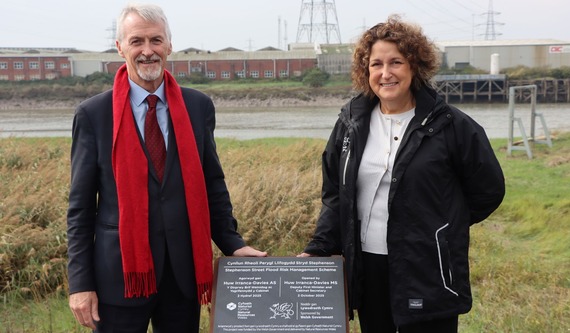
This Friday (October 31) marks the end of an era as Sir David Henshaw steps down as Chair of Natural Resources Wales after eight years of dedicated service.
On behalf of everyone at the organisation, we would like to thank him for his leadership, commitment, and unwavering support.
Sir David’s tenure has been defined by transformation and resilience. Under his guidance, we have navigated major challenges - from the global pandemic to the growing impacts of climate change, while staying focused on our purpose.
Key milestones include our return to an unqualified audit opinion, strengthened financial governance, and a leading role in Wales’ green recovery following the coronavirus pandemic.
Water quality became a personal priority, with the organisation driving investment and accountability across the sector.
As we look ahead, our new Corporate Plan sets a clear vision to 2030. The challenges are complex, but we are better equipped than ever to meet them.
Thank you, Sir David, for your enduring contribution to Wales’ natural environment.
Our new Chair Neil Sachdev will start his role with us on November 1, and we will be welcoming him in next month's edition.
|
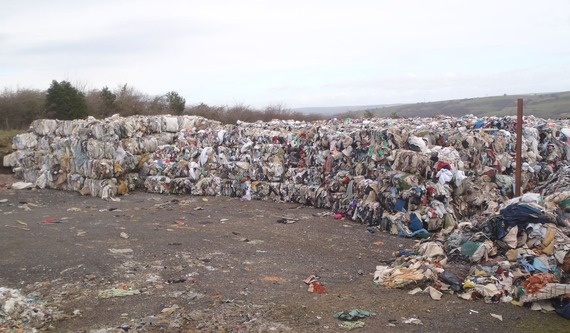 A man who ran illegal waste operations at three separate sites across Wales has been sentenced and ordered to repay £322,500 under the Proceeds of Crime Act.
Stephen John Williams, 69 from Tondu, Bridgend, was the sole owner of two waste removal companies, Wenvoe Environmental Limited Ltd and Servmax Ltd.
Between October 2018 and October 2019, Mr Williams organised the illegal deposit of 2,600 tonnes of contaminated textile waste at sites in Caerphilly, Cowbridge and Dolgellau.
At Cardiff Crown Court on 3 October 2025, Mr Williams was sentenced to 21 months imprisonment suspended for 2 years, following a successful prosecution by Natural Resources Wales. He must also complete five rehabilitation activity days.
The charges against Mr Williams and his companies included operating waste sites without environmental permits, mixing and storing contaminated waste, and failing to take proper steps as a waste broker to prevent illegal deposits by others.
We continue to strengthen regulation of the water industry in Wales, as data from our annual Environmental Performance Assessment report shows another year of disappointing results for Dŵr Cymru Welsh Water.
The main area of concern highlighted in the report is another increase in sewerage pollution incidents – rising for the fifth year running.
Earlier this year, we published a Pollution Incident Report, which revealed that Dŵr Cymru Welsh Water was responsible for 155 sewerage and water supply pollution incidents during 2024, including six serious incidents and 149 lower impact incidents. This is the highest number of incidents recorded by the company in ten years.
Improvements were recorded in data for the company’s self-reporting of incidents. During 2024, the company self-reported 74% of incidents, representing a 6% improvement since 2022, but still below the 80% target.
Compliance with numeric permits for discharges from wastewater treatment works and water treatment works rose from 98% in 2023, to 98.7% in 2024, but further improvement is needed to get to 99% compliance. These set quantitative limits which protect the receiving watercourse.
Elsewhere in the report, concerns were noted about a rise in non-compliant sites with descriptive permit conditions. These conditions cover aspects such as site maintenance, operational management, and reporting obligations, including self-monitoring responsibilities.
The report confirms that Dŵr Cymru Welsh Water will remain at two-star ‘company requires improvement’ rating for the third consecutive year.
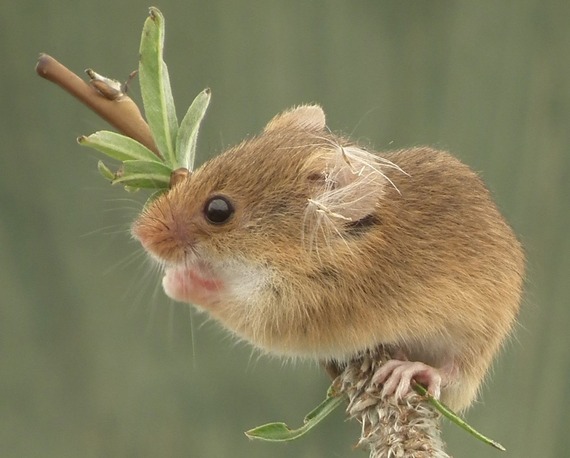 We are calling on volunteers across Wales to take part in the National Harvest Mouse Survey, led by The Mammal Society.
Wales is currently underrepresented in the National Harvest Mouse Survey, and we are keen to encourage greater participation to help fill these data gaps. Every new record will contribute to a clearer understanding of the species’ distribution and inform future conservation efforts.
The harvest mouse is one of Wales’ smallest and most elusive mammals, known for its delicate woven nests hidden in tall grasses. Despite its charm, the species remains under-recorded in Wales, making it difficult to assess its true status and distribution.
We have supported harvest mouse surveys in the past, notably during the Mammals in a Sustainable Environment project (2011–2015), which uncovered previously unknown records of the species. However, data remains limited.
Following the successful launch of the first Peatland Restoration Grant, landowners can again apply for £10K-£250K to restore the irreplaceable peatlands of Wales.
The second round of the competitive Peatland Restoration Grant, launched 15 October 2025, provides a £700K pot to fund development and/or delivery of peatland restoration by March 2027.
The Welsh Government funded grant scheme to restore peatland is allocated through the National Peatland Action Programme(NPAP) which is managed by Natural Resources Wales. Peatland is the most valuable land in Wales for storing carbon, yet of the 4% of Wales covered in peatland, around 90% is considered damaged and in this condition releases harmful greenhouse gases.
The competitive grants for the development and/or delivery of peatland restoration are open to private landowners and public/voluntary organisations alike.
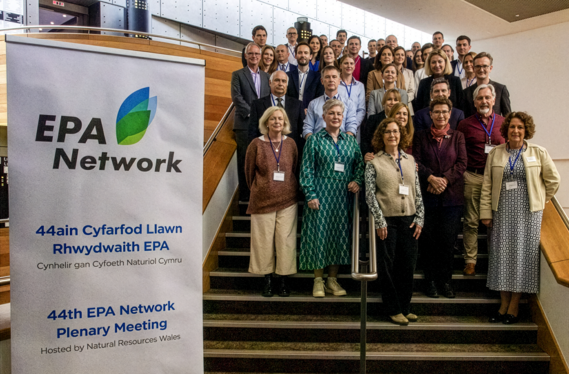 Earlier this month, we had the privilege of hosting the 44th plenary meeting of the EPA Network, a collaborative group made up of the heads of environmental protection agencies from across Europe.
Held at the Wales Millennium Centre on 15–16 October, the two-day event featured keynote speeches, interactive forums, and workshops focused on the theme of industrial legacy.
Delegates shared insights, explored common challenges, and discussed innovative approaches to environmental policy implementation.
The setting of Cardiff Bay - once the heart of Wales' coal-exporting industry and now a symbol of regeneration - provided a powerful backdrop for discussions on transformation and renewal.
We're grateful to all delegates for their valuable contributions and look forward to the next plenary meeting in Croatia.
To help guide our work on the Countryside Code and National Trails, a public-facing survey has been launched to gather evidence on how people engage with these areas.
This research will also help us understand what inspires people to use the outdoors and where they find their information.
The survey takes less than ten minutes to complete, all the questions are voluntary, and the answers are anonymous. It will close on 9 November.
This is a joint survey for Wales and England in collaboration with Natural England. It is in addition to the stakeholder survey that we ran in September.
If you use the outdoors for recreation, please help steer our future campaigns by taking part in the survey today.
|