|
Natural Resources Wales has confirmed that parts of Wales affected by drought this summer have now moved into recovery, following significant rainfall received this September.
Drought was previously declared for south-east Wales on 14 August 2025, and for north Wales on 29 August. South-west Wales moved into ‘prolonged dry weather’ status on 22 May, and now moves into ‘recovery from prolonged dry weather’ status.
As of 22 September, the long-term average rainfall for Wales ranged from 102% in Bethesda, north Gwynedd, to 212% in Sarn in the upper Severn catchment.
The majority of river flows are now normal or above normal for the time of the year, but some rivers are showing signs of a slower recovery and still remain low for the time of year.
Teams from NRW continue to monitor river flows closely, as well as groundwaters which respond to rainfall more slowly. Groundwaters remain an ongoing concern, with some still exceptionally low for the time of year.
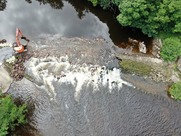
World Rivers Day, which took place on Sunday, September 28, is a global event which celebrates rivers around the world and the vital role they play in sustaining ecosystems, wildlife and communities.
Over the last five years our multi-million-pound LIFE Dee River and Four Rivers for LIFE projects have been tasked with restoring rivers in north and south Wales.
The River Dee in north Wales and the Teifi, Tywi, Cleddau and Usk rivers in south Wales, are currently in an unfavourable / poor condition as a result of multiple pressures such as climate change, habitat degradation, barriers to fish migration, poor water quality and invasive species.
Both projects have been working hard to protect and improve the condition of these rivers, and positive signs of recovery are already being seen. Using a range of solutions they hope to restore these delicate ecosystems and as a result improve water quality, enhance biodiversity and strengthen climate resilience.
|
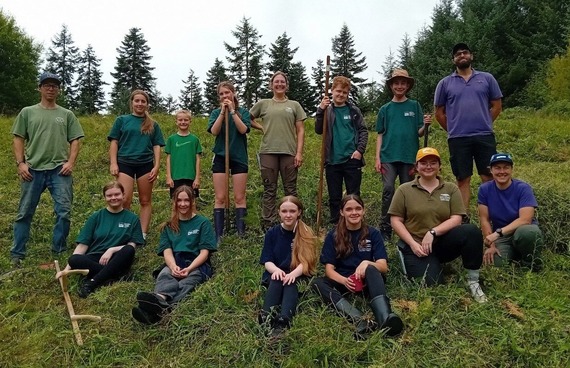 A group of Young Rangers from the Clwydian Range and Dee Valley National Landscape gave up a day of their summer holidays to lend a hand at Coed Nercwys, helping to cut and rake the wildflower meadow using traditional scything techniques.
Coed Nercwys, one of our forestry areas which is managed in partnership with the National Landscape team, has been carefully looked after for wildflowers over several years.
The results have been remarkable, with a steady increase in colour and plant diversity – a welcome sight for visitors, rangers, and pollinators alike.
Meadows like this benefit from being cut at the end of summer, allowing space for new seeds to grow and encouraging a wider range of plant life.
Leading the day was Phil Lewis from Smithy Farm, who taught the Young Rangers how to size and sharpen their scythes safely, and how to use them effectively.
He also explained why scything is often preferred over machinery – it’s quieter, fossil fuel-free, and gives wildlife a chance to escape.
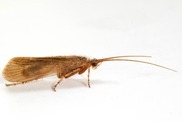
A species of caddisfly, thought to have been extinct in Britain since 2016, has been found during a species survey at Cors Goch, Anglesey.
Natur am Byth (NaB), Wales‘ flagship species recovery programme, conducted the survey in partnership with RSPB and North Wales Wildlife Trust to record the caddisfly species living on the wetland habitat.
Surveyors deployed light traps on the fens during July and August, specifically looking for one of the NaB target species, Limnephilus tauricus.
They were delighted to discover that the light traps had caught a species of caddisfly that is even rarer, Limnephilus pati.
Caddisfly experts confirmed the identification, making Cors Goch one of only 3 places in Britain where this species has been found since it was presumed extinct in 2016. The other sites being Market Weston Fen in Suffolk and Eochar, in South Uist, Scotland.
|
Along with the North Western Inshore Fisheries and Conservation Authority, we are inviting views from local communities, gatherers, and stakeholders as they prepare to apply for a new Regulating Order for the Dee Estuary cockle fishery.
The current Order, introduced in 2008 and due to expire in 2028, has helped transform the Dee Estuary into one of the most sustainable cockle fisheries in the UK.
The new Order aims to build on this success and ensure the fishery remains well-managed, resilient, and beneficial for people and nature alike.
The cross-border nature of the fishery presents additional challenges for effective management, coordination, and enforcement.
A new Order would establish the legal framework necessary to support sustainable harvesting practices, safeguard sensitive estuarine habitats, and ensure fair and equitable access for licensed gatherers across jurisdictions.
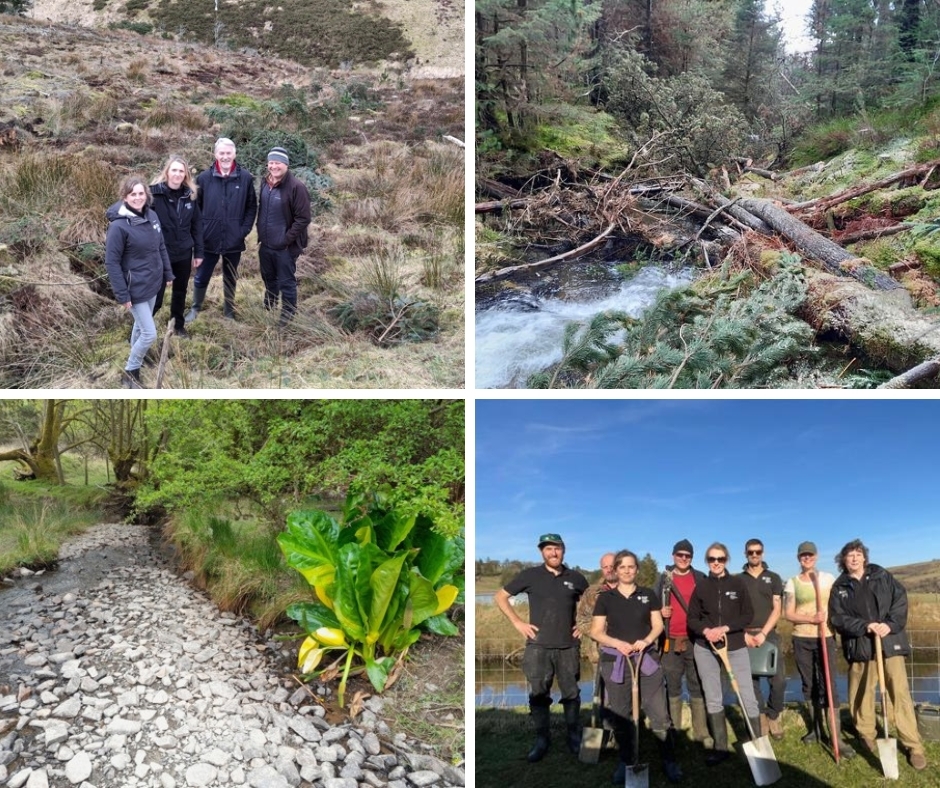 We have celebrated the first anniversary of the Upper Wye Catchment Restoration Project.
From tackling invasive species to planting 2,000 native trees, the project has brought together people, nature, and practical action to help restore the Upper River Wye and build resilience for the future.
The Upper Wye Catchment Restoration Project is part of our wider programme funded by Welsh Government’s Nature and Climate Emergency Fund.
It’s about protecting precious wildlife, restoring habitats, improving water quality, and making our rivers more resilient to climate change.
|