|
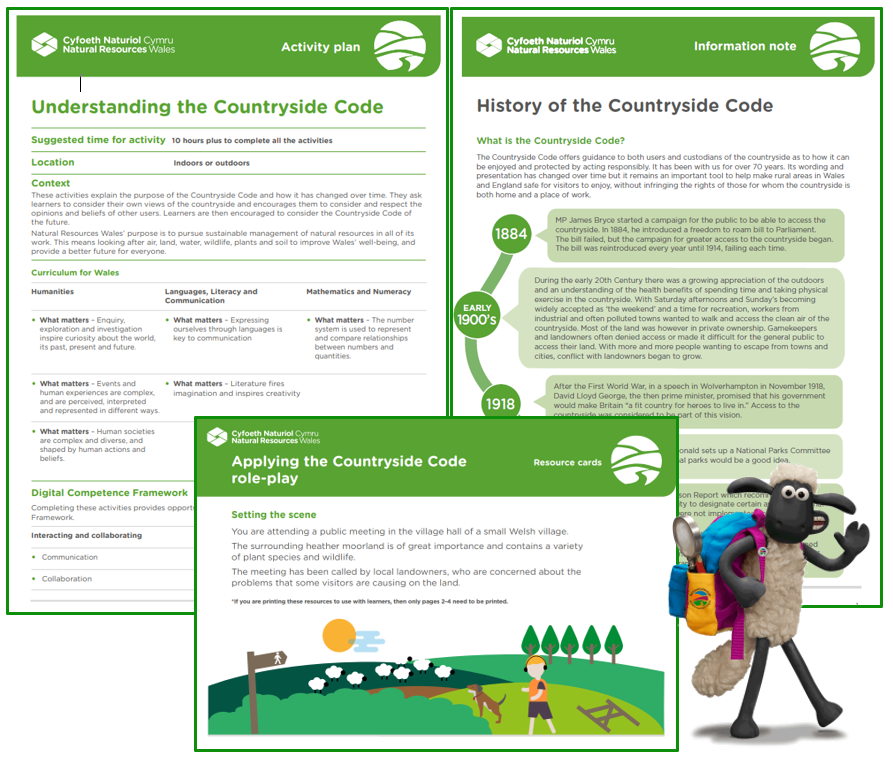 It’s good for us all to respect, protect and enjoy Wales’ natural environment. We invite your and your learners to check out our interactive Countryside Code resources to see how we can all help.
This new suite of resources shares several ideas to encourage your learners to investigate and research the history and purpose of the Countryside Code, to consider their own views of the countryside and to discuss how the Countryside Code might appear in the future. From activity plans, information notes, resource cards and teaching presentations, cross curricular in content and linked to the Curriculum for Wales these resources offer multiple opportunities to develop integral skills within the four purposes.
|
|
The Welsh Government has commissioned Natural Resources Wales (NRW) to evaluate the case for a new National Park in North East Wales based on the existing Clwydian Range and Dee Valley Area of Outstanding Natural Beauty (AONB). This would be a fourth National Park for Wales, and the first new such park to be established in Wales since 1957! Does Wales need another National Park? What would be the advantages and disadvantages? Do they agree with the proposed boundary map? A 10-week public consultation period on the proposal is running from the 7th October to the 16th December 2024.
What do your learners think? Why not encourage them to submit their views.
|
|
|

You might like to use some of the resources in this new online learning portal to help you discuss the pros and cons of the new National Park proposal. This portal offers cross-curricular activities and information about the Designated Landscapes of Wales which have been developed, piloted and co-produced by teachers and learners across Wales.
|
|
|
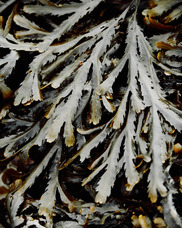
Can you and your learners help unlock the secrets of our seaweeds to track change on British seashores?
Seaweeds form the forests of the sea, providing shelter and food for thousands of marine animals. Seaweeds are also important for people, they provide a habitat for the fish we catch, are used in food, cosmetics, and medicines, and protect our coasts by reducing wave and storm damage. This economic as well as environmental value means it is important for us to monitor seaweeds so we can understand and sustainably manage them. The British Isles is globally important for seaweed diversity and is home to more than 650 species. You and your learners can take part in the Big Seaweed Search at any seashore in the UK, at any time of the year. Contribute to real scientific research from the Natural History Museum and the Marine Conservation Society by searching for 14 seaweed species.
|
|
|
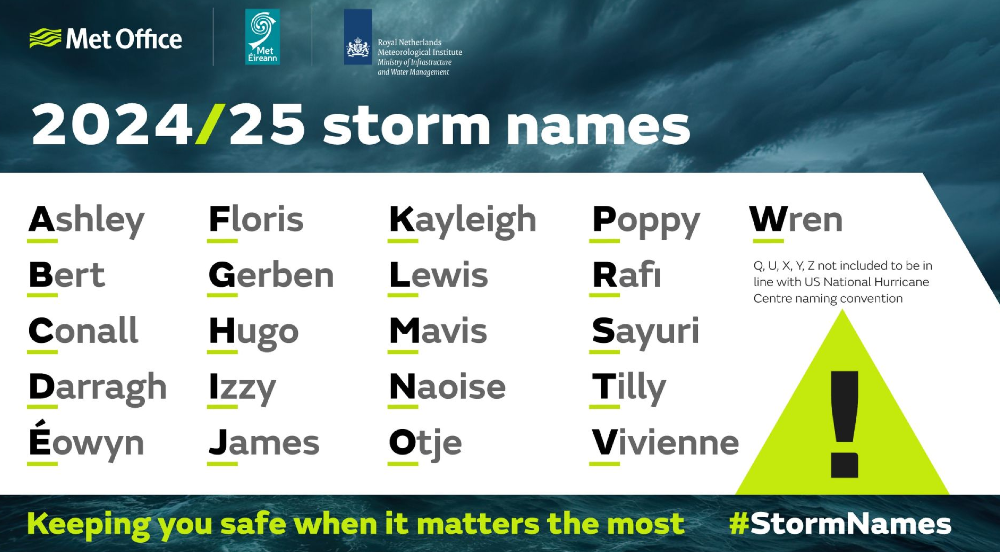 Every September, the Met Office issues a new list of storm names. The list runs from early September to late August the following year. This coincides with the start of autumn and the end of summer, the period during which we see the likelihood of low-pressure systems and the potential for named storms increase. Why not challenge your learners, can they investigate why storms are named? When is a storm named? How is a storm named? Do other countries around the world use a similar system?
Stormy Clarke? Storm Gwladys? What would your learners suggest as storm names?
|
|

Here’s a question for your learners – Can you actually smell the change of seasons?
How would they describe the scent of autumn? Earthy and damp with a hint of organic crispness and wood smoke?
As the weather cools and the days shorten, autumn’s signature smell comes largely from decaying plant material. As the leaves begin to be digested and decomposed by bacteria in the soil and the surrounding environment, they release organic molecules. With less moisture in the air, we are able to detect with our noses these organic smells.
Why not seize the season and take your learners outside to embrace the sights and smells of autumn. Can they capture the scent of the season in an autumnal poem or write instructions to create a batch of eau de la fall? For ideas, why not check out the activities and games shared on our Language and Literacy webpage?
|
|
|
From the 11th to 22nd November, Azerbaijan will host COP29 – the United Nations 29th annual global climate change conference. The main themes to be discussed include:
- Finance, Investment and Trade
- Energy
- Science, Technology and Innovation
- Human Capital, Health & Education
- Food, Agriculture and Water
- Transport and Tourism
- Nature and Biodiversity, Oceans and Coastal Zones
We must look towards finding a greener way to live and re-imagine how we use our natural resources to help tackle the climate and nature emergencies we face. Why not encourage your learners to engage and get ready for the debate and think about what they can do. Our hands on activities are available to support and encourage them to help take positive action.
|
|
|

Our Education, learning and play YouTube playlist offers a range of a short how-to videos to provide inspiration for some outdoor adventures.
Would you like regular outdoor learning updates and news? Why not follow the Outdoor Learning Wales X account or join the closed Facebook Group which both offer a platform to keep up to date, spread the word of ongoing projects and facilitate discussions with anyone with an interest in outdoor learning and environmental education in Wales.
You are receiving this newsletter because you have previously attended a training course run by NRW or have requested to join the NRW Education or Outdoor Learning Wales Network Group mailing lists. We hope you found it useful but if you wish to be removed, please respond using the ‘Unsubscribe’ option below.
Alternatively, if you’ve been forwarded this newsletter and would like to subscribe so you never miss an issue, sign up here.
|
|
|
|
|