|
|
During winter, storms from the Atlantic move across the UK and flooding is more likely to happen. The Met Office, Met Éireann and KNMI name storms when there's a risk of impacts to the UK, Ireland or the Netherlands. This is to help communicate the risk posed from these potential severe weather events.
This year we’ve experienced prolonged periods of dry weather and it has been the driest seven-month period on record. Although this means that some of our river levels are low, this does not mean flooding won’t happen as it can move from drought to flood very quickly. Many will remember here in Wales in 1976 when the drought ended with heavy rain and flooding.
When we forecast flooding in our 5 day flood risk, and issue flood warnings and alerts through our flood warning service, we consider ground conditions and the capacity of rivers alongside other factors such as rainfall amounts and intensities, confidence in the weather forecast and reviewing our models for different river catchments and stretches of coast.
Read more about how to prepare this coming winter at Wales facing a rising climate tide.
|
|
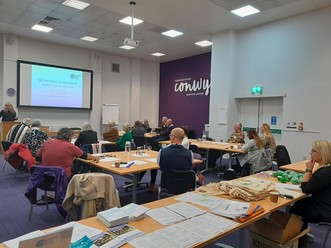
Thanks to everyone who attended a network event in Newport or Llandudno.
It was great to meet up again after a few years and meet some of you for the first time.
For those who couldn’t make it, there were presentations from:
- The National Flood Forum about property flood resilience and advice about finding the right products for yourself, as well as your property
- North Wales Local Resilience Forum about how responders work together to prepare for and respond to a range of different risks
- South Wales Mountain Rescue about their involvement during a flooding emergency
Please get in touch if you’d like a copy of one of these presentations.
There were also a number of representatives from:
- North Wales Councils Regional Emergency Planning Service
- Cardiff, Vale of Glamorgan, Neath Port Talbot, Newport, Caerphilly and Powys Councils
- South Wales Fire and Rescue Service
- Ogwen Valley Mountain Rescue Organisation
We’re hoping to arrange events in different parts of Wales and online in the future. We do appreciate that not everyone will be able to attend. So we’ll try and share as much content as possible from the events within future newsletters.
Thanks,
Kelly and Hannah
Email: befloodready@naturalresources.wales
Phone: 0300 065 4439 or 0300 065 4373
|
|
|
|
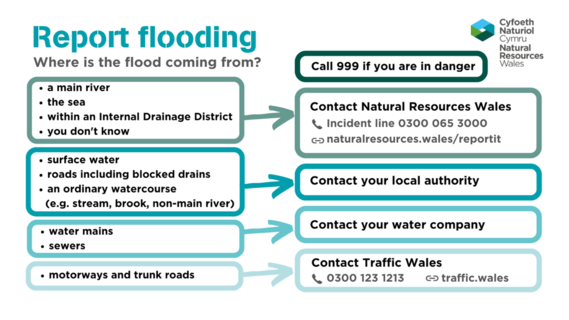
There are a number of organisations involved in managing and responding to flooding across Wales.
If you need to report a flood or risk of flooding, you should report the incident to:
Natural Resources Wales if it is from
Call 24/7 incident line 0300 065 3000 or report online at naturalresources.wales/reportit
your local authority if it is from
- surface water
- an ordinary watercourse (e.g. stream, brook, non-main river)
- roads including blocked drains
your water company if it is from
Traffic Wales if it is from
- motorways and trunk roads
Call 0300 123 1213 or report online at traffic.wales
|
|
|
Don’t wait for bad weather to think about what you would do if it happened to you.
Knowing what you would do if your property is about the flood can help you to take action in an emergency. Especially as flooding can happen really quickly. However, if the worst does happen, here is some advice about what to do if your property is about to flood or is already flooding.
- Get your flood kit.
- Prepare to move people and pets in your property to a safe place.
- Turn off gas, electricity, and water. Do not touch plugs and other sources of electricity when standing in flood water.
- Help stop water entering your property
- Put flood gates and other protection equipment in place.
- Check pumps and other permanently fixed protection equipment.
- Block water entering through doors and windows with pillowcases or plastic bags filled with soil or heavy objects.
- Cover airbricks and vents with plastic covers, cloths or towels.
- Block sinks, baths and toilets and weigh down with heavy objects.
- Unplug washing machines and dishwashers and disconnect them from the water supply.
- Block water inlet pipes with towels or cloths.
- Reduce damage if water does enter your property
- Move important, sentimental and valuable items to a higher place (upstairs, on top of furniture or shelves) or put in waterproof storage containers.
- Move rugs and lightweight items of furniture.
- Throw curtains over the rail out of reach of flood water.
- Lift items you can’t move with bricks or a pallet and cover the bottom with plastic.
- Empty and move contents from kitchen base units and other low storage cupboards, to worksurface level or higher if possible.
- Consider moving contents from your fridge or freezer to a higher place.
- Move your car to higher ground or outside the flood risk area.
- Move or weigh down any large or loose items outside or in your garden.
You can find more practical information and advice on how to prepare for flooding and what to do in a flood on our website. This includes a personal flood plan template for your home.
More information is also available from the 24/7 service Floodline.
Call: 0345 988 1188
Type talk: 0345 602 6340
There area also paper versions of advice that we can email or post out to you.
|
|
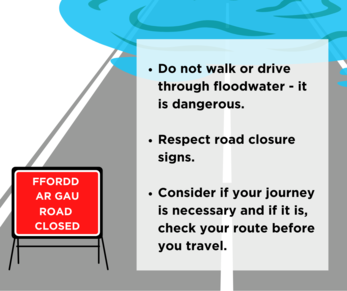
Fact: Driving through floodwater is extremely dangerous
You should never walk or drive through floodwater.
Turn around and find another route if a road is flooded, and respect road closure signs.
Driving through floodwater is not only dangerous for yourself, but it can also worsen the problems of flooding in area, as a vehicle driving pushes waves of floodwater towards buildings.
Plan ahead and check disruptions with:
-
local authorities for roads
-
Traffic Wales for motorways and trunk roads
Online at traffic.wales or call 0300 123 1213
-
Traveline Cymru for trains and buses
Online at traveline.cymru or call 0800 464 0000
The Met Office have shared advice from the experts at National Highways, RAC and the Institute of Advanced Motorists about driving in severe weather.
|
Fiction: A 1 in 100 year flood means that this type of flooding only happens every 100 years
A 1 in 100 year flood does not mean that we will only see this event every 100 years.
It is derived theoretically and means that the area has a chance of flooding of 1% in any one year.
We estimate flood risk based on the likelihood of flooding for an area, including the presence of any defences in an area.
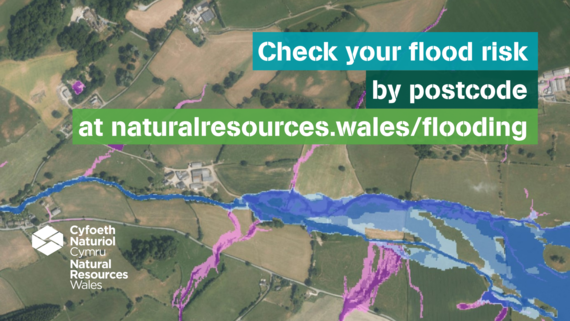
Check your flood risk online at naturalresources.wales/flooding
|
|
The Met Office
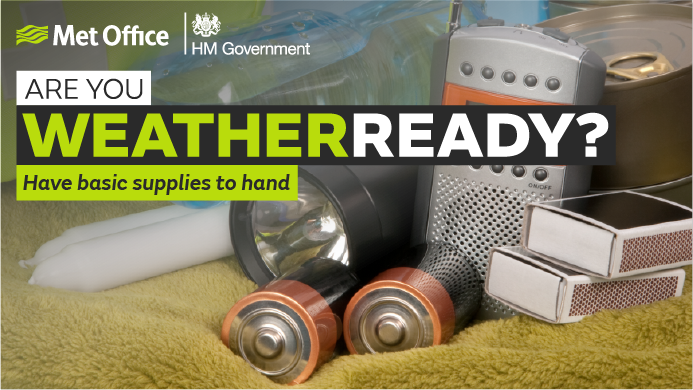
Getting #WeatherReady
As we head into winter, what can everyone do to prepare for and avoid being caught out by any severe weather that may happen?
In a recent study, conducted by the Met Office, 42% of people across the UK still say that they have been caught out by winter weather in the past, but there are many simple actions that can help people prepare for the colder months.
The impacts cited include not being able to leave the house or get to work in time, running out of crucial supplies, damage to fencing and blocked guttering or drains. Only 22% clear their gutters in preparation and only 7% of those surveyed mention checking their flood risk.
WeatherReady brings together expert advice from carefully selected partner organisations to help people prepare for an1d respond to the weather, so they not only stay safe, but are able to make the most of it. A wide range of advice articles can be found on the Met Office website, including top tips and advice on flood preparedness.
Find out more about what you can do to get yourself ready for the winter weather or join the conversation on social media using #WeatherReady
|
The Flood Hub
The Flood Hub provides information and advice for North West England, and have a useful tool to explore different measures that you can put in place to help protect your property from flooding Property Flood Resilience | The Flood Hub.
|
|
|
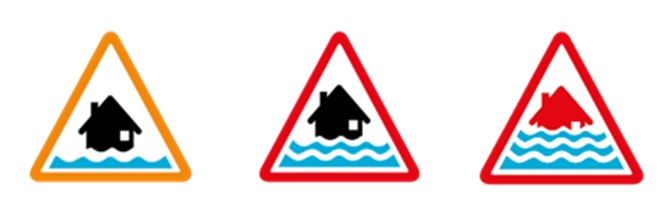
Give this short quiz a go to find out if you understand to check you understand our Flood Warning Service.
|
|
- What would you like to see in future issues of this newsletter?
- Is there something you’d like to know more about?
- Would you be willing to share your experiences of flooding or as a community volunteer?
- Get in touch if you missed any of our previous issues, and we can share them with you.
|
|
|
You can choose which language you’d like to receive our newsletter in. Click ‘manage my preferences’ in the subscription management options at the end of the newsletter, and you can choose between English, Welsh or both languages. If you haven’t chosen your preferred language, we will send you both versions.
NRW is not responsible for the content of other sites. We are providing this as a signpost to information, and not as a promotion of other organisations or companies. We believe the advice that they are sharing is helpful to everyone. Links to external sites may only have information available in English.
|
|
|
|
|