|
|
Welcome to Issue #12 of the New LIFE for Welsh Raised Bogs Project Newsletter. In this issue we will share project success stories with you and the work we're doing across Wales.
|
|

Major restoration work has taken place at Cors Caron this February and March, with the installation of a new sluice gate (see image left).
This is a major milestone for the LIFE Welsh Raised Bogs Project and the site itself, after several years of low water levels and concern from the public.
The new sluice is made of a 1.2metre wide pipe fitted with a stainless steel drop board sluice gate. This will make it possible to lower or raise the level of the water in the future by removing or adding boards to cover the pipe opening.
Visitors to the reserve will have noticed low water levels at the site over recent years. This is largely due to the impacts of the old broken sluice gate which had slowly deteriorated since it was first installed in 2005.
Jake White, LIFE Welsh Raised Bogs Project Manager, said: “We know from conversations we’ve had with visitors that there has been a lot of concern about the low water levels on the reserve. The work to repair the sluice gate will restore the water levels, helping to keep the peatland wet throughout the year, restoring peatland habitat as well as storing carbon.”
After the work takes place the LIFE project will continue to monitor the site’s recovery with the aim of making it more resilient and helping to store more carbon in the face of increased climate change pressures.
The visitor boardwalk has been closed during the work and is also being replaced, to find out more about this please read the press release in full.
|
|
|
|
Wales’ precious peatlands can now be seen on a new map that will track how the habitat recovers through conservation action over coming years.
Vital for storing vast amounts of carbon in the fight against climate change, peatlands also harbour a wealth of wildlife, help purify water and can reduce flood risk.
Responding to the climate and nature emergencies, the Wales Peatland Action Programme has ambitious targets for restoring Welsh peatlands.
Building on the work already done during the first two years of the programme, a new grant scheme opens this week with £100,000 available to individuals and organisations for peatland restoration projects.
Found here, the Peatlands of Wales Map is part of a new one-stop-shop Welsh Peatland Data Portal of information on many aspects of peatland conservation, managed by Natural Resources Wales (NRW).
It captures the extent and depth of Welsh peatlands, including information about how much carbon they store and an estimate of the carbon they release into the atmosphere when in a poor condition.
For more information about the National Action Peatland Programme please click this link.
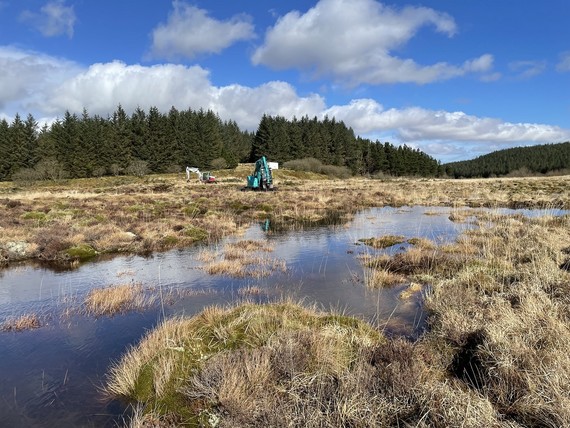
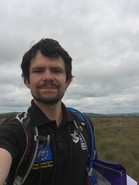
Congratulations to Jake White who has been promoted to Project Manager for the LIFE Welsh Raised Bogs Project.
Jake was previously Project Officer for the south sites, but has now stepped up into the role of Project Manager after Patrick Green left the project in February 2022.
Good luck from the whole team!
|
|
|
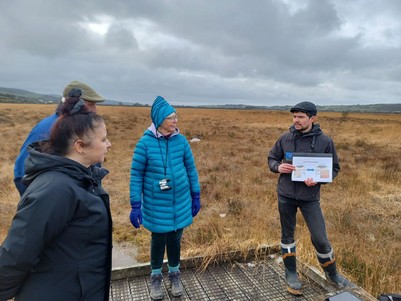
To mark World Wetlands Day on 2 February 2022 the LIFE Welsh Raised Bogs Project held a guided walk at Cors Caron National Nature Reserve.
Six visitors joined the walk on the day aimed at celebrating wetland sites and raising awareness of their importance.
World Wetlands Day is celebrated annually to mark the adoption of the Convention on Wetlands on 2 February 1971 in the Iranian city of Ramsar. Today the world’s most important wetlands are designated Ramsar sites.
Wales is home to many types of wetlands, including fens, raised bogs, grazing marshes, swamps, marshy grasslands and of course lakes, ponds and rivers. Wetlands are rare habitats; in many areas of the UK, we have lost over 90% of our wetland habitat.
Not only are they home to rare wildlife, but they also provide many of the things which society relies upon such as clean water, flood protection, carbon storage, and are also great places for people to enjoy the outdoors.
Thank you to everyone who turned up on the day, watch out for more walks and events this year as Covid19 restrictions ease.
Follow our Facebook and Twitter pages for updates about what's happening.
|
|
|
|
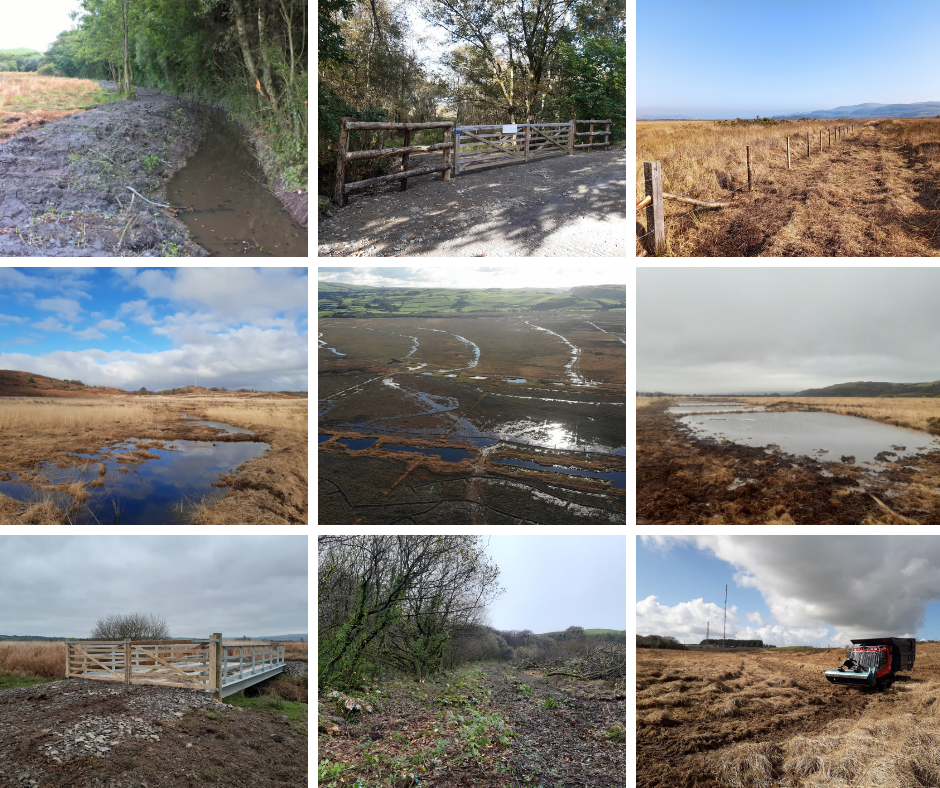
The team have been busy with restoration work this autumn / winter 2021/2022, and instead of listing what's been achieved, we thought we'd share some images with you instead.
So here is a collage of some of the main bits of work. You can find out more about all of this by going to our Facebook and Twitter pages.
|
|
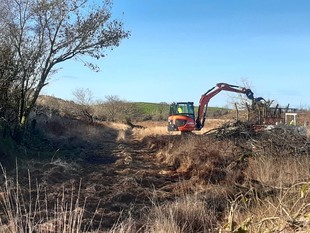
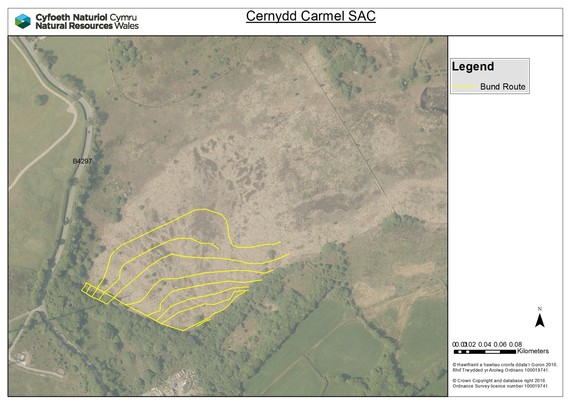
At the start of March restoration work started at Cernydd Carmel raised bog near Crosshands.
Excavators were on site during the whole month to complete restoration work planned for the site.
The contractors created 2091 metres of bunds (see yellow lines on the map below showing the bunds). The bunds (also know as low level banks of peat), will help to hold water on the raised bog, keeping it wetter for longer.
Contractors were also able to install 40 peat dams along 690 metres of ditches, and also removed 6.4 hectares of scrub from the edges of the site. Plans are in the pipeline to install a new fence line around the entire site in the future. This will allow appropriate grazing to be introduced to help better manage the vegetation on the site.
|
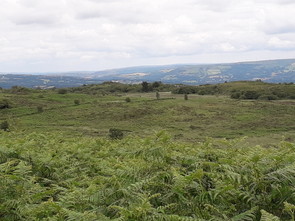
Professor Huw C. Davies is a retired environmental science expert and a part owner of Cernydd Carmel (see image left) – a LIFE Welsh Raised Bogs project site in South Wales.
Professor Davies’ research over the last 50 years has focused on the dynamics of weather-related flow phenomena, numerical weather prediction, atmospheric transport processes, and the linkage between weather systems and climate variability.
Read his guest blog here as he talks about the work happening at Cernydd Carmel and its importance in addressing the climate emergency.
|
|
|
Forward look:
- New drone footage of Cors Caron bunding work.
- Guest blog from the new National Peatland Action Programme.
- Spotlight on Esgyrn Bottom - forthcoming plans for the site next autumn / winter.
Keep up to date with our progress:
Remember you can follow us on Facebook, Twitter or Instagram for project updates.
|
|
|
|