|
£10,000 donation supports children at Tunbridge Wells Hospital
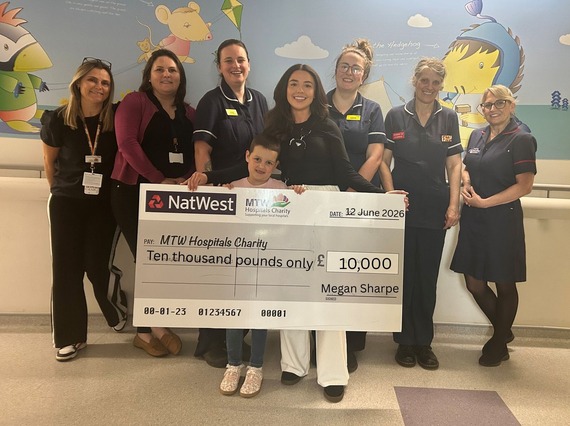 A family have climbed Ben Nevis and raised £10,000 to support families on Hedgehog Ward after their niece was diagnosed with leukaemia.
Bella was just six years old when she was taken to A&E last year after repeated chest infections and diagnosed with T-cell acute lymphoblastic leukaemia.
She is now one year into a two-year intensive treatment plan, and has been receiving chemotherapy, lumbar punctures and blood transfusions.
Bella has been cared for on Hedgehog Ward at Tunbridge Wells Hospital, and her family have described it as “a big part of our lives”.
They took on the incredible fundraising challenge for our dedicated MTW Hospitals Charity, climbing Ben Nevis to raise money to give back to the team who have cared for Bella and to buy toys and activities for the children who spend time on the ward.
|
|
Study helps patients with corneal wounds recover sooner
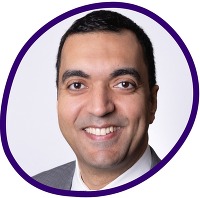
A new study by eye specialists at MTW has found a way to help patients with painful eye wounds recover more quickly and potentially avoid months of treatment.
The wounds, known as persistent epithelial defects, affect the clear front surface of the eye (the cornea) and can cause pain, blurred vision and, in severe cases, threaten sight.
Patients receiving conventional treatment were shown to need months of care and repeated follow up, often requiring multiple different therapies and procedures.
Authored by Consultant Ophthalmologist, Mr Mohamed Elalfy, and published alongside Queen Victoria Hospital NHS Foundation Trust, the study introduced a new approach, where clinicians apply a donated amniotic membrane to the surface of the eye using a specialist contact lens.
The dressing acts as temporary protective cover, helping the corneal surface to heal, and can be applied in an outpatient clinic without stitches or surgery.
The study found this approach led to improved outcomes for patients, with higher healing rates, shorter overall treatment duration and fewer appointments needed.
|
|
|
Transforming hospital visits for people with learning disabilities
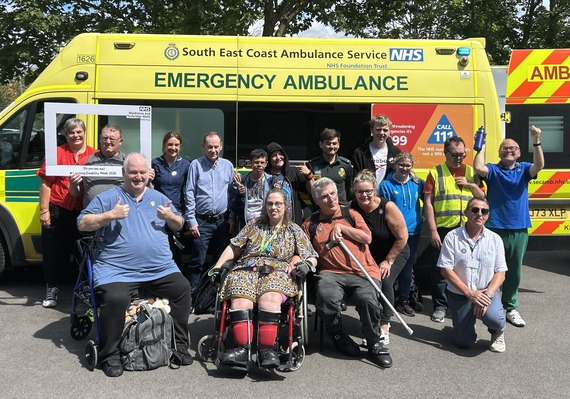 We recently welcomed a group of people with learning disabilities to Maidstone Hospital, giving them a reassuring insight into what might happen should they need to come into hospital.
The visit was organised in partnership with local learning disability charity Aspens, and gave the group a chance to enjoy a positive experience of being in a hospital.
They met with Ophthalmology and Breast Care teams to find out what they do, learn about the different uniforms people wear and see some of the equipment used.
Colleagues from the South East Coast Ambulance Service NHS Foundation Trust also took part in the event, with the group able to look around an ambulance and ask questions about what it's like to be a paramedic.
The visit benefitted all involved, giving our teams the opportunity to better understand what it’s like for patients with learning disabilities receiving care, and how best we can support them.
|
|
Anaesthetics rolls out smarter training
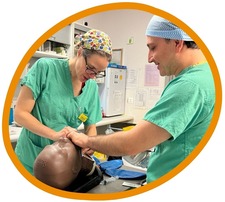
A new training approach at MTW is helping anaesthetic teams prepare for rare but life-threatening emergencies.
The innovative ‘tea‑trolley teaching’ model brings short, focused simulation sessions directly into the anaesthetic room by putting essential training on wheels. Instead of staff having to leave clinical areas or juggle schedules, the training comes to them - complete with airway manikins.
The tea‑trolley format allows teams to practice technical skills, decision‑making and communication in short, high‑impact bursts that fit seamlessly into the working day.
By making essential training convenient, accessible and engaging, the tea‑trolley model is strengthening patient safety while supporting busy clinical teams.
|
|
|
Healthcare scientists recognised with regional awards |
|
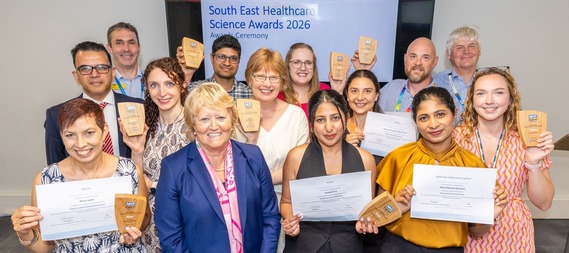 Healthcare scientists from the Trust have been recognised for their outstanding contribution to patient care, education, innovation and service improvement at the South East Regional Healthcare Science Awards.
Healthcare scientists cover over 50 scientific specialisms, including pathology, medical physics and clinical engineering, and their work underpins 80% of all diagnoses.
The awards celebrated the achievements of healthcare scientists from across the south east region, which spans 31 NHS trusts.
Sandra Hobden, Head Biomedical Scientist for Microbiology; Joanna Sillars, Radiation Physics Education and Training Lead; Aswathi PK, Audiologist; and Wendy Bonnert, Head Biomedical Scientist for Blood Transfusion, scooped awards across four categories for their contributions in developing and improving services to provide outstanding patient care.
|
|
Serving in the NHS and military
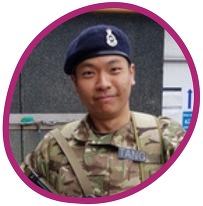
Armed Forces week in June was the chance to recognise the many staff who are part of the armed forces community – including veterans, reservists, cadet force adult volunteers and those who support family members in service.
As part of the celebrations, Paediatric Orthopaedic Surgeon, Mr Chun Tang, shared his experiences of serving as an accredited orthopaedic consultant in the Army Reserves, which he does in his spare time.
Based with 217 Squadron, one of the medical regiments in the British Army, the competencies required range from skills he is very familiar with, like basic life support, to the more unusual, like passing an annual weapons handling test.
Mr Tang shared some of the training challenges he has encountered so far, including simulations of various battlefield disasters and medical emergencies, and described his time in the military as “thoroughly fulfilling”.
|
|
|
Spotlight on the Patient Access team
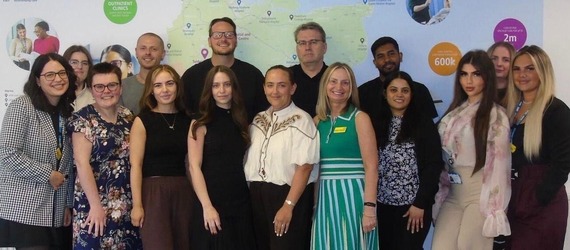 When it comes to improving waiting times and helping patients access care more quickly, our Patient Access team work hard behind the scenes to deliver real results.
The team track every patient’s journey from referral through to treatment. In the NHS, this is known as the Referral to Treatment pathway, which measures how long it takes for a patient to move from referral, usually by their GP, to receiving the care they need.
The team play an important but often unseen role in helping patients move safely and more quickly through the healthcare system.
A key part of their role is reviewing and managing waiting lists to make sure patient records remain accurate and up to date while people wait for treatment. Alongside this, the team review referrals to make sure patients are directed to the most appropriate service first.
They are also supporting the expansion of patient-initiated follow up (PIFU). PIFU gives patients greater control over their follow-up care by enabling them to request specialist appointments when they feel they need them, rather than attending routine appointments that may not be necessary.
|
|
|
|
|