I am often asked what we are doing to tackle the problem of homelessness and the rough sleepers that residents encounter particularly in our town centres. We have been working very hard on ways to address this complex but important issue and are now holding a public consultation.
I would encourage you to share your view on our plans to end homelessness in Havering. See below for more details.
Finally, look out for some exciting news next week regarding a new partnership between Havering Council and the Metropolitan Police designed to increase the police presence in our local communities.
Cllr Damian White
Leader, Havering Council
|
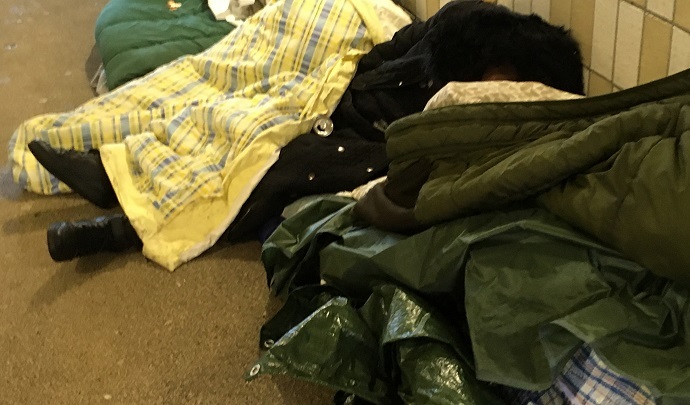 Residents are being asked to comment on plans to prevent homelessness and make Havering a place where nobody needs to sleep rough.
Havering Council has set out its draft Homelessness Prevention and Rough Sleeper Strategy, which includes new plans on how to tackle rough sleeping over the next five years. This includes early intervention, improved partnership working, supporting vulnerable residents and increasing the supply of affordable housing.
The consultation is open until 10 February.

Make sure you are prepared for winter.
Follow our twitter feed @LBofHavering for up-to-date information on ice alerts, the latest weather forecasts and when we will be out gritting.
|
Save money on your Council Tax for 2020/2.
More than 3,000 households in Havering pay their Council Tax in full before 1 April each year and get 1.5 per cent off their Council Tax bill. This could be you.
Look out for your Council Tax bill in March 2020, pay the amount in full online by 1 April 2020 and the Council will refund you 1.5 percent.
|
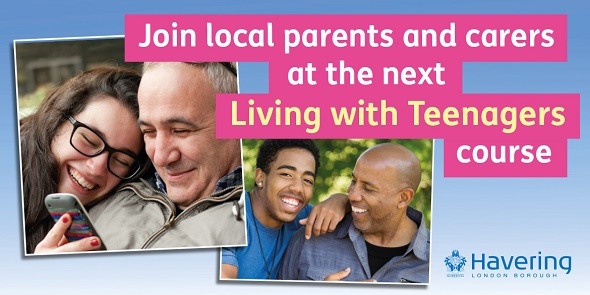
If you’re the parent of a teenage child and need a few tips, come along to the Council’s new eight week parenting course.
The Council is launching Living with Teenagers, a new free course, which will provide parents with children aged 11-16 years with practical tips to deal with issues such as challenging behaviour, handling emotions and protecting them from risk.
Starting on 20 January, it will be partly run by parent volunteers, who will have the opportunity to gain an accredited certificate, and parents also receive a certificate for attending.
|

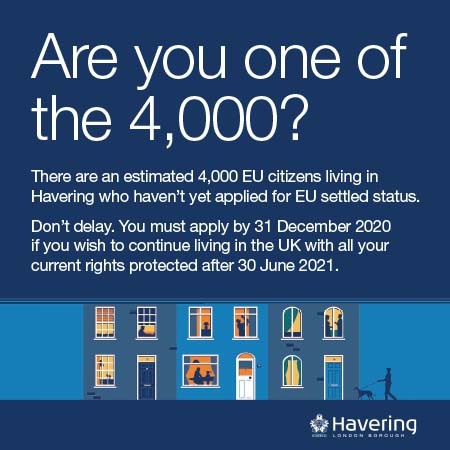
Children of non-UK EU citizens do not automatically qualify for British citizenship just because they were born in the UK or Ireland.
Parents, legal guardians and those with any responsibility for a child/children may need to take action to ensure they secure the rights of those children to live in the UK following the UK's exit from the European Union, by applying to the EU Settlement Scheme.
Children, or their parent/guardian, can apply if:
• The child is an EU, EEA or Swiss citizen; or
• The parent or guardian – or their spouse, or civil partner – is an EU, EEA or Swiss citizen.
Children who already hold British or Irish citizenship do not need to apply under the EU Settlement Scheme.
|

An East London based organisation, Action On Blood, is among 26 faith and community-based organisations to have secured funding from the NHS to educate communities about donation after death.
The scheme is part of a Government-funded campaign to address the critical shortage of organ donors from black, Asian, mixed race and minority ethnic backgrounds.
Action on Blood will use the funding to train five hair stylists and barbers in black
hair salons across Essex and London as ambassadors so they can discuss organ
donation with their customers and encourage them to talk to their families.
From the spring of this year all adults in England will be considered as having agreed to donate their organs when they die unless they record a decision not to donate, known as ‘opt out’, or are in one of the groups not covered by the new law.
|
|