 This newsletter aims to update and inform people about the Herefordshire Natural Flood Management (NFM) project which is being delivered by Herefordshire Council within seven priority sub-catchments.
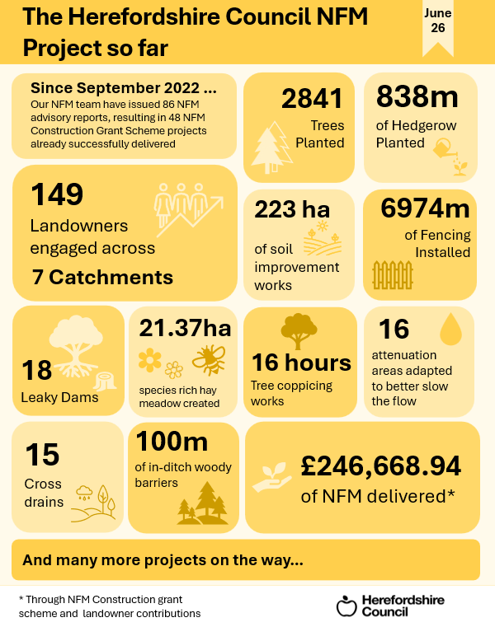
As a project, we feel it's important to showcase the hard work that our catchment advisors and engaged landowners have been carrying out, creating a landscape which slows and stores water. Below is a summary of the Natural Flood Management works delivered through the project since its launch in 2022, as of June 2026.
June 2026 Summary of NFM works delivered
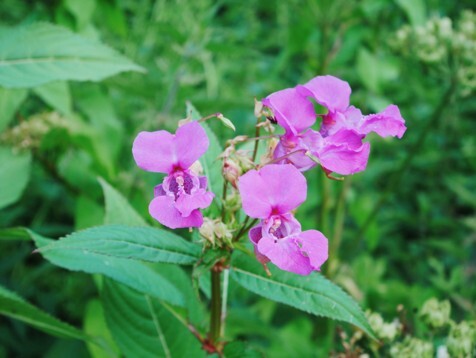
Himalayan balsam (Photo - Herefordshire NFM Team)
Invasive non-native species (INNS) can prove detrimental to our ecosystems, outcompeting native species for light and nutrients. Whilst most of the UK's non-native species are harmless to native wildlife, around 300 are classified as INNS. These species often lack natural predators or controls, allowing them to spread rapidly and outcompete native plants and animals. As a result, they can cause significant ecological damage and economic costs.
Maintaining good biosecurity is the most effective way to reduce the risk of spreading INNS. This involves identifying potential hazards, maintaining consistent hygiene and sanitation practices and ensuring that both external and internal risks are either excluded or effectively contained. You can learn more about biosecurity on the Gov.UK webpage.
Below are two frequently identified invasive species along watercourses and how to manage them.
Himalayan balsam
Himalayan balsam (Impatiens glandulifera) can be identified by its pink, helmet-shaped flowers which grow to around 2-3m tall and can be found along watercourses and in damp soils. Like many ornamental plants, Himalayan balsam was introduced to the UK during the 1800s but has since become known as a widespread invasive species.
These fast-growing annuals outcompete native plant species, germinating during early spring and flowering from June to October, during which the sensitive seed pods will explode sending seeds flying as far as 7 meters!
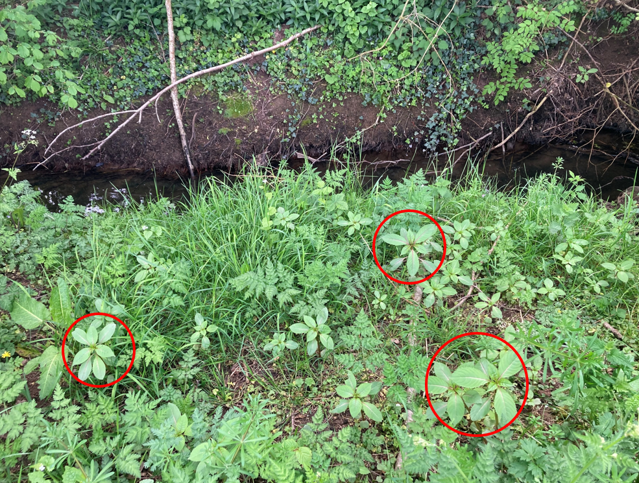 Young Himalayan balsam growing beside a river bank near Leominster (Photo: Jonny Pugh, Wye and Usk Foundation)
After they have died back, they leave the ground exposed to the wet autumn and winter conditions, making the riverbanks highly susceptible to erosion. The higher levels of sediment transportation can significantly increase downstream flood risk.
The Royal Horticultural Society suggests that to eradicate Himalayan balsam you should:
- Hand-pull stems before they flower, ensuring you pull as close to the ground as possible to include the roots. If you can’t get to the roots, use a fork.
- Cover the soil with mulch or cardboard in late winter to smother seedlings
- Cut or mow the area regularly
You can also hire a specialist to remove the weed.
It’s important to note that these plants should be destroyed in-situ and not composted or put in the usual garden waste bin, to avoid the spread.
Giant hogweed
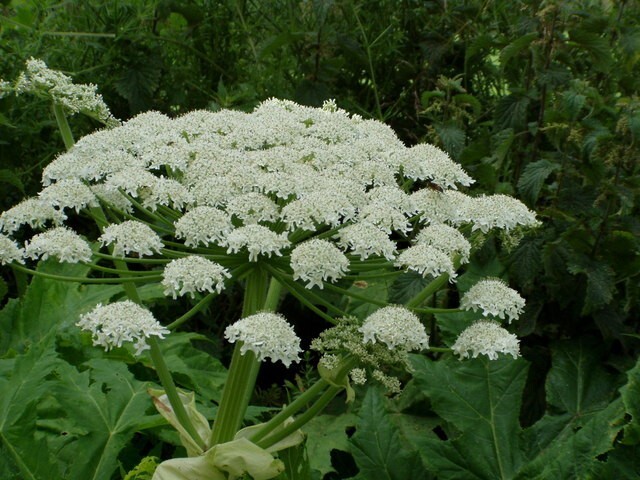
Just like Himalayan balsam, Giant hogweed (Heracleum mantegazzianum) is another invasive species found along our watercourses and is the much taller, toxic relative of our native species Cow parsley. Giant hogweed was also introduced to the UK as an ornamental plant in the 19th century and has since become widespread. These thick stemmed plants with umbrella-like flowers have been frequently spotted along the River Wye in Herefordshire.
Giant hogweed by Henry Clark is licensed under CC BY-SA
If you encounter Giant hogweed in your garden, on your farm, or in the wild, do not touch it! Its sap contains toxins that can cause severe blistering and long-lasting skin pigmentation, and it may also be harmful to animals. If you come into contact with this species, wash the affected area immediately and stay out of the sun.
Because of the harmful effects of handling Giant hogweed, it is recommended that a specialist weed removal company should be contracted rather than removing the plant yourself. They can ensure that the weed is removed and disposed of safely to reduce the risk of spread.
Further guidance can be found on the Royal Horticultural Society webpage.
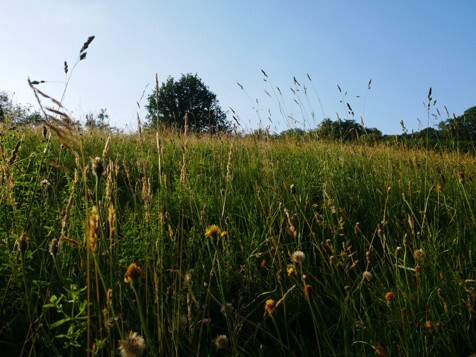
Meadow habitat (Photo – Herefordshire NFM Team)
We are now well into summer, and our parks, gardens and open spaces are alive with wildlife. It is also a key time in the farming calendar, with haymaking, silage collection and cereal harvesting taking place across the countryside.
Yet alongside these seasonal activities, our climate is changing. Summers are becoming warmer and heatwaves like the one experienced at the end of June are likely to occur more frequently. As temperatures rise, our ecosystems face increasing stress, with many species and habitats struggling to adapt to these changing conditions.
However, there are many things that you can do over the summer months to help your local wildlife either on your farm or in your garden…
- Make sure water sources are topped up. Whether it’s your pond, bird bath or a shallow saucer for insects, wildlife relies on water sources in the warm weather. It’s important that bird baths are cleaned daily to reduce the risk of spreading disease.
- Plant bird-friendly plants to provide natural food sources for birds such as sunflowers or ivy.
- Leave out small amounts of cat or dog food (or specially made hedgehog food) for hedgehogs. These nocturnal mammals are currently on Britains red list of mammals and are at risk of extinction. You can also help hedgehogs move between gardens by leaving small gaps in fences for them to climb through.
- Create areas of shade for animals to stay cool. This can be a small pile of logs or rocks or leaving areas of taller grass.
- Deadheading flowers creates a good continuous source of nectar for bees and other insects.
- Flowers such as poppies and oxeye daisies provide plenty of nectar throughout the summer.
- Don’t use disposable BBQs on commons, nature reserves or anywhere with dry grass. This poses a major fire risk!
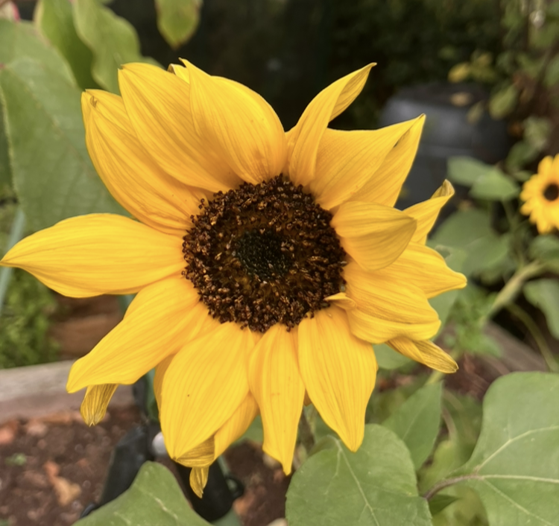 |
Sunflowers provide food for a wide range of species from insects to birds (Photo – Herefordshire NFM Team)
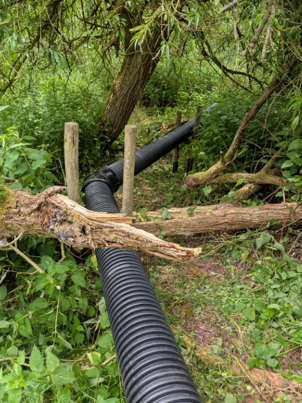
Bodenham catchment – 16m of pipework installed to redirect runoff from an arable field into adjacent riparian woodland, reducing sediment delivery to the watercourse.
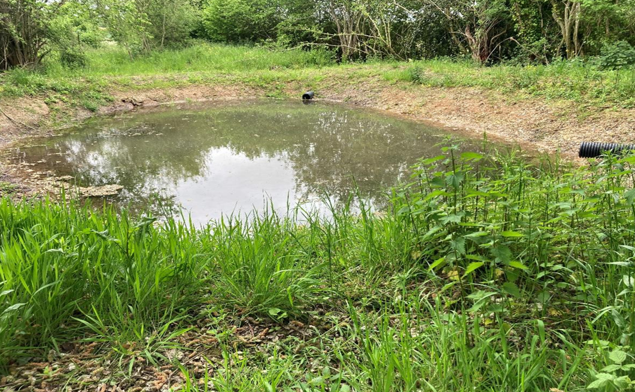
Cheaton, Cogwell and Ridgemoor catchment – One of three ponds created at this farm totalling 261m2 of attenuation.
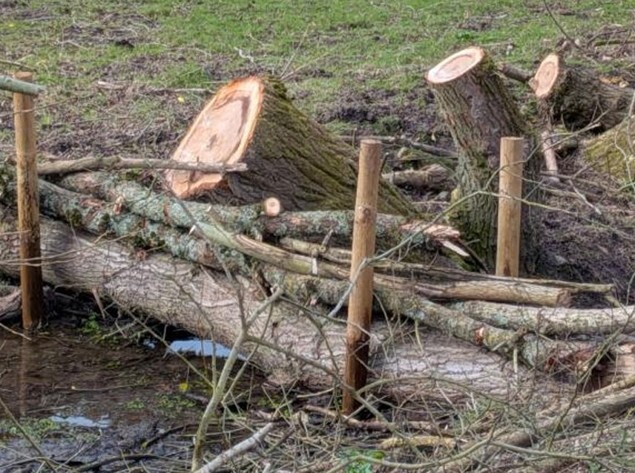
Pentaloe catchment – Large leaky dam in ephemeral dingle to reduce peak flood flow and erosion.
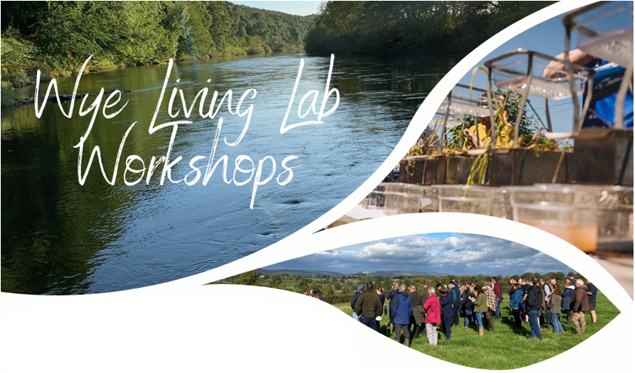 Your River, Your Research - Help Shape the Wye Living Labs Programme
We're inviting farmers, landowners, and anyone with an interest in the Wye Catchment and its rivers to join our co-design workshops this summer. Funded by Defra and supported by the Welsh Government this new research programme, led by researchers at UWE, Bristol and the Herefordshire Rural Hub, is testing practical, on-farm solutions to nutrient loss in the Wye catchment - and we need your experience and knowledge to get it right.
These informal workshops will help decide which interventions to trial and where. Farmer participants will receive renumeration for their time. Bilingual sessions available.
Monday 27 July, 12-4pm, Weobley Village Hall, HR4 8SN (registration closes 15th July)
To register your interest, complete our registration form: Gweithdai Labordy Byw Gwy - Wye Catchment Living Labs workshops – Fill in form
or contact Herefordshire Rural Hub: bookings@herefordshireruralhub.co.uk
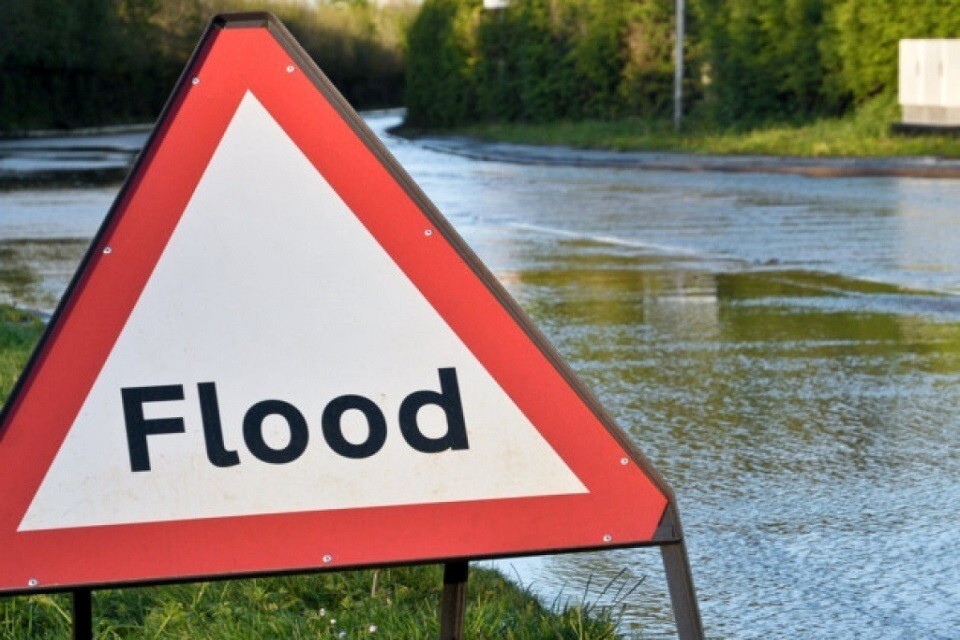
The Get flood warnings service on GOV.UK website offers a simpler, more flexible way to manage alerts.
Users now log in with a one-time passcode instead of a password and can register up to 15 locations and multiple contacts for email, text, or phone notifications.
It includes interactive maps, clearer warning descriptions, and automatic ‘all clear’ messages when alerts end. You can also tailor which contacts receive flood alerts or warnings and add locations within 500m of a warning area.
If you’ve previously signed up to the old service, your details will have been migrated automatically, so there’s nothing you need to do. But it’s worth checking your account to confirm your locations and preferences.
Get free tailored NFM Advice
Catchment Advisors from the Wye and Usk Foundation and Severn Rivers Trust are available to give free tailored advice about the NFM opportunities on your land. The advisors are also able to advise and support you in securing funding to deliver the recommended NFM opportunities.
If you'd like to get some advice or find out more, please email: nfm@herefordshire.gov.uk
|
Get funding to deliver NFM
The Herefordshire NFM Construction Grant Scheme offers financial support to landowners within the seven NFM Catchment areas to deliver NFM measures on their land.
Apply now to get funding for NFM projects containing any of the measures detailed in the table below.
|
Key contacts:
|