 This newsletter aims to update and inform people about the Herefordshire Natural Flood Management (NFM) project which is being delivered by Herefordshire Council within seven priority sub-catchments.
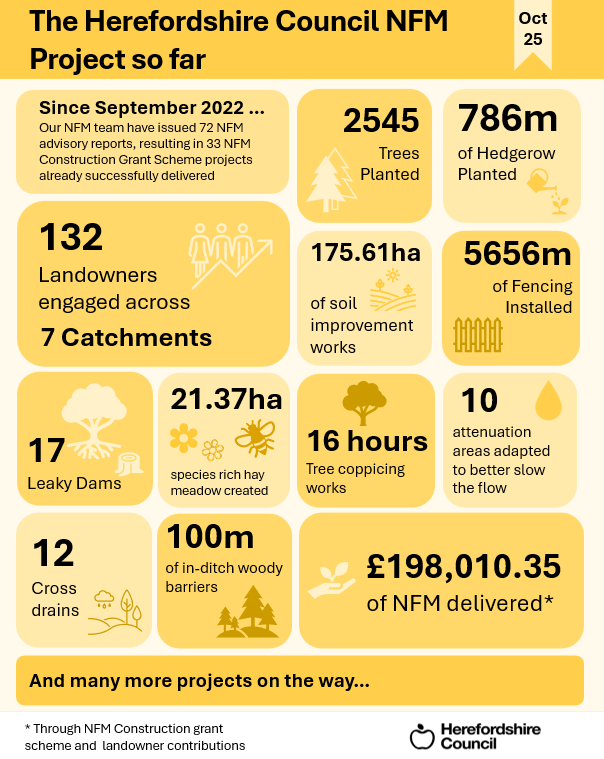
As a project, we feel it's important to showcase the hard work that our catchment advisors and engaged landowners have been carrying out, creating a landscape which slows and stores water. Below is our October summary of Natural Flood Management works implemented since the project's launch in 2022.
October 2025 Summary of NFM works delivered
The NFM team visited Cannop in the Forest of Dean, where 25 sections of watercourses, spanning a total of 74km, are being enhanced to support biodiversity and improve flood resilience. This scheme, led by Gloucestershire County Council in partnership with Forestry England, aims to reduce flood risk to downstream communities.
Already well underway, the project will involve the planting of 40,000 native tree species, the creation of 8 hectares of wetland creation and the installation of 5000 leaky dams.
 |
|
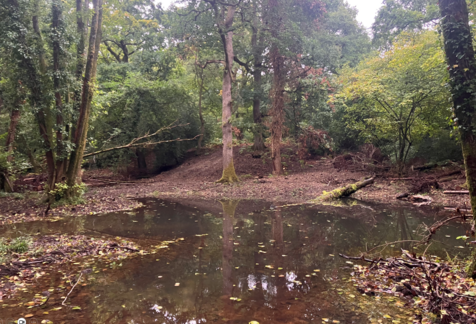
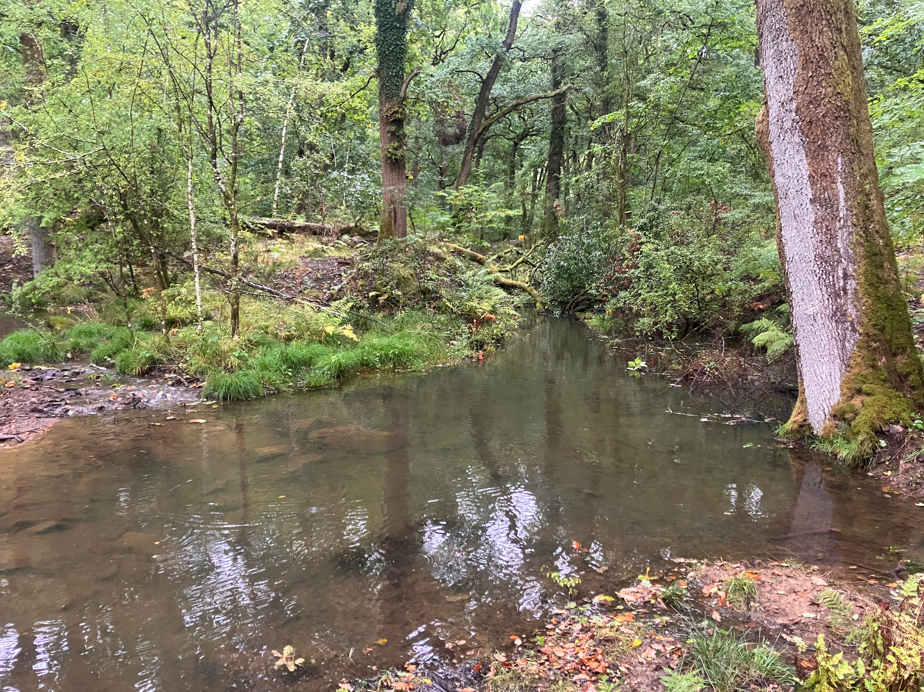
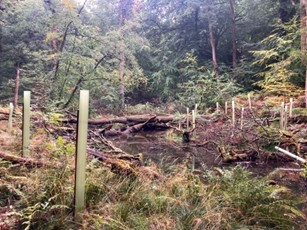
Joe Baker from Gloucestershire County Council led the group along one of the many stretches of watercourse, showcasing the recent leaky dam installations and reprofiled channels designed to reconnect the floodplain and slow the flow of water. This will result in the creation of a diverse wet woodland habitat. |
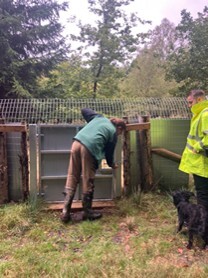
One highlight of the visit was the opportunity to go inside the Perry Hay beaver enclosure. Released in May 2024, the pair have since been very hard at work creating dams within their 12ha enclosure, nestled in the woods not far from the Colliers trail. The pair have already had 2 kits!
 |
|
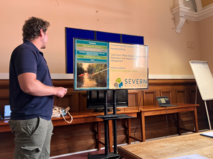
On Saturday 6th September, the Herefordshire Council Natural Flood Management (NFM) team hosted an environmental careers talk as part of Herefordshire Wildlife Trust’s Day of Action 2025. This event was one of many held across the county to raise awareness of climate change, the health of our rivers and promoting sustainability. |
The session explored the wide range of pathways into the environmental sector, including internships, university degrees, apprenticeships, and the many volunteering opportunities available both nationally and within Herefordshire. Alongside the NFM team sharing their own experiences of working with nature-based solutions, guest speakers Jacob Loughran and Julia Morton, from Severn Rivers Trust and Herefordshire Wildlife Trust, also offered valuable insights into their career journeys and current roles.
By holding this event, the NFM team hope to inspire more people to consider careers that make a positive impact on both people and the planet.
What are riparian zones?
Riparian zones are vegetated areas adjacent to waterbodies. They interact with both terrestrial and aquatic ecosystems. Natural riparian zones support high biodiversity and are rich in water-loving trees such as Willow, Birch and Alder as well as wildflowers such as Meadowsweet and various species of water-loving Orchids.
Riparian zones and NFM
Riparian zones are an integral part of nature-based flood management, they:
- Slow overland flow during heavy rainfall, helping to reduce flood peaks, while also trapping sediment and pollution runoff from fields.
- Stabilise riverbanks through diverse root systems that anchor and bind soil particles, providing protection against water and wind erosion. Healthier soils also contain air pockets throughout the soil profile, which enhance infiltration.
Biodiversity benefits of riparian zones
A healthy riparian zone typically includes:
Canopy cover - Provides shade while allowing some sunlight to filter through, helping maintain optimal water temperatures and reducing algal and weed growth.
Fallen woody debris - Creates heterogeneity within the river channel. Logs, branches and sticks create shelter, trap organic material, and provide habitats for fish and insects.
Some exposed coarse sediment - Natural levels of exposed sediment create safe spawning areas for fish and invertebrates. Excess fine sediment reduces oxygen availability and can negatively affect reproduction.
Organic material - Supports plant growth and provides a food source for insects.
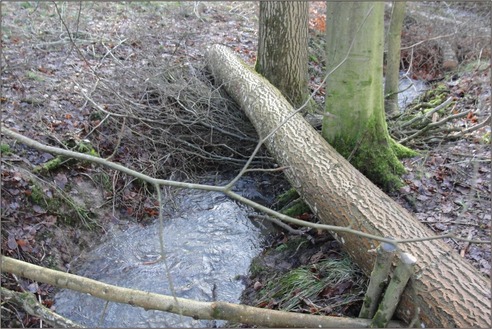
Naturally pinned leaky dam - Pilot project
How can we improve the resilience of riparian zones?
As temperatures rise and droughts and flooding become more frequent, the importance of maintaining and improving our riparian zones is more critical than ever.
To help ensure our riparian zones are resilient to a warming climate, we should:
- Restrict or limit livestock access to watercourses
- Plant native tree species
- Remove invasive species such as Himalayan balsam, floating pennywort, and Japanese knotweed before they outcompete native species.
-
Mulch and cover your soil to protect it from erosion and suppress weed growth
-
Check your tree guards and fences and repair any damages.
-
Bare-root planting of hardy native tree species during early winter such as alder, silver birch, and oak.
-
Prune trees and shrubs using clean, sharp tools. Leave some plants unpruned to provide shelter and food for small animals.
-
Test your Soil. Winter is a great time to check your soil’s structure and nutrient levels.
See our Spring Newsletter for soil tests you can conduct easily on your farm or in your garden.
|
|
 |
Wildlife considerations for your garden or farm during winter:
 |
|
- Ensure a source of unfrozen and clean water for birds and other animals. If you have a bird bath, keep it topped up and cleaned regularly.
- Provide birds with a source of high-energy food, such as suet or fat balls and sunflower seeds.
- Check bonfires for hibernating animals before lighting.
- Keep some areas of the garden uncleared and create piles of logs and leaves for hibernating wildlife.
|
The new Get flood warnings service on GOV.UK website offers a simpler, more flexible way to manage alerts.
Users now log in with a one-time passcode instead of a password and can register up to 15 locations and multiple contacts for email, text, or phone notifications.
It includes interactive maps, clearer warning descriptions, and automatic ‘all clear’ messages when alerts end. You can also tailor which contacts receive flood alerts or warnings and add locations within 500m of a warning area.
If you’ve previously signed up to the old service, your details will have been migrated automatically, so there’s nothing you need to do. But it’s worth checking your account to confirm your locations and preferences.
Get free tailored NFM Advice
Catchment Advisors from the Wye and Usk Foundation and Severn Rivers Trust are available to give free tailored advice about the NFM opportunities on your land. The advisors are also able to advise and support you in securing funding to deliver the recommended NFM opportunities.
If you'd like to get some advice or find out more, please email: nfm@herefordshire.gov.uk
|
Get funding to deliver NFM
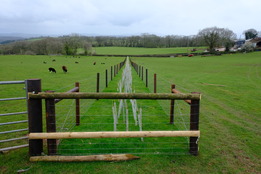
The Herefordshire NFM Construction Grant Scheme offers financial support to landowners within the seven NFM Catchment areas to deliver NFM measures on their land.
Apply now to get funding for NFM projects containing any of the measures detailed in the table below.
|
Key contacts:
|