|
 Welcome to the third edition of our Recycling Newsletter. Each month we will provide you with hints and tips on how to waste less, and recycle right.
|
|
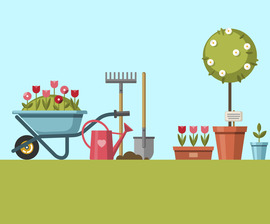
National Gardening Day was on Sunday 14 April! A day created to encourage gardeners to warm up their green thumbs and get planting and preparing for the summer!
|
|
-
Any biodegradable waste from gardening activities at the property, including grass cuttings, hedge cuttings, small branches, leaves, weeds, real Christmas trees (cut down to fit within the bin), prunings, waste fruit and vegetables grown directly within the property’s garden.
|
-
Soil, concrete, rubble, treated wood, vegetable peelings, food scraps, coal, ash, animal waste, commercial waste, general household waste and any other waste which is not household garden waste.
- Waste must not be put in plastic, biodegradable or compostable sacks. The bin will not be collected if it contains incorrect items. Please remove these items and re-present the bin on your next scheduled collection day.
|
|
Monday 22 April is Earth Day! The theme for this year’s Earth Day is Planet vs. Plastics. Earthday.org calls to advocate widespread awareness on the health risk of plastics, demanding a 60% reduction in the production of all plastics by 2040.
|
|
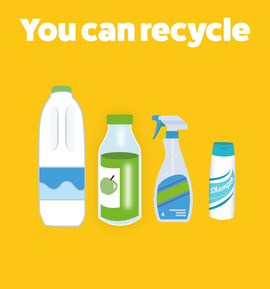
Don’t forget - you can recycle the following plastic items:
- food and drink bottles (e.g., milk, cooking oil, squash and fizzy drinks).
- detergent bottles (e.g., washing up liquid, cleaning fluids, bleach and fabric softener).
- toiletries (e.g., shampoo, shower gel and liquid soap).
- spray bottles with the spray gun left on.
- plastic bottle tops.
For plastic bottles that have pump dispensers, you cannot recycle the pump dispenser - only recycle the bottle.
|
|
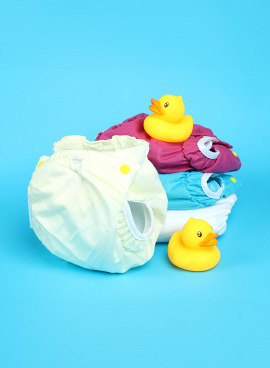
22 – 28 April is Reusable Nappy Week. What are the benefits of using reusable nappies?
- Made of breathable soft natural fabrics, which are absorbent, and gentle on baby’s skin.
-
Reduces waste and reliance on single-use plastics.
-
Reduces the carbon footprint of nappy usage by 40%
-
Saves money!
|
|
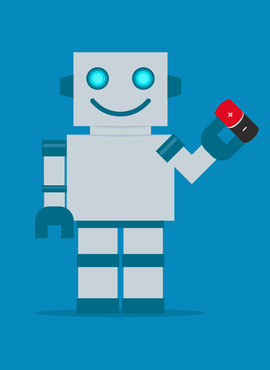
Anything that requires batteries or a plug to operate is classified as Waste Electronic or Electrical Equipment (WEEE) and cannot be disposed of through household waste collections.
All large battery retailers are obliged to take back used household batteries for recycling.
There is more information on safe battery disposal at the Take Charge campaign website.
|
|
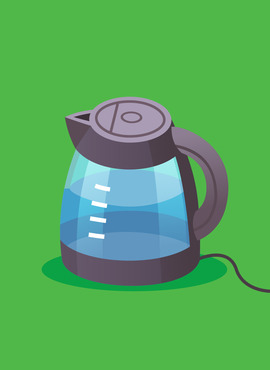
All household electronic and electrical items can be recycled at a Household Waste and Recycling Centre, including smaller electrical items (e.g., clocks, remote controls, games consoles and kettles).
Most retailers will offer to collect your larger old appliances for recycling when they deliver your new ones.
|
|
|
ALL vapes need to be disposed of separately from your household rubbish and recycling. Vapes should NEVER be put in your rubbish or recycling bins at home.
Single-use and rechargeable vapes contain hidden batteries that can cause fires if crushed in collection vehicles or damaged at sorting facilities. Find out what to do with your old vapes instead:
|
|
|
Single - use vapes:
• Leave the battery inside and recycle the whole thing
• Drop the vape in a vape recycling bin (if there isn't a separate bin for vapes, recycle with your other small electricals)
|
|
Rechargeable vapes:
• Recycle the battery separately if it's easily removable
• If you can remove the battery, put it in a battery recycling bin
• If you can't remove the battery, put the whole thing in a vape recycling bin (if there isn't a separate bin for vapes, recycle with your other small electricals)
|
|
|
|