May 2025
Leading the way on prevention

It is always heartening when we read about people who have made a positive change to their health thanks to an initiative to which we have contributed.
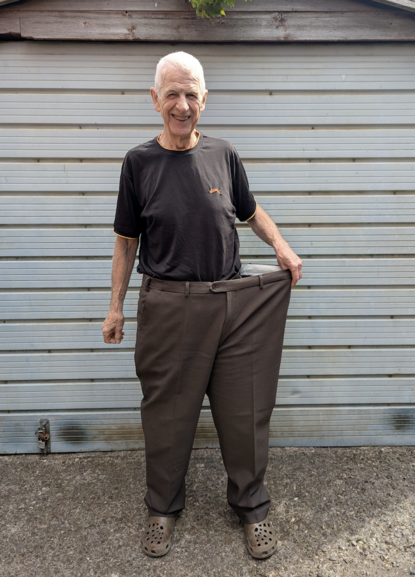
This month’s newsletter features the story of John, a 76-year-old retired lorry driver from Rochdale who shed five stone and reduced his risk of diabetes after being referred to Healthier You, the NHS’s type 2 diabetes prevention programme, which we manage across Greater Manchester.
John’s transformation, as well as his mantra of making health changes “fun”, will be music to the ears of the NHS, which is increasingly focusing on prevention, following Lord Darzi’s review.
Elsewhere in this month’s newsletter, you will find the following stories from across our Networks:
Children and Young People: clinical lead shortlisted for lifetime award
Palliative and End of Life Care: Dying Matters celebrations and new guidelines
Neurorehabilitation and Stroke: Clinical leads reflect on first months
Maternity: Two events to improve safety and services
Cardiovascular: May measure month and nurses win national award
Staff news: Sarah Owen joins our maternity team.
Thanks again for your interest in our Networks.
Best wishes

Retired truck driver shows it's never too late to improve health
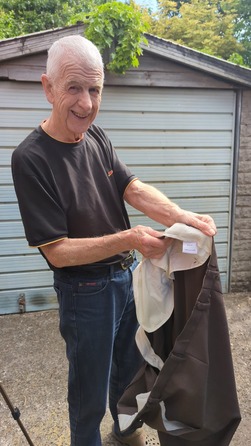
A 76-year-old retired lorry driver from Rochdale has spoken about losing five stone on a type 2 diabetes prevention programme, sending his HbA1c blood glucose levels plummeting.
Great-grandfather John (pictured left) is telling his story to inspire others during Type 2 Diabetes Prevention Week, which runs from May 26-June 1, with health professionals also being reminded to refer those at risk onto the course.
Around 144,000 people in Greater Manchester are pre-diabetic, which means their blood sugar levels are above normal but not yet high enough to be classified as type 2 diabetes – and so could benefit from taking part in the NHS prevention programme, called Healthier You, which the Network oversees the rollout of across the city region.
“Make it fun,” said John, who achieved his weight loss within 12 months. “Don’t make it feel like a punishment.
“I would go for a walk in the park and listen to music on my headphones. I’ve made a lot of friends on my walks who I speak to every day.”
John was invited to join Healthier You after his annual blood test showed he was at risk of developing the condition.
He joined a face-to-face prevention meeting in Rochdale with other participants and learned about diabetes and what steps were needed to reduce the risk of developing it. John said being in a group made the programme easier, with everyone supporting each other.
As well as the changes to his weight, which dropped from over 17 stone to 12, he saw his HbA1c blood glucose level, which indicates whether you are at risk of diabetes, drop from 46 to 37. Below 42 is considered to be within normal range. And his waistline shrank from 48-inches to 36-inches.
Dr James Hider, a GP in Trafford and the Network’s diabetes prevention clinical lead, said: “There are many people in Manchester just like John, aware they have a potential health problem they really need to tackle and can make small changes to their lifestyle to deliver big improvements over time.
“There are many more patients who feel well and will be unaware that they are at high risk of diabetes – these people need to engage with some of the health promotion options on offer that will prevent progression towards diabetes. It is never too late to start.”
|
Event focuses on lived experience improving delivery
The Diabetes Network hosted its spring event, with health care professionals, commissioners and system leaders discussing priorities and providing updates on work in Greater Manchester.
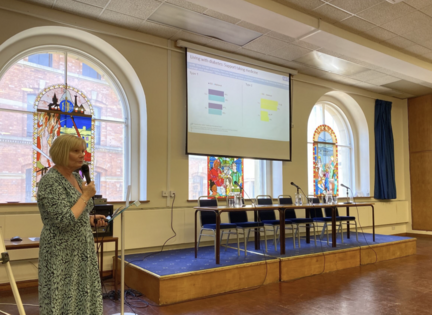
Hosted by the Diabetes Network clinical lead Professor Naresh Kanumilli, the afternoon session saw attendees introduced to a number of initiatives being led by the Network’s clinicians across the system, including the successes and next steps for the diabetes primary care network pilots proactive care programme, the Stockport diabetes transition and young adult care pilot and the enhanced model of diabetes care being developed in the Manchester locality.
The event also featured the NHS Greater Manchester perspective on the current challenges in diabetes care from chief medical officer Professor Manisha Kumar, the opportunities for medicines optimisation in diabetes care and the latest dashboard updates available through the Curator platform (a data software tool).
A central theme of the event was diabetes care experience and exploring how people’s lived experience can help shape and improve service delivery.
Feedback from the national diabetes experience survey was shared and we heard from a Diabetes UK young leader who shared their experience of living with type 1 diabetes.
Dr Jaweeda Idoo, clinical lead for structured education, shared some of the highlights of the feedback that has been received in the recent consultation and the importance of incorporating this into the development of future models of service delivery.
The Diabetes Network thanks speakers and participants who attended.
If you would like a copy of the presentations shared at the event please contact Adam.Wallis1@nhs.net.
Pictured above: diabetes specialist nurse clinical lead Nikki Milne speaking at the event.
|

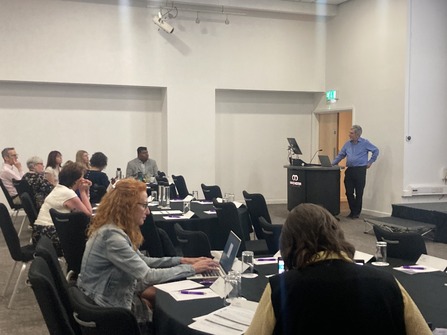
Opportunities discussed at clinical leads event
Clinical leads, associates and advisors joined a recent session in Manchester city centre to discuss forthcoming changes and opportunities.
Clinicians were brought up-to-date on NHS reform and discussed priority research themes for the next National Institute for Health and Care Research Applied Research Collaboration Greater Manchester.
The collaboration supports applied health and care research that responds to, and meets, the needs of local populations and local health and care systems.
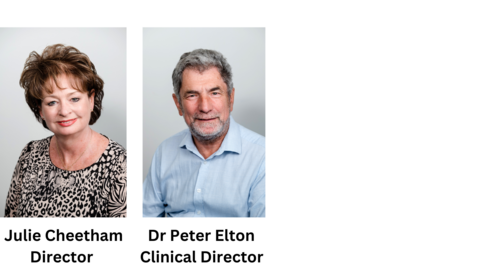
Dr Peter Elton, the SCNs’ clinical director, opened the afternoon session, with speakers including chief medical officer for NHS Greater Manchester, Professor Manisha Kumar and Sue Wood, head of operations at NIHR Applied Research Collaboration Greater Manchester, who said her organisation could support the work of the networks with, for example, rapid evidence reviews.
Prof Kumar said the SCNs play a vital role to our integrated care system and will hopefully continue to be central to the revised Greater Manchester integrated care board. She emphasised there is a tension between the need for in-year savings and promoting longer term changes that will lead to more cost-effective services. Further details are expected from NHS England on the blueprint for regions, alongside the ICB blueprint which has been issued.
Prof Kumar said the SCNs would be central to the role of a revised Greater Manchester integrated care board. She also said there is a tension between the need for in-year savings and promoting longer term changes that will lead to more cost-effective services.
If you are interested in discussing possible support with ARC, please contact either Sue Wood or Michael Spence.
Find out more about ARC.
Pictured above: Dr Elton speaking at the event.
|

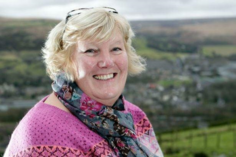
Jules nominated for lifetime achievement award
Congratulations to children’s clinical advisor Julie Flaherty MBE (pictured left), who has been shortlisted for the lifetime achievement award at the 2025 Greater Manchester Health and Care Champion Awards.
Julie started her nursing career in 1973, a career spanning 52 years, and for more than 30 years she worked across the city in many emergency departments, caring for sick and injured children.
She has been a key player at local, regional and national level in the drive to improve provision and the professional skills of those working with children presenting with unscheduled care needs.
Julie joined the Greater Manchester and Eastern Cheshire Strategic Clinical Networks in 2014.
The awards are due to held in July.
|

Clinical advisor raises funds to help children with disabilities thrive
Congratulations to the Network’s epilepsy clinical advisor, Amy Wilson, who completed the London marathon.
Amy, pictured right, ran for the charity Shaftesbury (Livability), which helps people with disabilities to thrive and live well.
The charity states that everyone has the right to a full and flourishing life through education or employment, friendships and accessing help and support when this is needed. Shaftesbury work to ensure all individuals with a disability have these opportunities.
Amy said her work as a paediatrician and speech and language therapist showed her how important this is to ensure children with disabilities thrive.
|

Greater Manchester shares cross-community experiences
This year’s Dying Matters Awareness Week focused on ‘The Culture of Dying Matters’ - exploring how different communities across the UK feel, talk about and manage death and dying.
Across Greater Manchester, colleagues embraced the theme with creativity, compassion and community spirit.
From choirs and cultural showcases to memory trees and myth-busting games, localities delivered powerful and meaningful events.
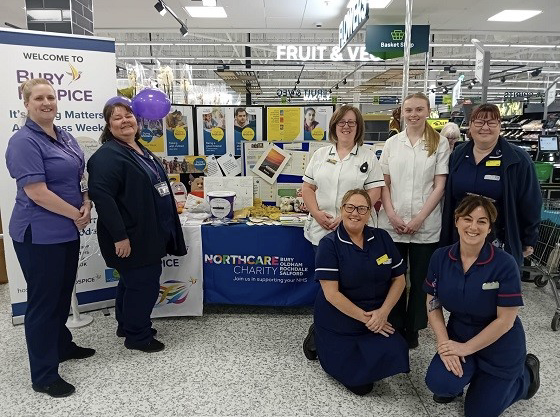
In Bury, the specialist palliative care team held an awareness stand with Bury Hospice in Asda supermarket.
Members of the public were invited to leave messages on a memory tree, take sunflower seeds home to “plant the seed” of conversation, and reflect on their own wishes.
One of the organisers said: “It was humbling to touch so many lives in one day. The conversations between colleagues and the public really brought home how important communication is.”
|
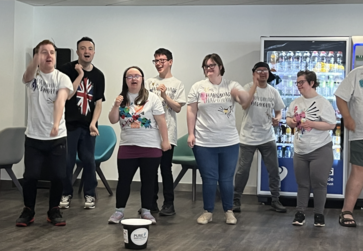
At The Christie, music brought people together in powerful ways. The Manchester Well-Being Cancer Choir even sang in Swahili, creating an emotional moment for many. “I had a lump in my throat,” one organiser said. “The atmosphere was so uplifting — staff were dancing as they walked by.” A patient, fresh from receiving good news after chemotherapy, even sat down to play the piano adorned with silk petals and mini LED candles.
|
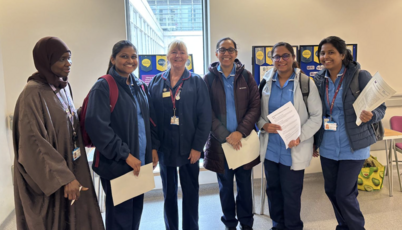
Manchester Royal Infirmary livestreamed a national advance care planning conference in a lecture theatre, to which they invited all health care professionals to attend. This was an immense success and empowered attendees to start conversations about the future and what matters most to patients.
|
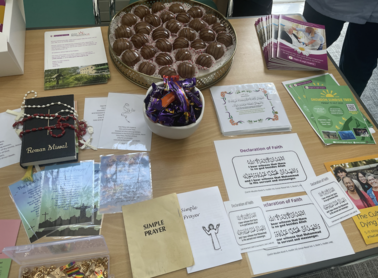
Wigan and Leigh Hospice held a vibrant and heartfelt event filled with discussion, culture and music. Speakers from a range of cultural and faith backgrounds shared what matters most at the end of life, from compassion to spiritual traditions. One staff member demonstrated Hindu values through dance, and the session ended in a joyful singalong to ‘Fairytale of New York’. Attendees left inspired. One said: “Whatever we believe, we are all valued and loved.” Another commented: “There are many cultural considerations for end-of-life care, and small changes in practice can make a big difference.”
|
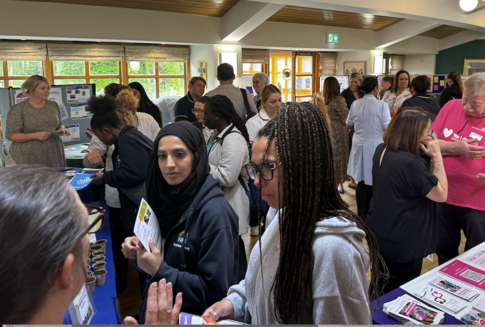
Willow Wood Hospice ran a series of community ‘pop-in’ sessions and a lively marketplace event. Local people, healthcare professionals, faith leaders and charities came together to share stories and challenge taboos. Guest speaker Mohamed Seedat, lead chaplain at Tameside Hospital, spoke about the importance of culture and spirituality in end-of-life care. As one attendee reflected: “It’s ok for us all to be different. Everyone’s beliefs should be respected and learnt about.”
|
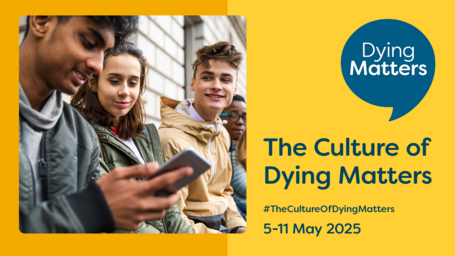
The Network would like to congratulate all the localities for their heartfelt and impactful contributions to Dying Matters Week 2025. Together, they helped ensure this often-difficult topic was met with warmth, honesty, and community spirit.
|

Progress on life-saving procedure
Two of the Network’s most recent clinical leadership appointments have been reflecting on their first few months in the role, including a tour of services in localities.
In late 2024, Rachael Collins and Dr Jungim Kwon (known as J) were appointed to work alongside Chris Hyde in community and support clinical director Dr Shivakumar Krishnamoorthy.
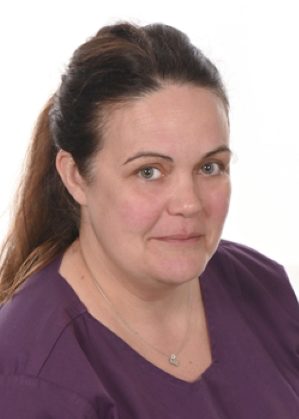
Rachael (pictured left) is the Network’s inpatient stroke rehabilitation clinical lead and for the last four years has been an advanced clinical practitioner in the Salford Royal Stroke Service, embedded within the medical team but working across the allied health professional (AHP) stroke workforce. She qualified as an occupational therapist in 2001 and has worked in stroke and brain injury rehabilitation ever since.
Rachael has enjoyed stepping into the leadership role which has kept her busy keeping up with a wide portfolio of projects whilst balancing her clinical workload.
Her immediate focus has been to continue supporting a cardiorespiratory rehabilitation project by establishing a risk screening tool and developing staff training in collaboration with local leisure and health sector groups.
She is now integral in supporting a longstanding initiative to improve the quality of care and equity of access to spasticity management (treating stiff, tight muscles after a stroke) across the region.
|
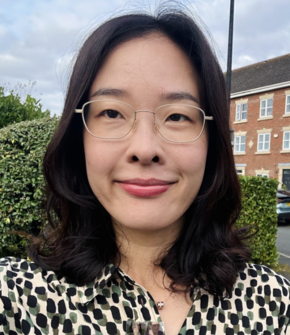
J (pictured right) is the Network’s acute stroke clinical lead. She qualified as a neurologist in South Korea and subspecialised in stroke and is the lead for mechanical thrombectomy and patient pass referral system roll out in Salford Royal Stroke Service. Patient pass has seen referrals move from a telephone to online booking system, speeding up the process.
She is currently supporting extension of CT perfusion (monitoring blood movement in the heart muscle) and MRI scanning across Greater Manchester to ensure better alignment with the National Clinical Guideline for Stroke (2023).
The local thrombectomy pathway was also recently reviewed including in person observations of team behaviour at each of the three hyper acute sites. There was found to be overall excellent performance, but with a scope for further improvement which J will help facilitate.
Rachael and J have now conducted site visits to most of the region’s stroke units. This has helped build relationships with other teams and helped them gain a deeper appreciation of the challenges faced by the other stroke centres, especially the non-hyper acute units.
Their visits highlighted that even though the region’s stroke pathway and front door services are exemplary, there is still work to be done to increase clinician levels and reduce staff turnover to ensure sustainable services across the patch. The leads were struck by how dedicated and passionate the stroke unit teams were and how hard they worked to try and deliver the best care, often in challenging circumstances.
Rachael said: "Whilst the outstanding work already completed by the Network is evident, I have observed the benefits and value that our stroke and neuro teams gain from being part of the Network and the service improvement projects they engage with.”
J added: “It has been an exciting and enjoyable journey for me since I started, with a steep learning curve! I am looking forward to continuing the work to continuously improve stroke care for our patients.”
For more information about J and Rachael's work please contact Network manager Sarah Rickard.
|
Memorial session for Pippa
A symposium in honour of Professor Pippa Tyrrell is being held at the University of Manchester next month.
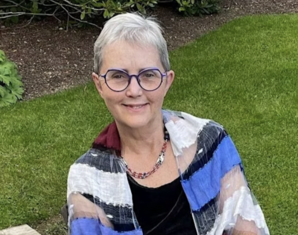
Pippa (pictured left) made an enormous contribution to improving stroke services over many years and sadly died earlier this year.
The idea is for her many and varied contributions to the transformation of stroke care, stroke research and life after stroke to be recognised.
The Network's manager, Sarah Rickard, is one of the speakers.
Everyone is welcome to attend the event after registering.
|
Updates on AI in national bulletin
NHS England's Integrated Stroke Delivery Network monthly news bulletin gives amonthly update on improvement activity and policy work.
The latest issue gives news on an online artificial intelligence knowledge repository and thrombectomy centres being revisited by the national clinical director and include the site at Salford Royal Hospital.
Tools launched to support 10 year plan workforce strategy
New online resources have been launched to support teams to plan, fund and implement advanced clinical practice (ACP) roles within stroke and neurorehabilitation services.
A webinar and dedicated resource webpage are now online, as part of the Network’s aim to explore and embed ACP roles within services.
This initiative began by scoping the existing workforce and identifying gaps in senior clinical decision-making, specialist roles and succession planning.
With the publication of the NHS Long Term Workforce Plan reinforcing the need to grow and evolve the workforce, ACP development became a key focus for strengthening stroke care pathways.
The webinar featured a panel of ACPs from nursing and Allied Health Professions, who shared real-world experiences of developing their roles, shaping weekly work plans, and navigating implementation challenges.
The community of practice, resource hub, and supporting documents created will continue to help our region services shape a skilled, sustainable, advanced clinical workforce across stroke and neurorehabilitation care.

United focus on improving safety
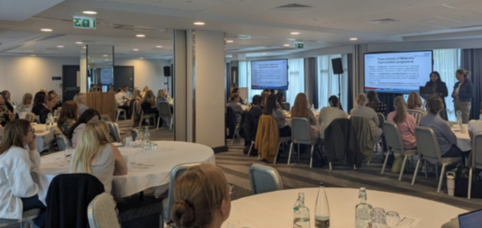
The second maternity and neonatal safety event saw health professionals from across the system discussing how to improve services.
Hosted by the Greater Manchester Local Maternity and Neonatal System, in collaboration with Health Innovation Manchester, the session saw midwives, obstetricians, neonates and students come together to share their quality improvement work across the system.
This face to face event enabled networking and created interesting discussions about how to improve quality and safety.
Examples of quality improvement work shared included avoiding term admission into the neonatal units, reducing third and fourth degree tears and preterm birth clinics services.
The feedback from attendees was positive and a future event is being planned.
|
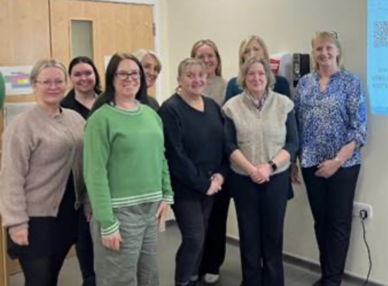
Positive feedback for pelvic health session
Midwives from trusts across Greater Manchester attended a two-day pelvic health training course.
The session, delivered by the Pelvic Health Academy, was an opportunity to widen clinical knowledge, strengthen leadership skills and build new professional networks.
This collaborative approach to learning is key to driving change and creating the foundations of a successful and sustainable service for the future.
The energy and engagement throughout the sessions reflected the passion and commitment midwives have to implement the perinatal pelvic health service (PPHS), improving care and treatment for women.
The feedback from the course was positive, highlighting the benefits of learning alongside peers from different trusts.
“Fabulous sessions learnt so much. Love the way of teaching and found it a great way to learn. Will remember it with the resources”
“Having the opportunity to take part is invaluable.”
“This has been invaluable in applying to future practice”
“Both days full of relevant info but engaging and fun. I’ve learned loads”
Plans are ongoing to create similar sessions for the pelvic health physiotherapists in the upcoming months.
Suzie Rai, Greater Manchester perinatal pelvic health service clinical lead, said: “We are looking forward to bringing this teaching into practice - supporting one another and continuing with the implementation of the PPHS in Greater Manchester.”
Launched in January 2022, the Pelvic Health Academy combines extensive experience in delivering pelvic health training, ranging from undergraduate education to Master’s level programmes.
If you have any questions about this work, please contact Suzie Rai.
Pictured above: midwives on the training course.
|

Cardiac nurses pick-up national award
Specialist nurses at Bolton NHS Foundation Trust have been recognised and honoured by a patient for their exceptional quality of care and treatment.
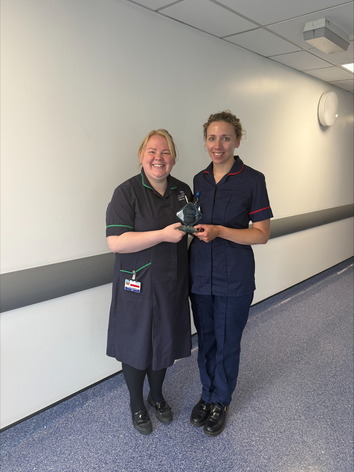
Kieley Lewthwaite, lead heart failure specialist nurse, and Lauren Gazada, a specialist nurse at the trust, are among six national winners in the charity Pumping Marvellous awards after being nominated by a patient.
The patient commended Kieley and Lauren, saying: “I nominate the heart failure team in Bolton, particularly Kieley and Lauren.
“Their help, compassion and empathy have been invaluable to me. I know they have busy schedules, but they never make me feel rushed and are always so reassuring.
The awards are measured by patients’ experience and reflect the direct impact outstanding healthcare professionals have in the local community by producing the highest standard of care for patients.
Kieley said: “The award is an honour for us to receive as there is no greater privilege than knowing you have made a difference to the patients we care for. We are so grateful for the nomination and award thank you.
“I also feel very lucky to work with such a wonderful team and as Lauren’s manager feel this award is reflective of the wonderful caring and compassionate colleague I get to work with each day – she always goes above and beyond for her patients.”
The Pumping Marvellous Foundation is a UK patient-led heart failure charity that is focused on improved patient outcomes and has worked in partnership with the Network on mobile testing in communities.
The charity highlights how heart failure is a life-threatening condition, in which the heart cannot pump enough blood around the body. It affects approximately one million people in the UK and 64 million worldwide.
Pictured above: Kieley (left) and Lauren.
|
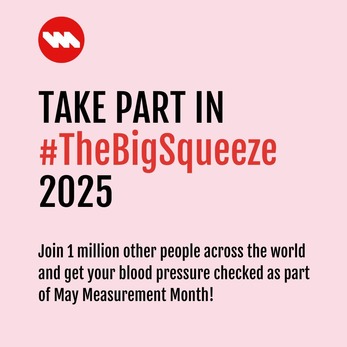
People over 40 have been encouraged to get a free blood pressure check during May Measure Month.
Around 420,000 people in Greater Manchester are known to suffer from hyper-tension – high blood pressure – with the total number possibly double this because it has not been diagnosed, said the Network’s cardiovascular prevention clinical lead Dr Aseem Mishra.
He added: “Hypertension is now the single biggest global risk factor for preventable deaths and disability adjusted lifespans.
“It accounts for roughly half of all strokes and myocardial infarctions – heart attacks. Yet we still don’t know the prevalence of hypertension in an estimated 40% of the population. This is, unfortunately, not just a primary care or secondary care problem, but a whole system issue.”
High blood pressure rarely has noticeable symptoms, but if untreated, it increases your risk of heart attack and stroke.
Since October 2021, when the NHS Community Pharmacy Blood Pressure Check service began, pharmacies in the North West have provided more than 957,000 blood pressure checks, identifying almost 102,000 people with high or very high blood pressure, with more than 158,000 referred by GP practices.
Those people have been supported to receive appropriate onward care, testing and diagnosis, helping to prevent potential life-altering strokes and heart attacks.
More than 90% of pharmacies in the North West offer the service, It should be quick, easy, with no need to book in advance. Last year, they carried out over 480,000 blood pressure checks.
Community pharmacy teams can check blood pressure and offer advice on how to lower your blood pressure and if needed can refer you back to your GP for monitoring.
High blood pressure can often be prevented or reduced by eating healthily, maintaining a healthy weight, regular exercise, drinking alcohol in moderation, and not smoking.
|
Let’s be Blunt
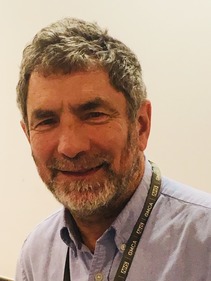
Our clinical director, Dr Peter Elton (pictured left), has been trying to persuade policy makers for 20 years that, by allowing shops only to be able to sell blunt ended knives, they could reduce deaths and injuries. This followed an editorial in the BMJ published in 2005:
Reducing knife crime: We need to ban the sale of long pointed kitchen knives - PMC
At the time, the response was: “A Home Office spokeswoman refused to say whether or not the government would consider such a ban.”
For years Peter carried round two rounded ended knives and a roll of bubble wrap to show how difficult it is to cause severe damage by stabbing with such knives. He completely failed to persuade anyone that it was worth changing the shape of knives that were sold.
In 2024, kitchen knives were the most frequent used murder weapons (42% of all cases). This led to 109 deaths. Domestic murders were especially likely to be caused by pointed knives.
Then in January of this year, Idris Elba argued that knives did not have to have a point https://www.bbc.co.uk/news/articles/c1jgz1ld7lno
And now we have one of the victims of the Southport knife attack starting the Let’s Be Blunt campaign https://www.letsbeblunt.co.uk/
Any support to make this eminently sensible change would be welcome.
|

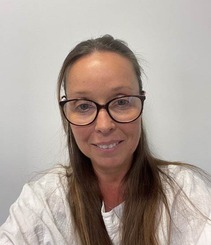
Introducing our new starter!
This month, we welcome Sarah Owen to the team.
Here, she answers some questions about herself and her work within maternity in Greater Manchester.
Q: What is your new role at the SCNs?
A: Associate director for maternity assurance (NHS Greater Manchester and Greater Manchester Local Maternity and Neonatal Service)
Q: Why did you decide to join the team and what do you hope to achieve with your Network?
A: After working within a maternity provider for over 20 years I am excited to move into the experienced team at the LMNS and helping to influence safe maternity care at a system level.
Q: How have you found your first few days or weeks with the team?
A: The team I have met so far have been incredibly welcoming and I am looking forward to working closely with everybody moving forward.
Q: Where have you joined us from and what is your career background?
A: I started my career in the NHS as a student midwife in February 2001, qualifying in February 2004. I spent a large portion of my career on labour ward, progressing to labour ward co-ordinator in 2011. My leadership journey moved into management as the inpatient matron in 2020 and then into a deputy head of midwifery post. My most recent post before joining NHS Greater Manchester was head of midwifery for Saint Mary’s Manchester Foundation Trust, a job I loved and learnt so much in during the three years in the role.
Q: Outside work, how do you like to relax?
A: Similar to so many of us, outside of work my time is dedicated to my family. We love to travel and experience new cultures and great food all over the world ! I’m a country girl at heart, living outside of the hustle of the city centre in the Peak District.
|
|