December 2024
Wishing you all a relaxing Christmas and New Year!

Well, it’s been another busy, challenging and rewarding journey around the sun!
As 2024 comes to an end, we feel a sense of achievement at what our clinicians and support team have accomplished. We have renewed confidence in our future direction following the publication of Lord Darzi’s report on the NHS, which underlined the importance of prevention, digital and moving from hospital to the community – themes which already run through much of our work.
For this festive issue of our newsletter, we have asked our clinical leads to write about the progress they have made this year, as well as offer some health and wellbeing advice for over the holiday period.
One or two have suggested that the best tonic is to get rest when you can, which is something we would also like to endorse.
Have a (hopefully) relaxing merry Christmas and a happy new year.
See you in 2025!
Best wishes
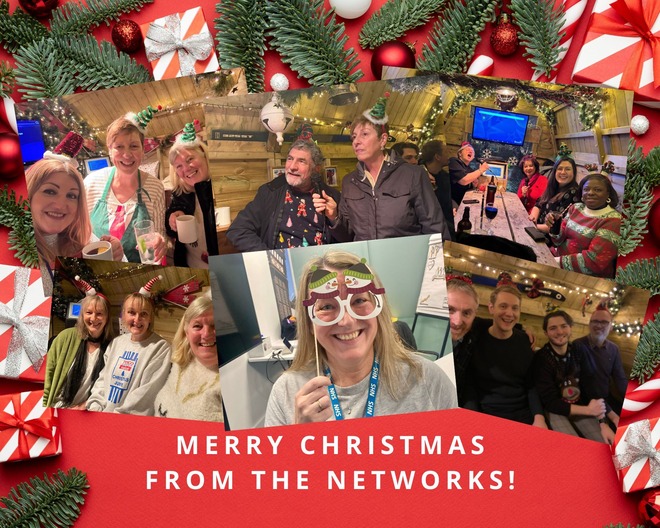
Pictured top: members of the support team and clinicians enjoying festivities during the Christmas party.

A year of respiratory improvements
Thank you to everyone who has been on the journey with the Respiratory Network through this last year.
As Christmas beckons, it is a time to reflect on the success that 9 out of 10 localities are now delivering spirometry and it is now a Greater Manchester commissioning intention that all localities provide quality assured spirometry.
We are pleased to have, with other colleagues, developed the new Greater Manchester Medicines Management Group guide on managing asthma for adults, released in October, which is consistent with NICE guidance published earlier.
This is a sea change in how we manage asthma and I look forward to continuing to work with you all as we adapt them. The respiratory deep dive in the last year only shows that we must keep respiratory a priority.
The one thing I realised over the last year is the importance of rest and how that really rejuvenates us, rather than a forced rest when we pick up the surging quad bugs (flu, RSV, norovirus and Covid-19).
My advice is to use any time that is possible within this festive and holiday season to put your feet up!
Dr Murugesan Raja
|
Improving services for people with long Covid
Merry Christmas from the long Covid team.
We have had an exciting 2024 with improved networking across all Greater Manchester long Covid services, great engagement and relationships with commissioners, and a commitment from the Integrated Care Board to secure a stable, sustainable and equitable service for people with long Covid and clinically similar syndromes. 2025 is looking bright!
If you have too much on your plate, be it due to workload or long Covid, and start to feel out of sorts, my advice is know your limits, don’t push past them and be kind to yourself.
Dr Clare Gibbons
|
Strengthening clinical partnerships for children and young people
The Children and Young Person's Network group has had an exciting year developing the following:
- Asthma Friendly Schools pilot
- Epilepsy youth worker pilot
- Children and young people diabetes transition pilot.
These are all being rolled out across Greater Manchester.
We have facilitated the implementation of the new diabetes technologies, which have transformed the lives of children and young people.
And we have seen the development of severe asthma pathways and epilepsy transition documentation.
Another highlight was providing input into surge planning, deployment of mental health champions and paediatric early warning system implementation.
We are delighted with the progress we have made, which has been enhanced by the substantial increased clinical engagement in all our workstreams.
We expect that this strengthened clinical partnership will drive our endeavours in 2024-2025.
Dr Easwari Kothandaraman
|
Major advances in technology for children with type 1 diabetes

Wearable technology is transforming the lives of young people and their families living with Type 1 Diabetes (T1DM).
A total of 87% of children and young people with T1DM in Greater Manchester are now using real time continuous glucose monitors (CGM) to monitor their blood sugars.
Since the NICE guidance regarding hybrid closed loop (HCL) in December 2023, children and young people diabetes teams have been increasing use of the technology and Greater Manchester is in line with national figures in having over 50% of boys and girls with T1DM on HCL technology.
This is despite significant staffing challenges and service pressures and is down to the dedication of paediatric diabetes teams driving implementation of this technology.
This has had a huge impact on these young people and their families and HbA1c median, a clinical outcome measure for diabetes, has decreased to 58 mmol/mol (was 62 mmol/mol in same quarter in 2023) and the number achieving a target of less than 48 mmol/mol has increased from 8.9% to 15.8%.
This technology is completely changing the way we manage young people living with T1DM and will have far reaching effects for their future health.
|
This response is typical of feedback we have received (Z is a 12 year old young man with T1DM)
“We just wanted to follow up after our recent appointment, and as it has now been just over 6 weeks since Z had his insulin pump (HCL) fitted, to provide some feedback on how this amazing device has changed our lives so positively in the short space of time.
“Since his diagnosis almost 2 years ago, Z’s blood sugar levels have been very erratic, and we have struggled to find any real harmony with his ratios. He has missed a number of school hours as a result of very low blood sugars whilst at school, resulting in the need to bring him home. As you know, the significant lack of sleep we have been forced to endure in order to manage Z’s levels throughout the night, has left us all feeling extremely shattered.
“However, since the introduction of the pump we can honestly say that it has made a massive difference to all our lives. Firstly, we are all getting much more uninterrupted sleep, and the nights spent watching (and worrying about) the arrows on the Dexcom app are now few and far between. In the first six weeks Z’s blood sugar levels have been nothing short of fantastic! Z has been in range for the majority of the time. The pump seems to be managing Z’s diet fantastically well, and the ability for Z to eat whenever he likes has been very welcome indeed, mainly for Z!
We cannot thank you enough for the training you provided and for putting Z on the list for the pump. We understand that the pump will continue to ‘learn’ as time goes on which for us can only mean that things will continue to improve for Z in managing his diabetes.
We cannot speak highly enough about the positive impact the pump has had on all our lives and as such wanted to provide some feedback to you and the diabetes team”.
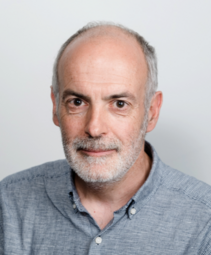
Dr Chris Cooper
(pictured above right)
Read more about continuous glucose monitors.
|
A time of reflection

It is recognised that the Christmas period can be a time of reflection and can also be a challenging time for those who are bereaved, regardless of how long ago this may have been.
The Greater Manchester Bereavement Service provides some useful information and contact details
Dr Liam Hosie
|
Picking up heart failure

More people, after being admitted to hospital, are receiving the treatment they need for their heart failure.
We have worked with diagnostic teams to increase the number of inpatients being tested for NTproBNP (a protein in blood that helps diagnose and monitor heart failure) to alert clinicians for the need for an echocardiogram.
As part of NHSE quality improvement (QI) project, we have improved access to inpatient echocardiogram leading to appropriate management of patients' heart failure that has allowed patients to go home earlier.
Alongside this, many colleagues have attended QI clinical masterclasses, that we funded, which offered bespoke training. Feedback was excellent and it was rewarding to be part of a positive experience for Greater Manchester wide clinical staff.
We have also been developing the heart failure toolkit which will be a valuable resource to support primary care following a patient’s heart failure journey in the years to come.
|

I'm incredibly proud of the collective effort across Greater Manchester to prioritise cardiovascular disease prevention.
This year, we've made significant strides in attempting to address long-term conditions and multi-morbidity, focusing on promoting wellbeing and supporting people to live healthier, longer lives.
The System Transformation Fund (STF) project has truly demonstrated the value of co-designing health solutions with local communities. By collaborating with grassroots and VCSE (Voluntary, community and social enterprises ) organisations, this project has raised awareness of cardiovascular health and addressed health inequalities, particularly among underserved populations. The STF's focus on empowering communities has been instrumental in fostering trust and encouraging proactive health management.
The Live Well for CVD fund has provided funding directly to grassroots and VCSE organisations. This initiative is helping tackle the top modifiable risk factors for CVD, enabling community-led solutions to support those at risk and improve health outcomes.
I hope all readers know your numbers—especially your blood pressure. High blood pressure often has no symptoms but can lead to serious health problems if untreated. Taking the time to get your blood pressure checked is a simple step towards safeguarding your overall wellbeing and ensuring a healthier future.
We’ve been expanding the accessibility of blood pressure checks through innovative initiatives in community pharmacies and optometrists. These convenient, familiar settings make it easier for people to check their numbers and take steps to manage their health proactively.
These collective efforts underscore the importance of prevention and wellbeing, helping to move the emphasis from disease and illness to living healthier, longer lives.
Cardiovascular health is about more than preventing disease—it's about empowering everyone to feel their best and thrive for a happy new year.
Dr Aseem Mishra
|
Preventing deaths from hypertension in 2025

Hypertension is thought to result in about 5,000 deaths in Greater Manchester every year.
We have known for 60 years that high amounts of salt in a person's diet increases blood pressure. Within the North Karelia Project, a special “Salt Project” was initiated in 1978 which included whole population health education, patient education, including nutrition counselling, training of personnel, and environmental changes.
As a result of these interventions and with the cooperation of the food industry, salt intake in North Karelia, in Finland, reduced by 30%. Between 1972 and 2012, average population systolic blood pressure fell concomitantly from 149 to 134 mmHg in men and from 153 to 129 mmHg in women. Similar changes followed elsewhere in Finland later.
In England, a national salt-reduction programme was successful in reducing salt intake by 19% between 2003 and 2014 but has not been sustained since. A similar reduction in blood pressure and CVD mortality was observed between 2003 and 2014 followed by a plateau up to 2018.
Interventions using low salt, potassium enriched substitutes in rural Chinese communities have reduced blood pressure in studies lasting up to three years. This was more successful because their primary source of salt is in food preparation, whereas in non-rural societies the preponderance of salt consumed is already present in food at the time of purchase. Why have such potent population interventions not caught on?
|
Charles Lewis, in “Implications of Preventability for Teachers of Preventive Medicine”, stated that medical students’ individual concern with the practice of preventive medicine was related to their personality and health and illness behaviour largely shaped by their experiences before starting medical training. This will be true of all health care professionals.
We need to set Greater Manchester’s clinical house in order to ensure that primary prevention of hypertension becomes a foundational approach in our own experience as well as practice.
The pressures of increasing demand, expectation, complexity, and urgency make it difficult for health care teams to find time to prioritise their personal prevention strategies. Fast food or quickly prepared meals or missed meals followed by a calorific “binge” of anything to hand is a poor example when we are trying to recommend the DASH diet and other preventive measures to hypertensive patients, let alone recommend a similar approach before blood pressure requires treatment.
With these factors in mind, primary prevention training should be fundamental for all healthcare professionals as well as their personal participation in awareness and screening strategies as both screeners and screenees.
Unfortunately, even as we improve people's diet and other aspects of their lifestyle, people will continue to develop hypertension. The UK’s involvement in May Measurement Month has been historically underwhelming.
This Christmas could we start thinking how we can help and encourage all our work-place colleagues to have their own blood pressure measured as part of this world-wide initiative in May 2025? We could then expect a healthier healthcare community better able to impact those they care for as a result of first-hand experience in the prevention process.
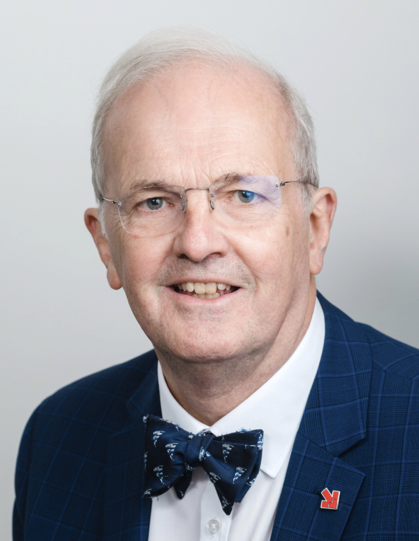
Dr Philip S Lewis
(pictured above)
|
Manchester Amputation Reduction Strategy (MARS) halves the number of people having an amputation
The Manchester Amputation Reduction Strategy (MARS) continues to go from strength to strength, showcasing the power of collaboration and innovation in healthcare.
Our team has grown to include nine experts specialising in implementation science and realist evaluation.
Building on the success of our pilot in Salford - where we achieved an impressive 46% reduction in amputation prevalence - we are now expanding our work across multiple localities in collaboration with the Greater Manchester and Eastern Cheshire Vascular Network to enhance wound care across the region.
To date, we have trained over 400 community nurses to perform vascular assessments and streamline referrals through a single electronic system, improving care delivery and patient outcomes.
Next year promises even greater strides, with planned expansions supported by grants from the National Institute for Health and Care Research, Health Innovation Manchester, Great Foundations, and the ongoing backing of the Strategic Clinical Network.
Our health message remains simple yet vital: move more, eat healthier, and do not smoke. Together, we can continue to save limbs and lives.
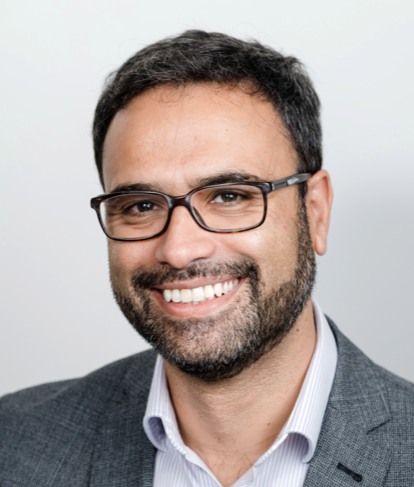
Naseer Ahmad
Read more on this topic.
|
Continuing to strive to excel
We are delighted that Greater Manchester has the best stroke services in the country.
We have pioneered the Integrated Community Stroke Service model which was adopted within the national model of care. NHS England will also be highlighting our equivalent neurorehabilitation community model as an exemplar of best practice within the neurology transformation programme.
We are not resting on our laurels as we strive to exploit opportunities for prevention, shifting care into the community as we improve support for carers and families. We also seek to improve access to time critical interventions by increasing the number of people benefitting from thrombolysis and thrombectomy.
Our Christmas message is a plea to familiarise yourself and at least two of your colleagues, family or friends on how to recognise symptoms so you can ACT FAST at the first sign of stroke: Stroke: Signs and Symptoms
Dr Shivakumar Krishnamoorthy
|
Your maternity team is there for you
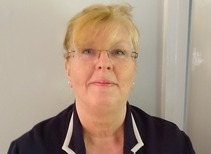
Pregnancy is an exciting time for many parents, as is Christmas, but it can also be a period of uncertainty and anxiety.
Having a supportive social network during this time is essential for maintaining your wellbeing and can provide emotional comfort and reassurance, reduce stress, depression, anxiety, improve physical health and reduce the risk of pregnancy and birth complications.
Support can come from different people - family, friends, faith group and of course from your midwife or doctor. If you could do with some additional support, reach out to someone from your maternity team - they’re there to support you throughout your pregnancy journey, so lean on them if you need to, share your concerns, and allow them to provide you with the reassurance and guidance that you need.
Eileen Stringer
|
|