|
|
Happy new year! Given we’re getting to the end of January, you’ve probably abandoned many of your new year’s resolutions. Here’s one you can keep – a resolution to do what you can to protect the environment.
Below are three simple steps that can make a difference.
|
|
|
Wood burning is the most polluting way to heat your home, contributing to serious health conditions for people across the UK and cutting lives short.
New research shows that if we stopped burning wood where another heat source is available, we could avoid more than 1,500 premature deaths in the UK each year.
Research also shows that if your house is connected to the energy grid, it is almost always more expensive to heat your home using a wood burner or open fire rather than central heating.
Thursday (22 January) is Clean Air Night.
|
|
|
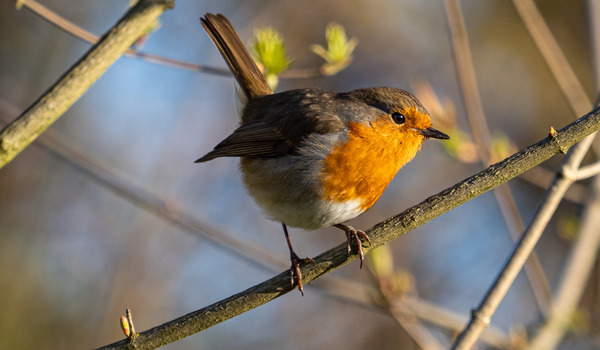
Monitoring garden bird populations is a way to know if action to protect and improve habitats is working, or if they are continuing to decline.
This year’s RSPB Big Garden Birdwatch is from 23-25 January.
All you have to do is:
- Choose an hour between 23 and 25 January
- Only record the birds that land in your patch
- Record the highest number of each bird species you see at any one time
|
|
|
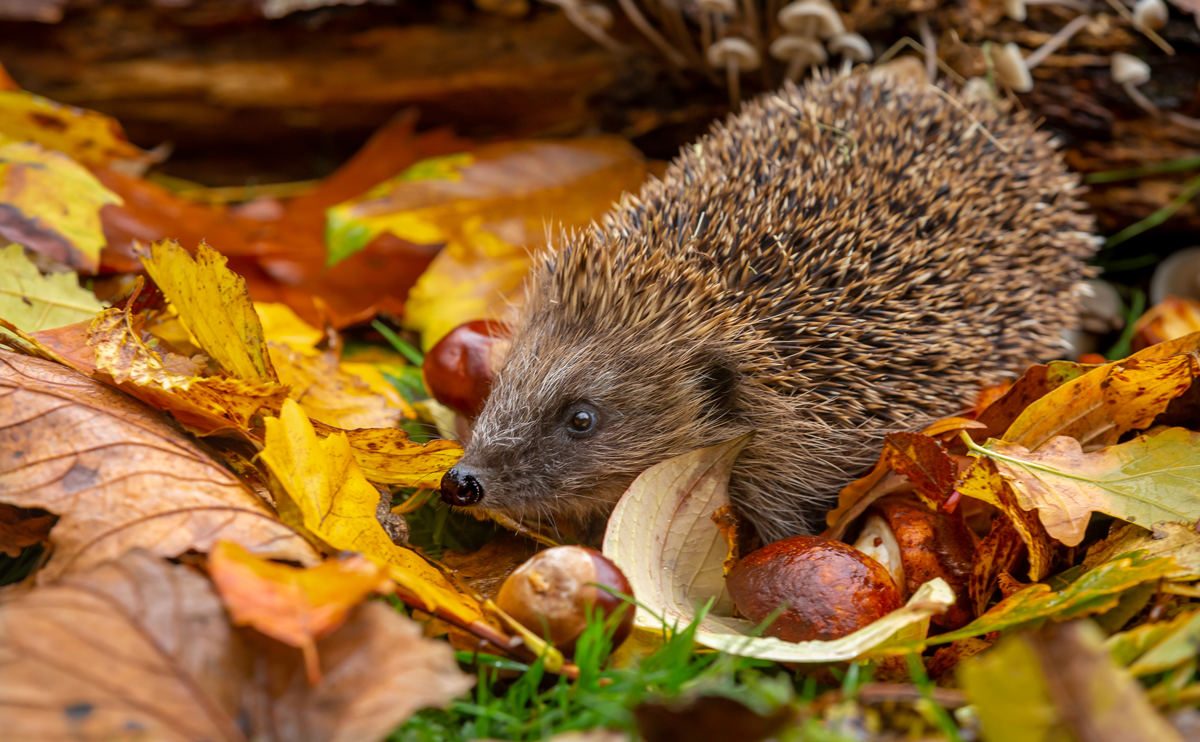
At this time of year, hedgehogs are hibernating until the spring. If you see one out and about, it’s probably getting a snack and a drink before heading back to sleep.
Hedgehogs survive the winter by using up the fat stores they’ve built over the spring and summer. Eating enough nutritious and fatty foods like beetles, worms and other invertebrates during those months is vital. If there’s not much of that in your garden, supplementary feeding can help. The Wildlife Trusts website has guidance on the best food to leave for hedgehogs.
The RSPCA has tips on how you can make your garden hedgehog friendly.
|
|
|
|