Introduction
As you will know, from the 8th of March, all students in Doncaster should start to return to school and college.
When children begin to return to school from the 8th of March, nurseries, childminders, schools and colleges will continue to implement the range of protective measures that they were using before Christmas. These measures have been further strengthened to help stop the spread of the virus and prevent the disruption the virus causes to education.
All secondary and college students will be offered testing from the 8th of March, and those who consent to testing should return to face-to-face education following their first negative test result. If you or your child (if they are aged over 18) do not consent, they will not be stopped from going back and will return in line with their school or college’s arrangements.
Why are Children Returning Back to School Now?
The reopening of education settings to all is being prioritised due to the significant and proven impact caused by being out of school to the mental and physical health and wellbeing of children and young people. Missing out on classroom-based education has severe impacts for children and young people, with clear evidence that further time out of schools and colleges is detrimental for cognitive and academic development, learning, health and wellbeing.
Public Health England continues to advise that the existing range of safety measures in place in education settings remains appropriate.
Evidence from the Schools Infection Study continues to show that infection rates in schools mirror infection rates in the wider community, suggesting schools are not the main driver of infections. PHE’s Surveillance in Schools study (sKIDS) suggests that transmission in primary schools is extremely low and outbreaks are rare.
The flexibility we are providing in the first week of return for secondary schools and colleges to allow testing of staff and students, alongside strengthened safety measures, should reassure families and education staff that extra measures are in place alongside the existing bubble system, enhanced hygiene and COVID-19-secure precautions.
Mental Health and Wellbeing
As a parent or carer you may be concerned about how your child may feel about returning to school. Here are some things you can do to help prepare you child for returning to school:
-
Find out your child’s worries, once you know their concerns, you can provide them with information and reassurance to help them feel safe at school.
-
Share with teachers and support staff your family’s lockdown experience, as this will affect how your child will feel about returning to school. This will help school staff to provide the support your child needs.
-
Work together with your child’s teacher and other professionals to agree an individual ‘return to school’ plan.
-
Consider how changes to school routines and activities will affect your child: there could be new rules about entering and moving around school. Help your child to understand those changes to their school day and why they are happening.
We know some parents may still be worried about sending their child to school. We feel strongly, as do our schools, that school is the best place for our children and we have worked closely as a team with all schools in Doncaster to make them as safe and prepared as possible.
If you're still feeling anxious and would like further support, we would encourage you to contact your child's school or alternatively speak to our Attendance and Pupil Welfare Service who are on-hand to provide dedicated support for your family so that we can ensure our children are going to school in the right way for them, and that you are confident and happy about your child's safety and well being. The Attendance and Pupil Service team are available on 01302 736504 or at APWS@doncaster.gov.uk
What to Expect When Returning Back to School
Nurseries, childminders, schools and colleges will continue to:
- Manage confirmed cases of coronavirus (COVID-19) in the nursery, childminder setting, school or college, in line with current public health guidance, and minimise contact with anyone who is required to self-isolate - your child should not attend if they have developed one or more symptoms or tested positive, and your child may be asked to self-isolate from the day of contact with an individual who tested positive and the next 10 full days if they have been in close, face-to-face contact with someone who has tested positive for the virus
- Ensure that everyone cleans their hands thoroughly more often than usual, including when they arrive, when they return from breaks, when they change rooms and before and after eating - this should be done for 20 seconds with soap and running water or hand sanitiser
- Promote the ‘catch it, bin it, kill it’ approach, to ensure good respiratory hygiene
- Enhance cleaning and ventilation, including cleaning frequently touched surfaces more often
Schools and colleges will minimise contact and encourage maintaining distance as far as possible. It will be different for each school or college. This will involve asking children and young people to:
- Stay within specified separate groups (or bubbles)
- Maintain distance between individuals
As well as this, there are a range of further measures regarding testing and face coverings that will come into place from the 8th of March...
Testing
Testing in education settings is now well established, with 600,000 tests done at universities since last year and more than three million rapid COVID-19 tests conducted in schools and colleges in England since 4 January, including tests for those students who have already returned and regular testing for all staff.
Secondary School Testing
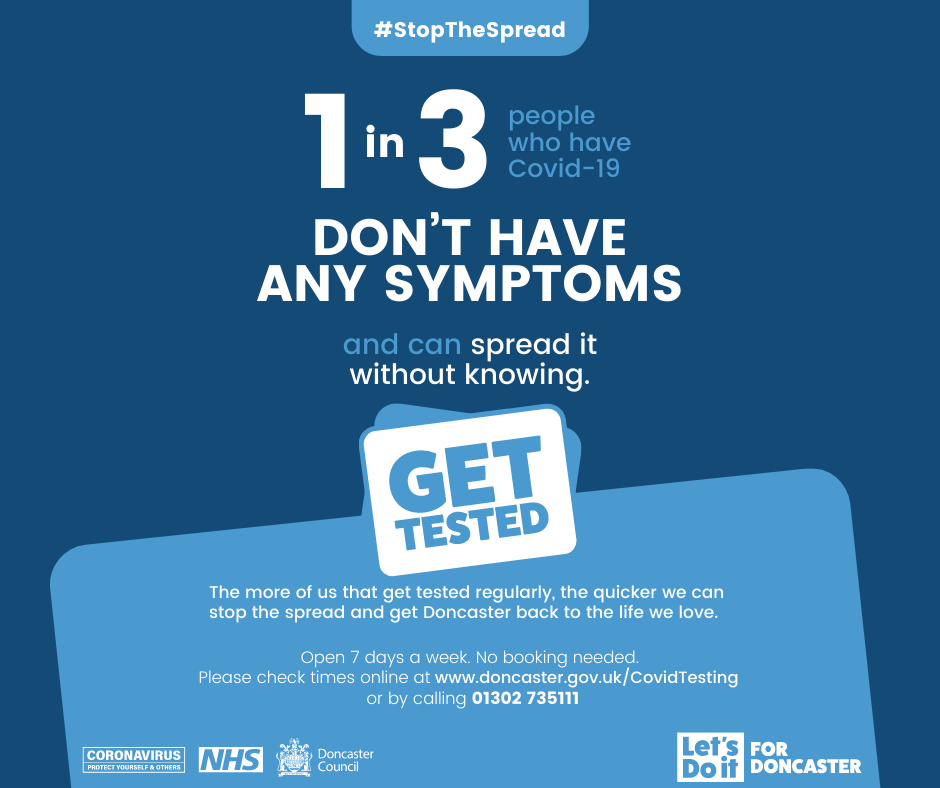
Secondary school and college students will now be tested twice a week, receiving three initial tests at school or college before transitioning to twice weekly home testing. Primary school children will not be regularly asymptomatically tested due to low levels of transmission between younger aged children but will continue to need to come forward for tests if they have symptoms.
Family Testing
In addition to this, the government has confirmed twice-weekly testing using rapid lateral flow tests will be given for free to all families and households with primary, secondary school and college aged children and young people, including childcare and support bubbles, to help find more COVID-19 cases and break chains of transmission. Twice-weekly testing will also be offered to adults working in the wider school community, including bus drivers and after school club leaders.
Tests will be available for adults in these households to collect on 1 March. As with student testing, this is encouraged but not mandatory.
Getting a rapid test is quick and convenient. The expanded regular testing offer for people without symptoms will be delivered through:
- testing in-person via workplace testing
- local authority test sites
- collection at a local PCR test site during specific test collection time windows
- a new home ordering service, which once launched on 1 March will allow people to order lateral flow tests online to be delivered to their home
You can find more information regarding testing on our dedicated information for Parents and Carers page.
Anyone with symptoms of COVID-19 should book a test online or by calling 119.
Face Coverings
For students in year 7 and above, we recommend that face coverings should be worn by students and staff when moving around the premises, outside of classrooms, such as in corridors where social distancing cannot be maintained. We now also recommend that students in year 7 and above should wear face coverings in classrooms and during activities unless social distancing can be maintained.
In primary schools, we recommend that face coverings should be worn by staff and adult visitors in situations where social distancing between adults is not possible (for example, when moving around in corridors and communal areas). Children in primary school do not need to wear a face covering.
Transparent face coverings, which may assist communication with someone who relies on lip reading, clear sound or facial expression to communicate, can also be worn. There is currently very limited evidence regarding the effectiveness or safety of transparent face coverings, but they may be effective in reducing the spread of coronavirus (COVID-19).
Face visors or shields should not be worn as an alternative to face coverings. They may protect against droplet spread in specific circumstances but are unlikely to be effective in preventing aerosol transmission when used without an additional face covering. They should only be used after carrying out a risk assessment for the specific situation and should always be cleaned appropriately.
Those who rely on visual signals for communication, or communicate with or provide support to such individuals, are currently exempt from any requirement to wear face coverings in education settings or in public places.
Picking Up and Dropping Off Children at School
When picking up your child from school, please ensure that only one parent or carer goes to collect the child to ensure that social distancing can remain in place. Please make sure that you wear a mask and social distance from other parents and carers whilst you are waiting to collect your child. Once you have collected your child, please do not stay around the school premises as this will likely cause gatherings to form.
We are also asking that parents and carers do not use car shares in order to drop off/ pick up their children from school. This is to ensure the integrity of School Bubbles and make sure that the coronavirus does not spread. We are also urging that children walking to school (or parents/ carers walking their children to school) do not do so with people outside of their bubble.
Childminders can continue to pick up children from the school premises, however they should discuss with parents and carers how to do this in the safest possible way.
Exams and Catch Up Programmes
The government has announced further elements of the recovery support package so children and young people can catch up on missed learning and development due to the pandemic.
There will be further support for the reintroduction of face to face learning with a £700 million package, focusing on an expansion of one-to-one and small group tutoring programmes, as well as supporting the development of disadvantaged children in early years settings, and summer provision for those pupils who need it the most.
More information about the recovery package can be found via the Government Website.
Students will receive grades awarded and determined by teachers, with pupils only assessed on what they have been taught.
Teachers will be able to draw on a range of evidence when determining grades, including the optional use of questions provided by exam boards, as well as mock exams, coursework, or other work completed as part of a pupil’s course, such as essays or in-class tests. No algorithm will be used.
Teachers will submit grades to exam boards by 18 June, allowing as much teaching time as possible before teachers make their assessments.
Results days for GCSE, A level and some vocational qualifications will take place in the week of 9 August – moved forward from the week of the 23 August. These earlier dates provide additional time for appeals to be completed, so students reliant on those outcomes to achieve their university offer have the best chance of accessing a place.
Schools, colleges and other educational settings will conduct multiple checks – such as checking consistency of judgements across teachers and that the correct processes were followed - to ensure as much fairness as possible. At the same time, exam boards will conduct their own checks, through a combination of random sampling and more targeted scrutiny where they identify cause for concern.
Every student will have the right to appeal their grade.
You can find more information on how students will receive grades for their GCSE's and A-Levels via the Government Website.
Support for Parents and Carers
Further information regarding the reopening of schools can be found via the Support for Parents and Carers page on the Doncaster Council Website. This page includes a Frequently Asked Questions section as well as further advice regarding the return to schools and Early Years information.
|