Welcome
On behalf of Councillor Dan Thomas (Cabinet Member for Highways) and Meg Booth (Director of Climate Change, Environment & Transport) we would like to take this opportunity to provide you with a “Welcome to Winter” message and to once again thank you all for your support and availability through last winter.
Review of last winter
The 2024/25 winter season was slightly busier than the previous year, though still mild when set against longer-term averages. In total, there were 1,868 precautionary and reactive runs, the equivalent of treating the county 50 times. This is up from 2023/24, but still well below the harsher 2022/23 season.
Across the season, we spread approximately 7,713 tonnes of salt, covering around 129,000 kilometres of the network. This is an increase of almost 1,500 tonnes compared with 2023/24.
The coldest night was recorded at Rundlestone on Dartmoor, where temperatures fell to -4.8°C. This is noticeably milder than the previous year’s minimum of -6.4°C at Telegraph Hill, and well above the extreme lows of -10°C seen in harsher winters earlier in the decade.
A clear trend this year was the frequency of days where temperatures stayed above zero — 46 days in total — highlighting the mild nature of the season. Most hazards encountered were linked to wet roads with relatively little frost, ice, or snow recorded.
We again treated the main cycle routes into and around Exeter, this time on 20 occasions (up from 17 the previous year). This reflects our ongoing commitment to supporting active travel even in winter months.
Our preparations for this winter
Devon County Council’s ‘winter service’ formally began in mid October and will run until at least mid-April.
Winter service is an important part of our maintenance work and involves salting major roads when there is a risk of ice, clearing snow and reacting to floods and fallen trees.
 |
|
We begin preparations for winter months in advance with M Group Highways, our term maintenance contractor. |
As the winter season starts our Devon and M Group Highways teams are ready to face the challenges this winter may bring. M Group Highways has a workforce based at strategic locations to provide an effective response to any problems that may occur.
We maintain a fleet of gritters and various other equipment for snow clearance. We have replaced some of our older gritting vehicles in our fleet with much newer ones, to improve resilience and ensure we are providing the best possible service.
In addition, we have been receiving deliveries of salt to our 13 barns across the County.

It's important that we hold up to date details for you. Please take a moment to update your details using our online form, even if you believe the details we hold are correct.
If you're no longer a Snow Warden please let us know by email so that we can remove your details from our records.
|
We have created free online training for Snow Wardens. Topics include:
- Creating your local Snow Plan
- Risk assessments and staying safe
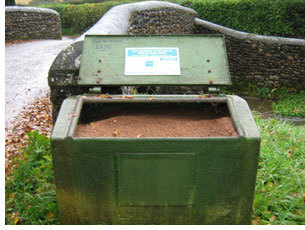
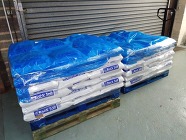
- Grit bins and salt bags
|
|
 |
If you haven't yet completed this training you can email us to sign up.
Once you've signed up you'll be able to order additional salt for your town or parish.
Please check the grit bins in your area as soon as possible; once winter service starts the amount of resource that can be diverted to filling grit bins is limited.
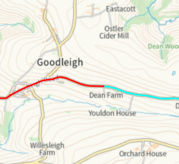
You can use our interactive map to report grit bins
 |
|
- with low salt levels
- that are damaged
- where the salt is contaminated or unusable
|
Grit bins are an expensive asset in terms of maintenance. If you think you need a new bin we will check if it is possible to re-site an existing bin (if there is evidence to suggest it isn’t being used) first.
Where there are no options to re-site existing bins and we agree a new bin is needed then then this needs to be funded through the local councillor budget (where locality budgets are not available then funding may need to come directly from the Parish or Town Council). The cost remains at £350 which covers the installation, filling and ongoing maintenance costs for the life of the grit bin.
If you would like to request a new grit bin please contact our Customer Service Centre to start the process.
If you have completed your online training you can request up to 5 tonnes of additional salt to use in your town or parish. Please only order salt if you have less than 75% of your salt stock still available.
Devon County Council will provide the additional salt free of charge, however if delivery is refused the Parish/Town Council may be asked to cover any costs incurred as a result of the refusal.
Prepare for darker mornings and evenings
- Use marked crossing points where possible. Although pedestrians may have right of way over traffic on a zebra or light controlled crossing they are still responsible for ensuring that they don’t step out onto the crossing until vehicles have stopped for them.
- Ensure your bicycle has a white front light, a red back light and a red reflector at the back.
- Select crossing points very carefully when horse riding and show courtesy to drivers who have slowed down.
- Overtake only when it is safe to do so, pass slowly and allow plenty of room when overtaking.
- Look out for each other and take care, particularly in wet or icy conditions or if there are leaves on the road.
Prepare for extreme weather
-
Listen to local radio for updates on current weather conditions and ensure you are stocked with food and medications.
-
Follow @devonalert on social media.
-
Consider if your journey is essential and be alert to weather warnings.
-
Allow additional time for your journey.
-
Never assume a road has been salted. Remember that showers or rain will wash salt off roads leaving them prone to ice, and in extreme cold even salting will not stop ice from forming.
-
Drive with care and according to the conditions. Reduce your speed and leave more space between you and the vehicle in front and leave plenty of room if you’re overtaking.
- Be alert to fallen trees and branches, particularly on minor roads where they may not have been reported.
|