|
February 2025
We want to make sure that this newsletter is as helpful and engaging as possible, so over the coming months we've been sending two different versions at random to subscribers to gather your thoughts on how the content is presented.
One has short articles with buttons to read the full article on the SEND Local Offer news webpage, the other is longer and includes more of the full story within the newsletter.
Please let us know how you prefer the content to be presented by taking part in this quick poll using the button below. There's only one question and your opinion will help shape our 'new look' newsletter!
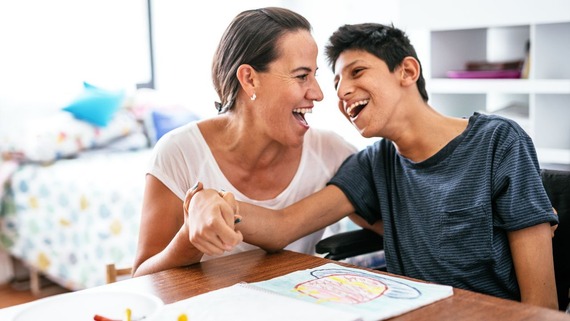
Devon County Councillors have agree a 5.5 percent increase in the budget for children’s services for the coming year, and an additional £5 million specifically for children’s social care.
Councillor Lois Samuel, Devon County Council’s Cabinet Member Children's Special Educational Needs and Disabilities (SEND) Improvement Services, welcomed the new budget, adding that council finances with regards to SEND remains very challenging, driven by demand and increasing costs.

Figures can fluctuate, but the latest data available from Devon County Council at the beginning of February gave a snapshot that showed that progress on the timeliness of assessments and reviews is being made.
Councillor Lois Samuel, Devon County Council’s Cabinet Member Children's Special Educational Needs and Disabilities (SEND) Improvement Services, said:
"It's is not a quick fix. Support for young people with SEND in Devon is a partnership responsibility, requiring everyone to do their part."

The Government has confirmed the latest new special school in Devon will open in September 2025, run by The Special Partnership Trust who already run several special schools in Cornwall and Devon.
Castlebridge School will have two sites. The main site will be in Ivybridge and a smaller hub site in Tavistock. It will provide specialist provision for 120 pupils aged between seven and 16 years old (Year 3 to Year 11) with high functioning Autistic Spectrum Condition (ASC) who are unable to access mainstream schools because of physical, medical or sensory needs or difficulties with communication, anxiety, attachment, relationships and behaviour.
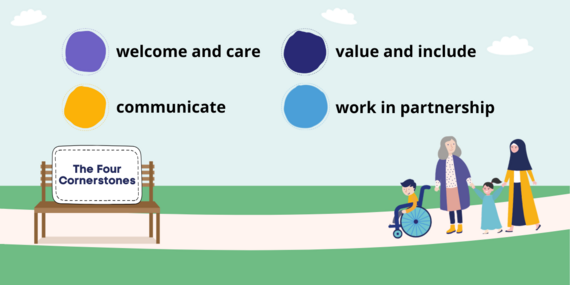
We are changing how we do things so that we can improve the outcomes and experiences for children and young people with SEND and their families in Devon.
Your voice is valuable, so to make sure we’re making the right changes, we want to hear about your experiences of our health, care and education services (including schools, colleges and other settings). The form asks you consider your experience based on The Four Cornerstones (the questions explain what these are), and share with us any comments or examples of what went well and what needed to be better.

In recent months there have been some changes in how we've asked you to contact the SEND Statutory Team. We’ve made these changes to make it easier to get a response. Here’s a reminder about the best ways to get in touch.

Earlier this year we told you about the next steps in our work to improve our systems to help our SEND Statutory Team progress EHCP requests and reviews more consistently and efficiently. Recently we've been focussing on understanding what exactly needs improving in relation to EHCP reviews so that we can design a digital system that works well.

Children and Family Health Devon has published a series of articles about invisible disabilities. The latest one see's their Equality Champions hear from Toby, a parent who is ADHD and autistic.

The second round of Devon County Council's popular Autism and Us programme kicks off in March, with a free four-week course and one-off workshops.
 We’re seeking parents’ experiences of independent special and alternative education placements in Devon
We want to make sure that all children in Devon get the best possible education and start in life. To help us to achieve that, we are asking parents and carers of young people in independent education placements or young people supported while in temporary education away from school to share their experience with us to help inform our decisions about these services in the future.
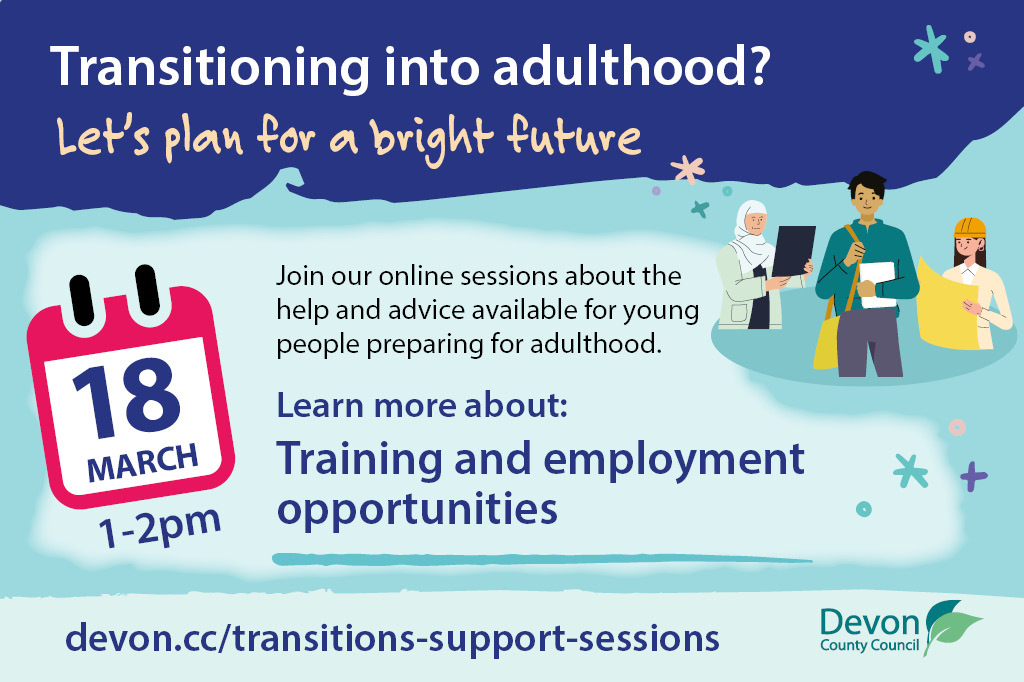
Would you like to know more about the support and advice available for young people transitioning into adulthood? Why not join one of our online support sessions? The next one is on Tuesday 18 March at 1pm, and is about training and employment opportunities.
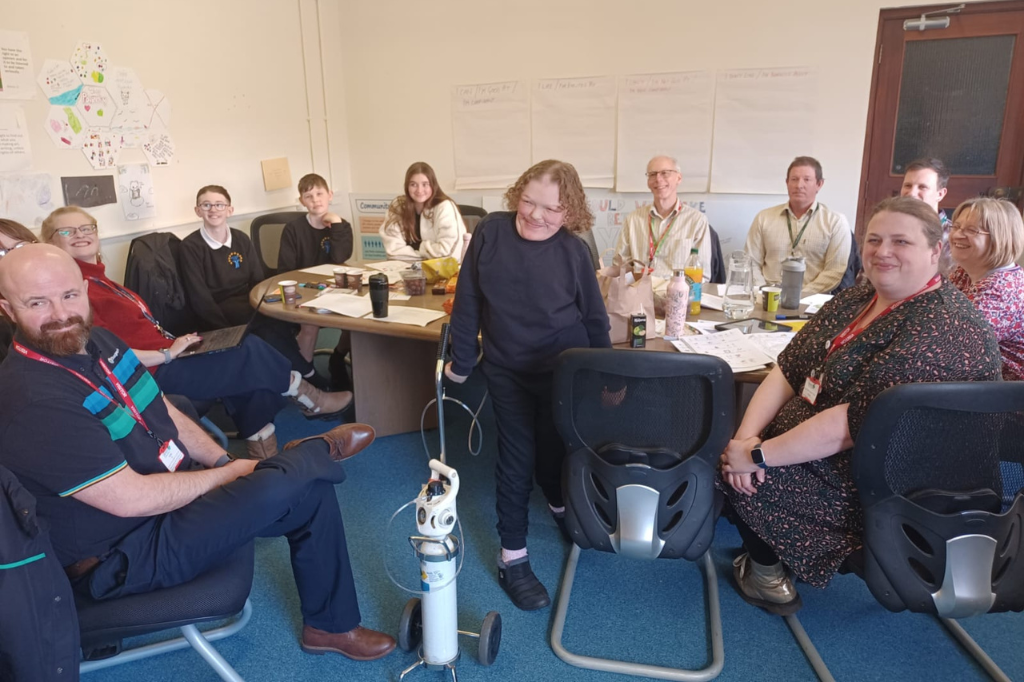
This week the Champions for Change met with members of Devon County Council transport services, professionals from Stagecoach and Devon Communities Together, to continue to their work on improving transport in Devon.
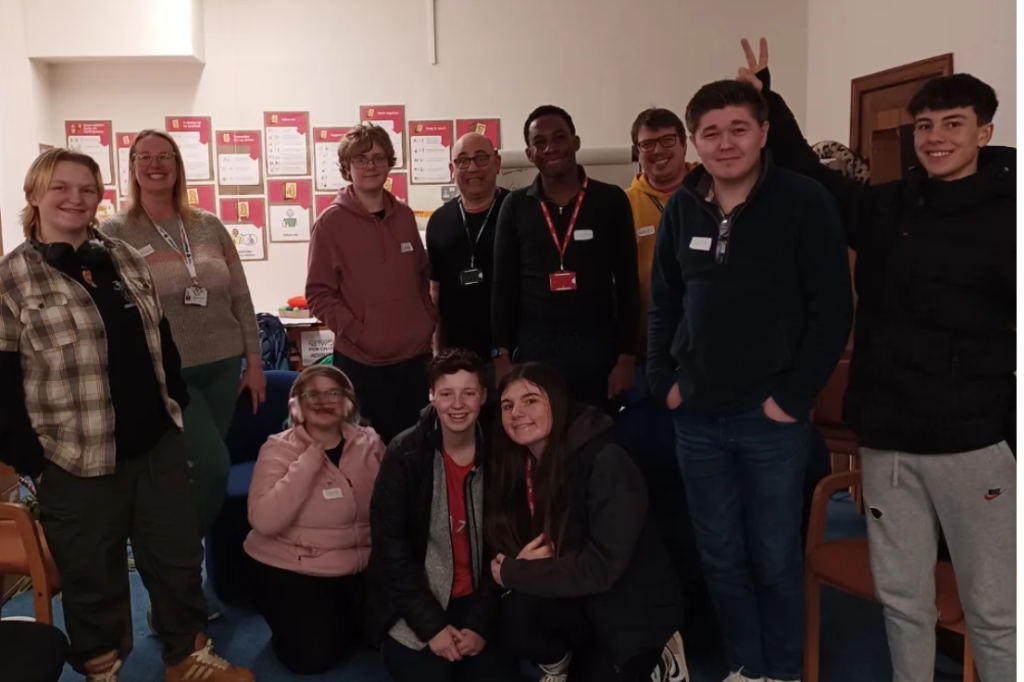
Earlier this month the Devon Youth Council had their first full meeting of the year, and members of our Network for Change were in attendance. The group were preparing for the Make Your Mark youth ballot that will take place in March, sorting through hundreds of different issues to create a shortlist of the top ten issues that most impact young people in Devon.
Devon County Council's SEND Network for Change aims to create opportunities for young people with special educational needs and disabilities (SEND) to get involved and have their voice heard! There are lots of different groups and projects going on, run by our SEND Participation Team. If you are a young person with SEND in Devon, whatever you want to say, we want to hear it!

Devon Information Advice and Support (DiAS) offer training to help parent carers understand some of the most important information and the most useful skills to develop when supporting a child with Special Educational Needs and Disabilities (SEND).
Children, young people and their families who need support with both physical and mental health will soon be able to get the help they need under one roof. This March, Children and Family Health Devon (CFHD), which provides joined up health and care services across Torbay and Devon, is co locating services that were previously held at its Bull Meadow clinic in Exeter to one site, Evergreen House on Victoria Park Road.

Safer Devon is running a free webinar to explore digital spaces that young people engage with, how these may influence their choices and expose them to risks and practical tips and guidance to support young people to keep safe.

If you enjoy our newsletters please forward this one to your family and friends and encourage them to sign up.
If there is anything you would like to see in future editions, or if you have any other feedback about this newsletter, please email .
|