 There are many actions already taking place across Devon that are successfully reducing greenhouse gas emissions, and implementing the Interim Devon Carbon Plan. Here are our picks for the month.

Exeter City Council has worked with the Devon Wildlife Trust to create a 'Wild Highway' along Topsham Road. Wildflower seeds have been sewn along the road, and grasses will be allowed to grow longer to create new habitat for pollinators, such as bees and butterflies. Creating new habitat will help to link up the city's green spaces, supporting local wildlife and nature recovery.
|
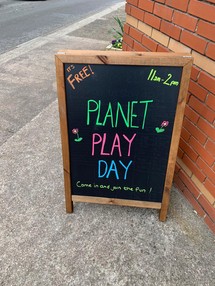
The Torbay Food Partnership, with support from Torbay council, ran a successful 'Planet Play Day' community event during the Easter holidays. The event engaged residents around food and waste issues through a range of fun, family-friendly events and activities.
Over one hundred local residents attended, and a free, healthy lunch was provided. Activities included 'junk modelling', a clothes and toy swap, discussions about energy efficiency in the home, as well as education around food waste and cooking from scratch. Event organisers received great feedback from local residents, and it is hoped that this event will pilot a new scheme of similar events across Torbay this summer.
|
This month, South Hams District Council announced new measures to reduce carbon emissions, in line with their target to become a net-zero organisations by 2030. The measures included the announcement of £500,000 to install solar panels on the four district council owned leisure centres in the area - the equivalent of decarbonising 38 households. Other actions include commitments to decarbonise their vehicle fleet, as well as plant 2.5 hectares of wildflower meadows on council land. Staff at South Hams District Council have also undertaken Carbon Literacy Training, earning them recognition as a bronze level Carbon Literate organisation.
|
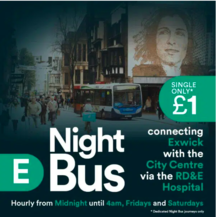
Devon County Council has teamed up with bus company Stagecoach to provide an affordable Night Bus service, connecting residential areas to Exeter city centre. With journeys from as little as £1, the new service will help reduce the need for private car use, making it easier for residents to access the city's nightlife. The bus service also provides transport to RD&E hospital, providing a safe and affordable way for hospital staff to travel at night. As transport accounts for 30% of Devon's carbon emissions, improved public transport is essential in achieving net-zero by 2050.
|
On Thursday 21st April the UK Government announced the launch of a new Natural History GCSE qualification for schools. This qualification is part of the Department for Education's new sustainability and climate change strategy, which was also released yesterday. This GCSE course will allow students to explore the world by learning about organisms and environments, environmental and sustainability issues, and gain a deeper knowledge of the natural world around them. This is an exciting opportunity to improve climate change education in the UK, and increase nationwide engagement with taking action to tackle the climate emergency. |
|
 |

|