A message from David Pearson CBE, Chair of the Social Care Sector COVID-19 Support Taskforce
It is a significant priority for all those using care services - and those of us working in or with them - to keep everyone safe, well, protected and connected, including family, friends and loved ones. Given the pernicious nature of this virus and the acute needs of those who use care services, this is a huge challenge.
That’s why the government set up the COVID-19 Social Care Support Taskforce. The more we learn about how the virus spreads and its impact on the care sector, the greater our ability to target protection for those who need it most. This includes providing access to friends and family and the essential services everyone needs.
|
|
 |
More broadly, the Taskforce takes onboard the wide-ranging views, knowledge and expertise of people with lived experience, care providers and councils in its day-to-day work. We do this to make sure funding, guidance and equipment reach the right services, in the right way, at the right time. On that point…
…back in May, the Government made the £600m Infection Control Fund (ICF) available to local authorities. Its purpose remains to implement infection control measures set out in the Care Home Support Package. This includes limiting staff movements between care settings and making sure colleagues receive full pay if they have to self-isolate.
This isn’t just about preventing outbreaks, it’s about the peace of mind and wellbeing of those going the extra mile to keep everyone safe, fit and healthy.
In my capacity as Taskforce chair, I wrote to the sector in early July and re-emphasised how vital it was that we do all we can, nationally and locally, to reduce rates of transmission.
I know the increased number of conditions placed upon Local Authorities and providers has placed a greater burden on you, as you juggle multiple demands to provide the best service. Can I say again how grateful I am for all your hard work, ingenuity and dedication as you continue to strive to keep people safe and well.
At the time of writing, around 86% of the first tranche of the ICF has been allocated to providers, with 42 local authorities distributing their full funding allocation. The second tranche was paid to local authorities on 24 July.
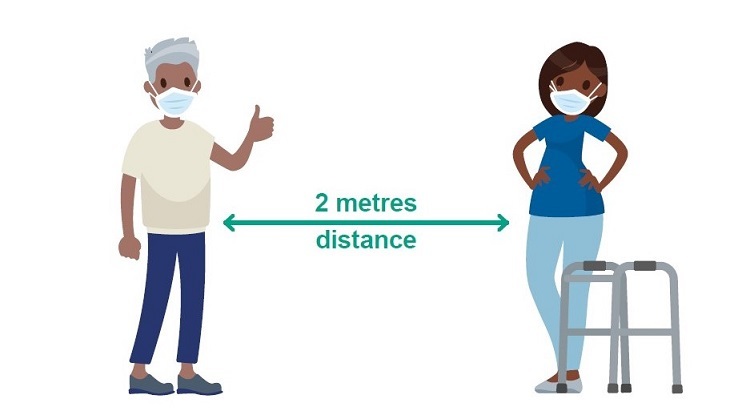
Funding aside, we know how dangerous and difficult to combat this virus remains. Even though lockdown restrictions are being eased, it hasn’t gone away. We need to maintain social distancing and all the other behaviour changes in our personal and professional lives, including use of Personal Protective Equipment (PPE). To this end, updated PPE guidance for residential and domiciliary care settings has also been recently issued.
Meanwhile, our Taskforce teams have been very busy. Colleagues from across government, LGA, ADASS, PHE, care providers and many other organisations are chairing and participating in advisory groups. I always knew there was a huge willingness to participate in the sector. I am humbled by the strength of their commitment.
The range of action is broad with many questions to be answered. How do we make sure:
- all social care staff have the flu vaccine for winter?
- the ICF is used effectively and plans are in place for the rest of the year?
- make sure there are PPE supplies for every care setting?
- local services are supported to open up day services?
- best practice is identified, celebrated and shared with struggling localities?
- guidance is timely and easy to access?
As you can well understand, time is short, but we are ambitious, and we continue to work hard to help the care sector build resilience.
The height of the pandemic may have passed, but there is much more to do to keep infection rates low and maintain the health and wellbeing of those using services and the amazing care professionals providing them.
You remain steadfast in your protection of those you care for, their friends and families – it’s important we strive to do everything we can to support your essential work as safely and effectively as possible.
|