|
|
As it's World Autism Acceptance Week, we thought we'd highlight some of the ways that Cheshire East libraries can support people with autism and other hidden and physical disabilities.
|
|
|
Almost everyone has heard of autism, but far too few people understand what it’s actually like to be autistic – both the strengths you can have and how hard life can be at times.
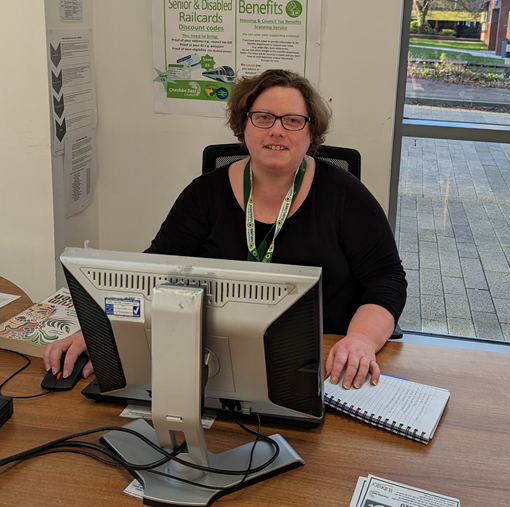
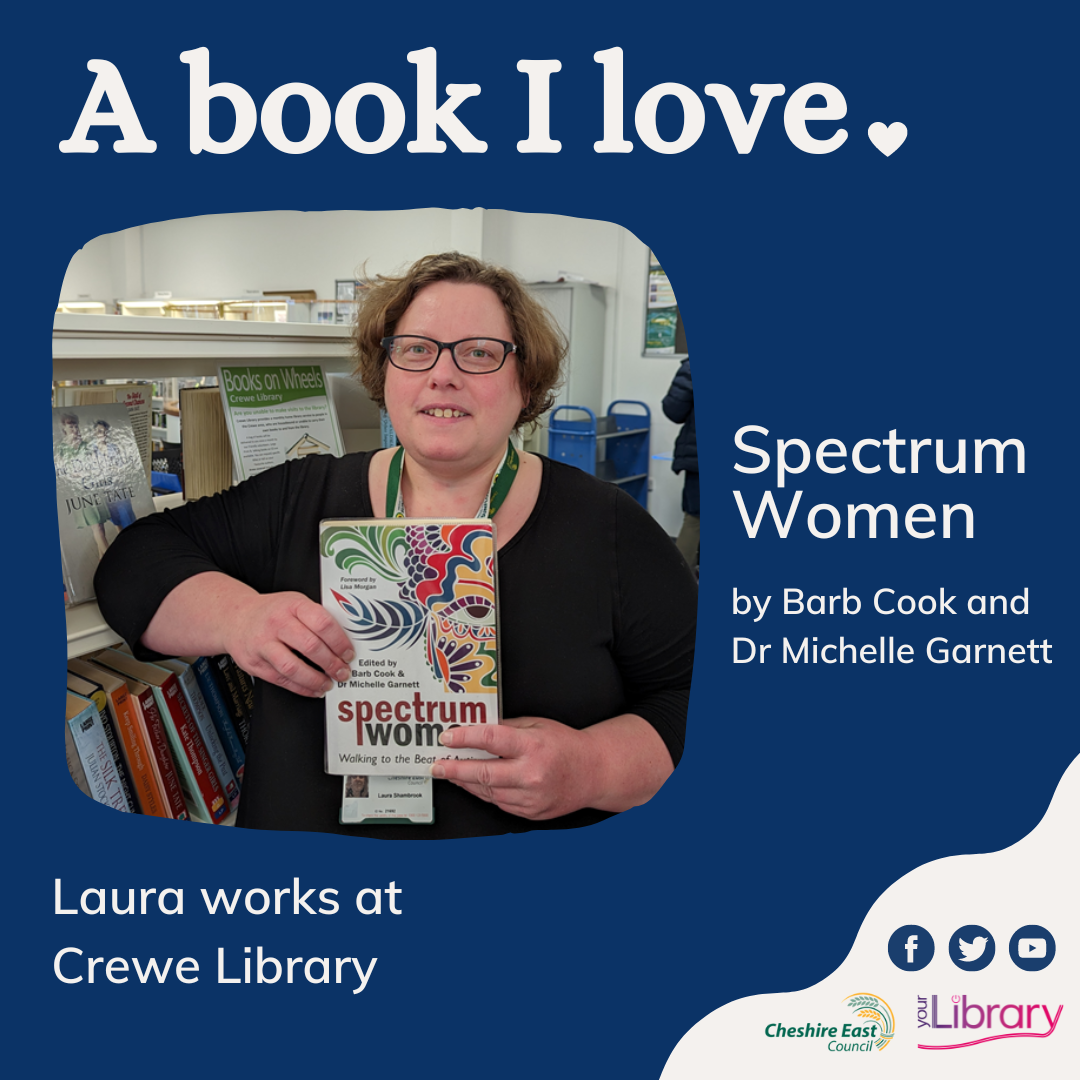
One of our library assistants, Laura, talks about her experience visiting and working in public libraries.
“I’ve always loved libraries and grew up surrounded by books at home, both bought and borrowed. As an avid reader and a firm believer in public library services, I can’t think of a better place to work!
Like me, many autistic people, diagnosed or not, are drawn to libraries, which are calming and safe spaces where a love of reading is supported and encouraged. I always felt free to express my enjoyment of books without fear of being labelled a ‘nerd’ and I felt an affinity and companionship with the other library users - it was a way for me to feel like I belonged to a community without the pressure of lots of social interactions. At the same time, it was also a place where I could observe social norms, and safely practice interactions with others. Visiting the library provided me with a structure and routine outside of school and helped me gain independence and confidence.
I’ve always found library staff to be kind and approachable, and there is a sense of inclusivity and acceptance in libraries which is particularly important to me. I remember accidentally locking my keys inside my car outside Sandbach library many years ago. In a time before mobile phones, I couldn’t call anyone to come and help me and automatically headed for the nearest safe place – the library! The librarian I spoke to couldn’t have been more helpful and reassuring, allowing me to use the library phone and then giving me a guest log in to the computers so I could kill time whilst waiting for my rescue!
Having started working in libraries in 2006, I can’t imagine wanting to be anywhere else. Many of the positive experiences of being a library customer have been repeated as a staff member. Library staff are a diverse and supportive community, who all bring unique experiences and skills to their roles. You are guaranteed to be welcomed with understanding and respect, whatever your condition, circumstances or abilities.”
|
|
|
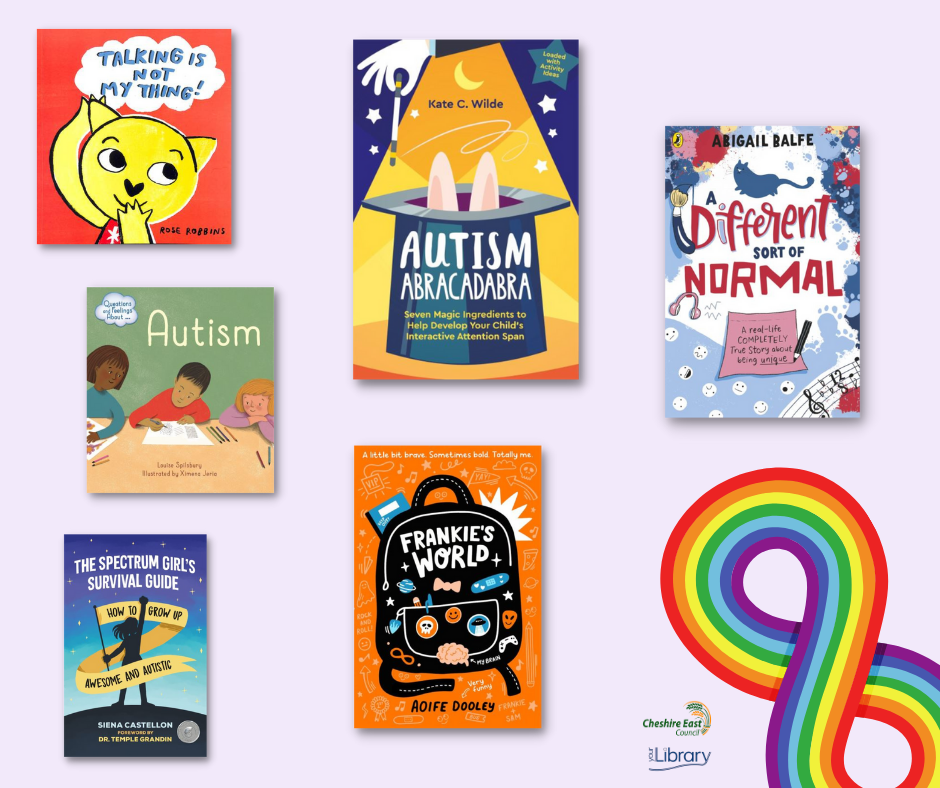
We've put together booklists of fiction and non-fiction titles for all ages.
This includes information for parents on how best to support their autistic children, and fiction and non-fiction to help children understand autism.
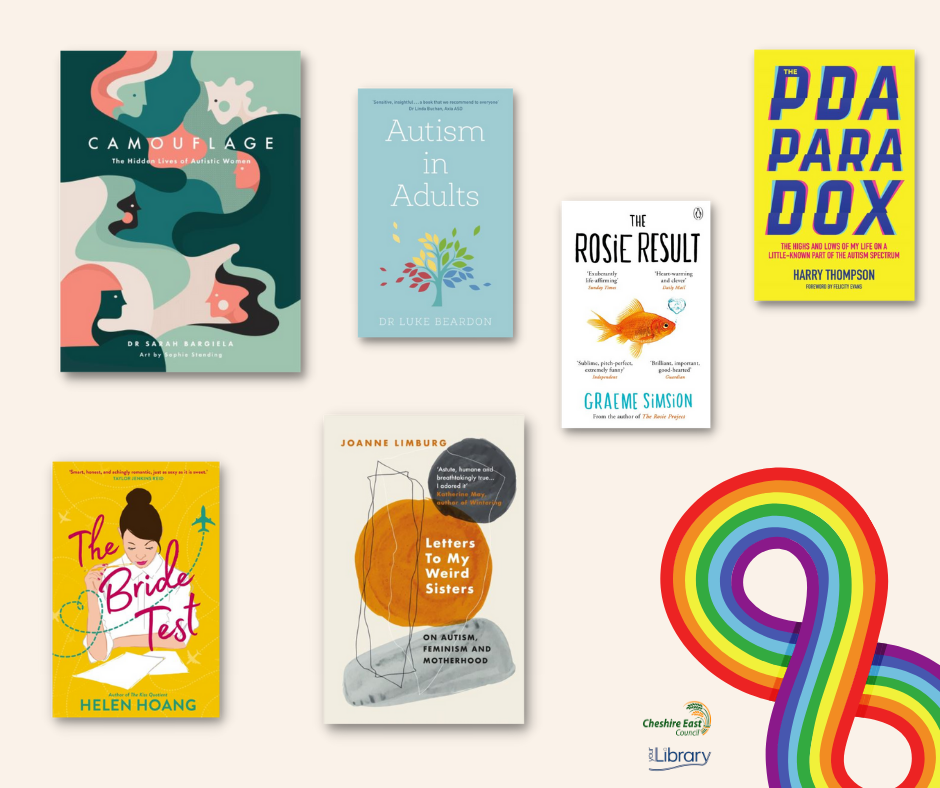 It's important to know that autism is not just a diagnosis for children, and that autistic children grow up to be autistic adults. Some people are not diagnosed with autism until well into adulthood, and this is even more prevalent among BAME groups, women and non-binary people.
|
|
Cheshire East libraries are warm, welcoming places for everyone.
We're creating social story guides for each of our libraries, including maps of the building, and these will be available on our library web pages soon.
All our libraries, apart from Prestbury, are wheelchair accessible and have a lift if on more than one floor. Libraries with public toilets also have accessible toilets, and induction loops are fitted in all meeting rooms and at many enquiry desks.
Most of our libraries have a hand-held magnifier or magnifying sheet available for use on site - just ask a member of staff for help. Some even have other assistive technology such as video magnifiers.
Our public computers have easily accessible technology such as magnifier, narrator and on-screen keyboard.
Check out your library’s webpage to discover what they offer as well as information on the nearest carpark and disabled parking to help you plan your journey. Feel free to contact your library before you visit, we’ll happily answer any questions.
|
|
|
Barb Cook and 14 other autistic women describe life from a female autistic perspective, and present empowering, helpful and supportive insights from their personal experience for fellow autistic women.
“This is one of the first books I read after finally being diagnosed as autistic at the age of 34 and it was such a wonderful experience to encounter other women like myself with similar experiences and feelings. Apart from being very readable, it contains extremely useful information on Autism Spectrum Condition in women and girls, including coping techniques and links to other resources and organisations. It was the first book on autism that I gave to my mum to read, and she found it a very useful and fascinating source of insight, which helped her to recognise and understand how autism affected me and my life. This book is a must for anyone who is autistic as well as their family and friends, it’s full of inspiring, diverse women who have found a sense of self-acceptance through diagnosis and have been able to achieve wonderful things with their lives.”
|
|
|
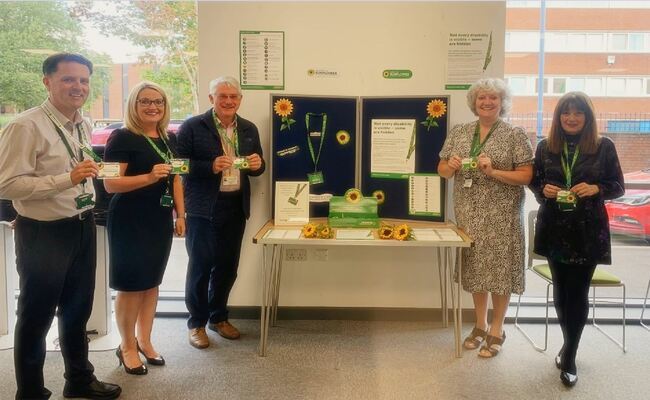
We’re proud to have introduced the Hidden Disabilities Sunflower Lanyard Scheme into our libraries.
Did you know that one in five people in the UK have a disability and 80% of these people have a hidden disability?
Each library has sunflower lanyards freely available for you to pick up and wear during your visit as a discreet way to show staff that you need extra support, help or a little more time.
The sunflower was chosen as it represents happiness, positivity and strength, while allowing those with a hidden disability to be subtly visible when they need to be.
|
|
|
Autism is not a mental health problem, but autistic and other neurodivergent people are more likely to experience mental health problems than their neurotypical counterparts.
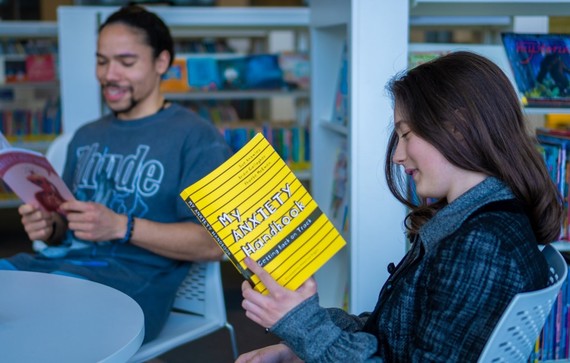
Reading Well is a national scheme that supports people to understand and manage their health and wellbeing using helpful reading. Reading Well books are all recommended by health experts, as well as people with lived experience of the conditions and topics covered and their relatives and carers. There are collections for adult, teen and children to support feelings, experiences and mental health conditions, as well as collections for dementia and a range of long term health conditions.
People with autism can also experience dyslexia, ADHD and other learning difficulties. It's important that people with learning difficulties aren’t excluded from reading.
We have lots of accessible formats available, including large print editions, Quick Reads and talking books. We provide eLending through the BorrowBox app, which digitally enables users and allows for increased text size, and eAudiobook formats for visually impaired people or users with learning disabilities. You can also access eMagazines via the Libby app and digital newspapers via Newsbank.
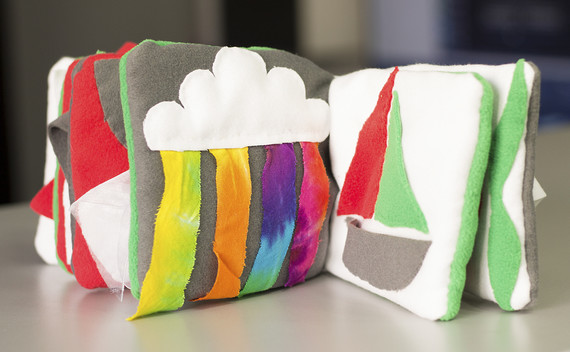 Neurodivergent children may benefit from interacting with sensory resources, which are available across our libraries. These include tactile books, pop up books, flap books, sounds books or action books. We have a collection for children with special needs at Macclesfield Library, books in Braille, and the Autism Resource Library at Sandbach Library.
People who struggle with communication may also benefit from our hearing impairment collection, which includes materials for learning BSL (British Sign Language), sign language books and Makaton resources.
Search our catalogue for resources or ask for more information at your local library. You can place a hold for any of the titles and we will notify you when the book is available for collection at your chosen library (hold fee may apply).
|
|
Home Library Service
Can’t get to the library? If you have reduced mobility and find getting to the library a struggle then one of our friendly volunteers can deliver your books to your door!
Ask your local library about their Home Library Service.
|
|
|
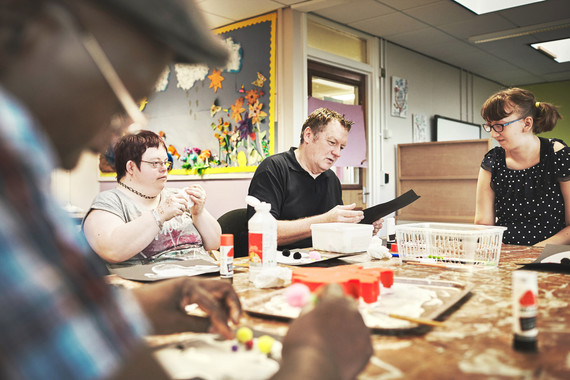
We offer a wide range of regular activities for all ages and abilities, where you can expect a warm welcome, good company and, most likely, some refreshments.
Our adult activities range from book chat and shared reading groups, to arts, crafts, creative writing and music. You can even learn a language or master a board game, or just join us for coffee and a chat.
We also run popular LEGO clubs, book groups, game clubs, craft workshops, rhyme and story times for babies, children, teens and their families.
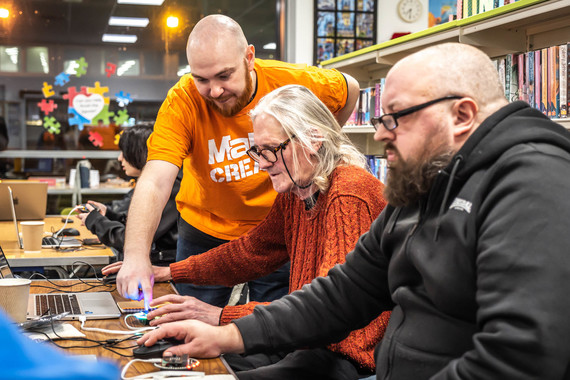
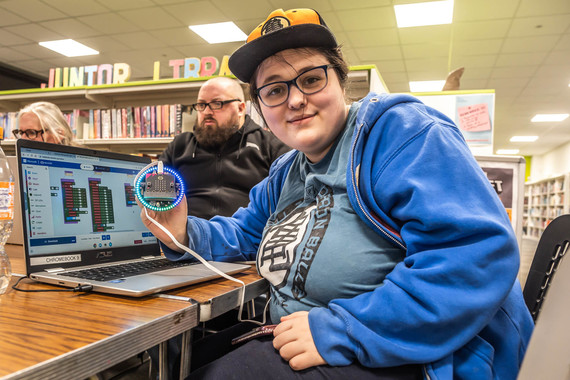
As well as our regular events, we have special events for all ages throughout the year. These range from author visits, music, poetry and theatre performances, to creative STEM projects led by digital experts. Come an learn or share a new skill, or just be entertained!
Look out for book displays, SEND events, and exhibitions and advice desks from organisations such as Seashell Trust and Space4Autism during Autism Acceptance Week.
Activities vary, so contact your library to see what they offer.
If you prefer to visit the library at a quieter time, all our activities are advertised on our library web pages so you can time your visit to avoid our busier sessions.
|
|
|
These organisations may be able to help if you need further information or support.

|
|
We hope to see you soon!
We always welcome feedback about our services. If you have enjoyed this newsletter or have any suggestions for improvement, please send us an email to libraries@cheshiresharedservices.gov.uk.
Alternatively pop into your local library and let the staff know. Thank you.
To manage your preferences, sign up for any of our other council newsletters or unsubscribe please visit Subscriber Preferences
|
|
|
|
|