 Kevin Fowler continues his Take Care of Texas
campaign
Country music star Kevin Fowler has new summer radio and TV
public service announcements (PSAs) encouraging all Texans to conserve our
natural resources and get outside to enjoy them.
Watch Kevin Fowler's PSA for a chance to win a SAMSUNG GALAZY TAB 4 provided by H-E-B!
Watch Kevin's video and email us the color of the dog in the video. One person who emails us the correct answer will be chosen at random to win. See contest details.
Smart
Irrigation Month: Don't Let the Recent Rains Fool You
Even though parts of Texas have received a lot of rain
lately, reservoir levels in South and West Texas are
still low. We need to continue to use our resources wisely to protect against
future dry spells. Since lawn and garden watering make up 30 to 50 percent of
total household water use during the summer, you can dramatically reduce water
use by improving your irrigation system.
Low-volume irrigation systems, also known as drip or trickle
irrigation, are an effective way to conserve water, improve plant growth, and
save money. Low-volume systems reduce water waste by applying water to meet
specific plant needs. Water is directed exactly where needed and not
wasted on patios, sidewalks, and streets. Plus, the rate of application is
close to the soil’s infiltration rate, so a low-volume system reduces loss
caused by evaporation. You can also reduce evaporation by watering in the
morning.
A soaker hose is one of the most basic means of low-volume
irrigation. It connects to an outdoor faucet, garden hose, or rain barrel and
has small holes that provide enough water to slowly soak the soil. A soaker
hose can be moved to various locations as needed but is best for small areas.
If you use an above ground irrigation system, try programming it
to split runtimes into shorter cycles. This method allows more time for water
to soak into the soil than if you apply water all at once. Cycle watering is
especially beneficial on compacted or clay soils. Also be sure to check your
sprinkler heads regularly for clogs and leaks, and repair as needed.
No matter what system you use, make sure to comply with your
local water system’s water-use restrictions. For more information, download or order
free copies of the Take Care
of Texas Guide to Landscape Irrigation.
Treated
Wood - Rustic or Risky?
While we encourage you to reuse and repurpose materials to
reduce waste, be cautious of reusing wood in and around your home. If you are
buying or building a new home, deck, or furniture, find out about the wood’s
origins and preservatives. You might be surprised.
Since insects and mold can damage wood over time, wood is often
treated with chemicals to preserve it. Treated wood is commonly used for
telephone poles, railroad ties, decks, play structures, and raised garden beds
and is sold with end-tags or stamps that identify the type of preservatives
used on the wood. If you don’t see a label or stamp, ask the retailer or
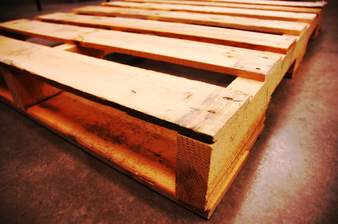
builder. Some wooden pallets have been treated with chemicals, so DIY-ers
should pay attention to the wood source. Even if not chemically treated, the
pallets may have transported food or materials sprayed with pesticides or other
toxins.
For decades prior to 2004, Chromated Copper Arsenate (CCA) was
the primary wood preservative for most residential and general consumer
construction. CCA can irritate your skin, affect your health, and leach into
soil. Avoid growing edible plants in soil near treated wood, and keep children
and pets from playing near the treated wood.
CCA is now being phased out and replaced by arsenic-free
alternatives such as Alkaline Copper Quaternary (ACQ), Borates, and Copper
Azole. These arsenic-free alternatives are still chemicals with potential
adverse effects, so the U.S. Environmental Protection Agency (EPA) offers alternative building materials to avoid
treated wood entirely.
If you already have treated wood in and around your home, and
depending on the chemicals used to treat it, consider using oil-based,
semi-transparent stains on the treated wood that can act as a barrier between
the chemical and the surrounding environment. Nonpenetrating stains are not
recommended for outdoor surfaces, because subsequent flaking and peeling may
expose preservatives. You should always wear protective gloves when applying
sealant, and never burn treated wood. Toxic chemicals can be released in the
smoke.
You can find more information in the U.S. Consumer Product
Safety Commission’s article on CCA-Pressure Treated Wood and
general pesticide information at the National Pesticide Information Center website.
|