|
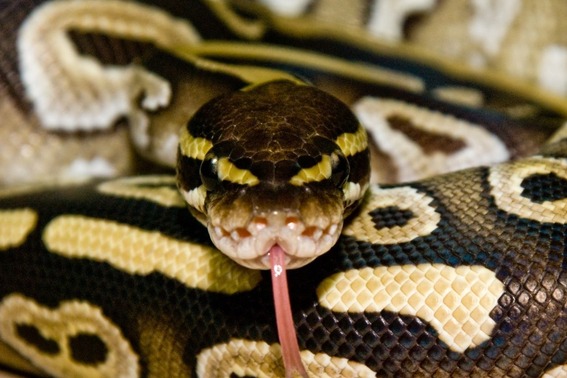 Critter Highlight - Ball Python (Serpentes Pythonidae)
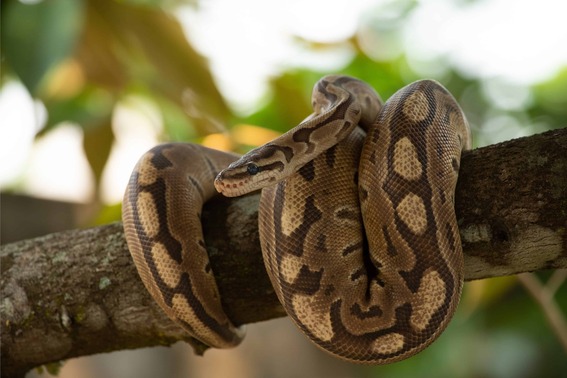
One of the many varieties of snakes available here at Living Science is the Ball Python.
Many Python species are popular to keep as pets due to their ease of care, docile temperament, and vibrant colors.
As with all of our snakes, they are non-venomous. That means that IF they are provoked, and bite, they do NOT have poisonous venom that can kill you.
Ball pythons are typically nocturnal, meaning that they are active during dusk, dawn, and/or nighttime.
Here are a few interesting facts about Ball Pythons:
- The name Python was proposed by Francois Marin Daudin in 1803 for non-venomous snakes with a flecked skin and a long split tongue.
- In Africa, pythons are native to the tropics south of the Sahara, but not in the extreme south-western tip of Southern Africa or in Madagascar.
- Python skin is used to make clothing, such as vests, belts, boots, and shoes, or fashion accessories such as handbags.
For more information about this and other animals, click on this student safe resource.
These slinky long critters are available through the Living Science Material Center Co-Op page to study and borrow as a classroom visitor.
Our K-12 Science Consultant, Lisa Soll, has produced two reference documents that align the TEKS Resource System units of instruction (K-8, Biology, Anatomy & Physiology, and Environmental Science) with resources available through the ESC Region 20 Living Science Center.
The resource is linked in the IFD under the 'Resources' tab for grades K-8, Biology, A&P, and Environmental Science, and it can be found here as well; Science Crosswalk.
The second crosswalk document paired with the Living Science Center is the Bluebonnet Learning K-5 RLA Crosswalk. This aligns available resources from Living Science to the appropriate units for these 6 elementary grade levels! The link can be found here; K-5 RLA Bluebonnet.
|
|
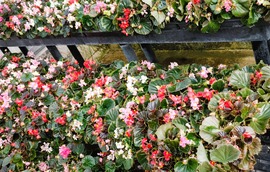
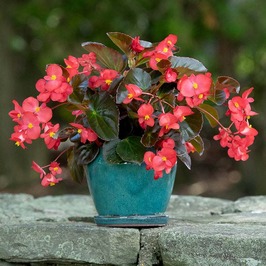
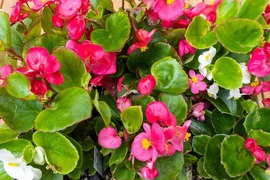
This month's spotlight is on the "Begonias".
Begonias are a type of flowering plant that belongs to the family of Begoniaceae. It is closely related to melons, cucumbers and pumpkins. Begonia grows in tropical and subtropical climates. It also grows well in partially shaded areas.
Begonias are used in the classroom to teach students about botany, which is also called plant science.
Begonia Facts:
- They can grow from 8 inches to 2 feet in height, depending on the species.
- They have succulent stem, designed for storing water, which is used during the dry periods of the year.
- Begonia is often cultivated because of its dense ornamental foliage (it's pretty). It develops large, asymmetric leaves.
- Begonia is a monoecious plant, which means that one plant develops individual male and female flowers.
- It produces dry fruit known as winged capsule. It splits lengthwise to release numerous miniature seed, which is so small it resembles dust.
- Begonia can be propagated via seeds, leaf- and stem-cuttings or via tuberous root.
- Besides in decorative purposes, they were used for the polishing of swords in the past.
|
|
About Living Science

Our goal is to positively impact classroom curriculum through high quality materials and customer service.
For PUBLIC and PRIVATE/CHARTER school districts that have joined our CO-OP PROGRAM, the Living Science Center provides a variety of materials such as living organisms and non-living items giving teachers the ability to integrate into their lessons creating a fun, hands-on learning experience for students.
|
Living Science Shade House & Greenhouse
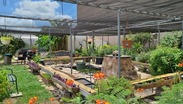
The Living Science Shade House is located behind building 2. The focal point of the Shade House is the Turtle Pond which is the home to over 40 Red Slider Turtles. These turtles are checked out on a 2 week basis to those schools which are members of our CO-OP PROGRAM.
|
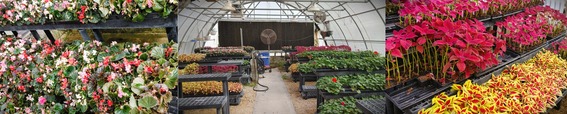
Next to the Turtle Pond is the Greenhouse. Here we house various plants which we provide to our clients. They include Geraniums, Begonias, and two varieties of Coleus.
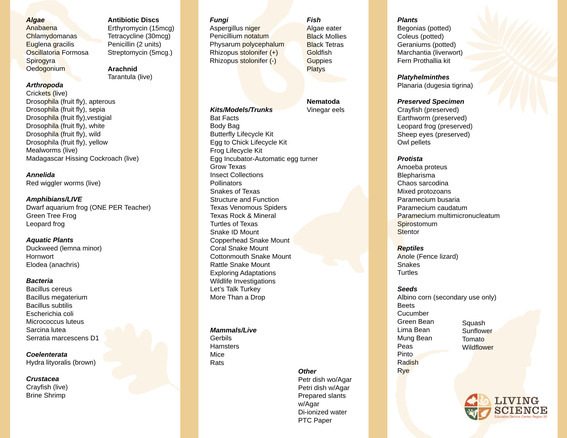
Available Materials
 Orders must be placed ONLINE before 3 p.m., 48 hours prior to delivery or 24 hours prior to pickup.
Labor Day, September 2
Thanksgiving, November 27-29
Winter Break, December 23-January 3
M.L. King Day, January 20
Spring Break, March 10-14
Good Friday, April 18
Battle of Flowers, May 2
Memorial Day, May 26
Independence Day, July 4
Holiday Cut Off Dates Reminder
End of Year (Summer Break)
The last day to order any 2 week check out for any item before End of Year will be Friday, May 9, 2025
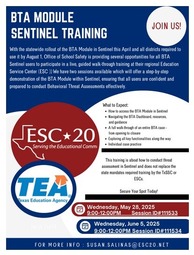
UPCOMING CENTER TRAINING
SAVE THE DATES!
 |
|
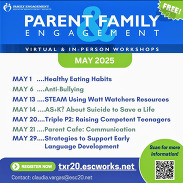
PARENT & FAMILY ENGAGEMENT WORKSHOPS
REGISTER HERE
|
|
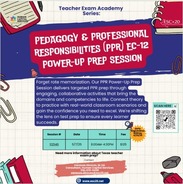
TEACHER EXAM ACADEMY SERIES: PEDAGOGY AND PROFESSIONAL RESPONSIBILITIES POWER-UP
SESSION #112546
|
|
 |
 |
|
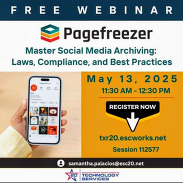
MASTER SOCIAL MEDIA ARCHIVING: LAWS, COMPLIANCE, AND BEST PRACTICES
SESSION #112577
|
|
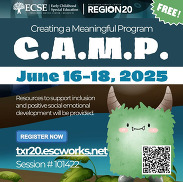
CREATING A MEANINGFUL PROGRAM (C.A.M.P.)
SESSION #101422
|
|
 |
 |
|
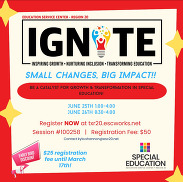
IGNITE CONFERENCE 2025
SESSION #100258
|
|
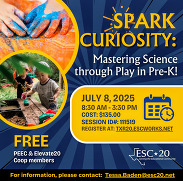
SPARK CURIOSITY
SESSION #111519
|
|
 |
|
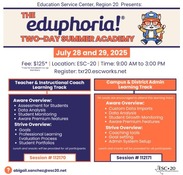
THE EDUPHORIA! TWO-DAY SUMMER ACADEMY
SESSION #112170
SESSION #112171
|
|
 |
 |
|
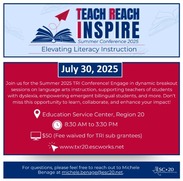
TEACH REACH INSPIRE SUMMER CONFERENCE 2025
SESSION #109301
|
|
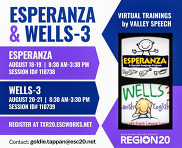
ESPERANZA & WELLS-3 VIRTUAL TRAININGS BY VALLEY SPEECH
ESPERANZA SESSION #110738
WELLS-3 SESSION #110739
|
|
 |
|
|
Deliveries & Returns Information
Living materials are delivered within Region 20 by the ESC-20 Living Science Van on a weekly basis. Non Region 20 schools should check with their Regional Service Centers for delivery schedule.
|
|
|
|
|