|
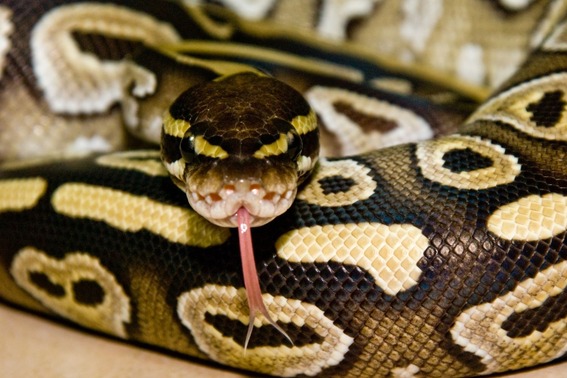 Critter Highlight - Snakes (Reptilia)
Snakes are elongated, limbless, carnivorous reptiles. Snakes are ectothermic, which means that they control their body temperature by moving in and out of direct sunlight. They are covered in overlapping scales with colors that help to camouflage or hide them from predators as well as prey.
Here are a few interesting facts about snakes:
- Snakes have no feet (which saves them lots of money from buying socks and shoes). They move by undulating and arching the bones in its back and pushing against the ground.
- Snakes have flexible jaws that allow them to eat things much wider than their narrow bodies.
- Since snakes bodies are long and slender, their organs do not sit side by side like ours. Theirs are one after another in a row or segments.
These long, lanky critters are available to check out for a 2-week period through the Living Science Material Center Co-op page to help enhance teaching activities, or just to have as a temporary visiting classroom pet.
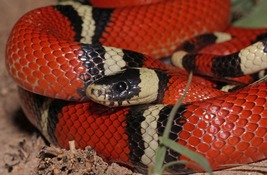
Types of snakes for borrowing:
Living Science currently houses more than 40 snakes in the various types listed here: Ball Python, Corn snake, Rat snake, King snake, Milk snake, and Boa Constrictor
Snakes are delivered to your school in large containers with bedding and a little water. Please add water per instructions on top of container. The black strap will need to stay hooked across the top of the container to keep snakes from escaping.
All of our snakes are non-venomous. For the venomous varieties, we have available a collection of Snake mounts or models that are available for check-out.
|
|
|
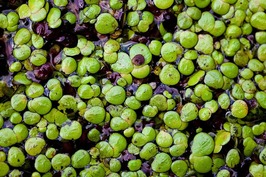
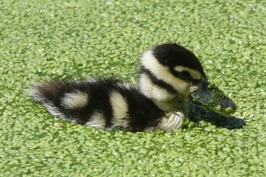
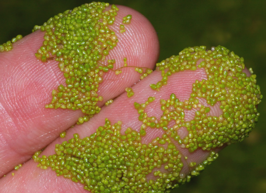
This month's spotlight is on "Lemna Minor" or "Duckweed".
The common duckweed, whose scientific name is Lemna minor, grows on the surface of waters as a free-floating plant. One of the most interesting facts is that it lacks stem, leaves, and roots (in some species), which are characteristic features of a true flowering plant. Though it causes some potential problems in ponds and other freshwater bodies due to rapid growth, this aquatic plant has several benefits, such as water filtration, algae control, water aeration, food source, and provide shade and protection.
If you notice small green plants that cover the surface of garden ponds or stagnant swamps, most likely it's duckweed. Most adapted in stagnant water bodies like swamps or ponds, it can also grow in slow-moving or quiet streams.
Interesting facts about Duckweed:
- It is a source of food for water fowl and many other aquatic inhabitants.
- It contains more than 35 percent protein and many other plant pigments and trace minerals.
- According to researchers, duckweed doubles its amount within two days, provided that the organic nutrient content is high, and growth conditions are favorable.
- Duckweed in the wild, if not controlled, will cover the water surface and block sunlight. As a consequence, aquatic plants, insects, and fish are deprived of light. Also, the oxygen supply is reduced significantly, which over time, causes the fish to suffocate and die.
|
|
About Living Science

Our goal is to positively impact student learning through high quality materials & customer service.
For PUBLIC and PRIVATE/CHARTER school districts that have joined our CO-OP PROGRAM, the Living Science Center provides a variety of materials such as living organisms and non-living items giving teachers the ability to integrate into their lessons creating a fun, hands-on learning experience for students.
|
Living Science Shade House & Greenhouse
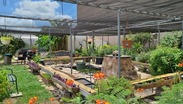
The Living Science Shade House is located behind building 2. The focal point of the Shade House is the Turtle Pond which is the home to over 40 Red Slider Turtles. These turtles are checked out on a 2 week basis to those schools which are members of our CO-OP PROGRAM.
|
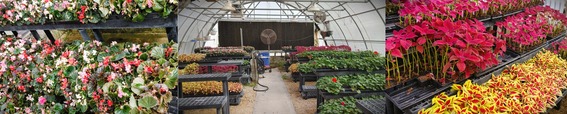
Next to the Turtle Pond is the Greenhouse. Here we house various plants which we provide to our clients. They include Geraniums, Begonias, and two varieties of Coleus.
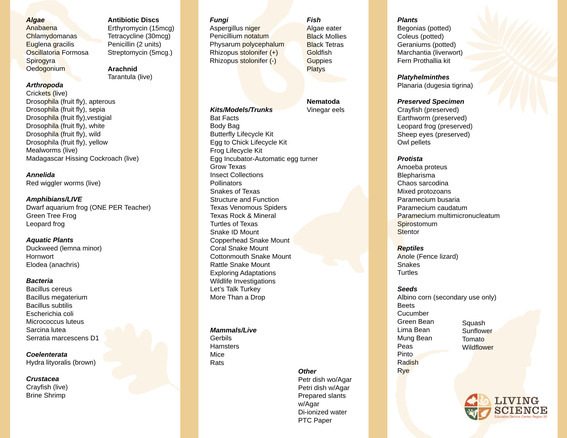
Available Materials
 Orders must be placed ONLINE before 3 p.m., 48 hours prior to delivery or 24 hours prior to pickup.
Labor Day, September 2
Thanksgiving, November 27-29
Winter Break, December 23-January 3
M.L. King Day, January 20
Spring Break, March 10-14
Good Friday, April 18
Battle of Flowers, May 2
Memorial Day, May 26
Independence Day, July 4
Holiday Cut Off Dates Reminder
Thanksgiving Break
The last day to order any 2 week check out animals before Thanksgiving Break will be Friday, November 8, 2024. We will resume deliveries on Tuesday, December 3, 2024.
Winter Holiday Break
The last day to order any 2 week check out animals before Winter Holiday Break will be Friday, December 6, 2024. We will resume deliveries on Tuesday, January 7, 2025.
Spring Break
The last day to order any 2 week check out animals before Spring Break will be Friday, February 21, 2025. We will resume deliveries on Tuesday, March 18, 2025.
End of Year (Summer Break)
The last day to order any 2 week check out for any item before End of Year will be Friday, May 9, 2025
UPCOMING CENTER TRAINING
SAVE THE DATES!
 |
|
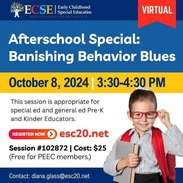
SESSION #102872
VIRTUAL: AFTERSCHOOL SPECIAL: BANISHING BEHAVIOR BLUES
|
|
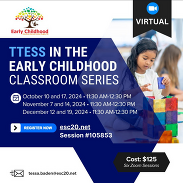
SESSION #105853
VIRTUAL: TTESS IN THE EARLY CHILDHOOD CLASSROOM SERIES
|
|
 |
 |
|
SESSION #100573
TOGETHER WE THRIVE: CAREGIVER & TEACHER AUTISM SYMPOSIUM
|
|
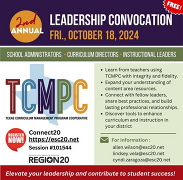
SESSION #101544
TCMPC, TEKS RESOURCE SYSTEM LEADERSHIP CONVOCATION
|
|
 |
 |
|
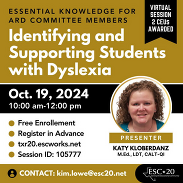
SESSION #105777
TLS PROFESSIONAL DEVELOPMENT: IDENTIFYING AND SUPPORTING STUDENTS WITH DYSLEXIA
|
|
SESSION #102661
ESCE/CHILD FIND CONTACT MEETING
|
|
 |
 |
|
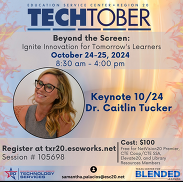
SESSION #105698
BOS PROFESSIONAL DEVELOPMENT
TECHTOBER 2024: BEYOND THE SCREEN
|
|
SESSION #98762
CRUCIAL CONVERSATIONS TRAINING
|
|
 |
 |
|
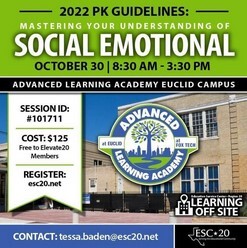
SESSION #101711
MASTERING YOUR UNDERSTANDING OF SOCIAL EMOTIONAL
|
|
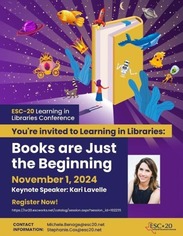
SESSION #102235
LEARNING IN LIBRARIES CONFERENCE
|
|
 |
 |
|
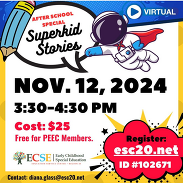
SESSION #102671
ECSE AFTERSCHOOL SPECIAL: SUPERKID STORIES
|
|
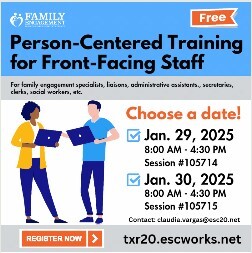
SESSION #105714
PERSON-CENTERED TRAINING FOR FRONT-FACING STAFF
|
|
 |
 |
|
SESSION #105627
4 THE LOVE OF LEARNING - CORE CONTENT CONFERENCE
|
|
SESSION #100360
THE O.N.E. CONFERENCE FOR EARLY CHILDHOOD/ECSE 2025
|
|
 |
|
|
Deliveries & Returns Information
Living materials are delivered within Region 20 by the ESC-20 Living Science Van on a weekly basis. Non Region 20 schools should check with their Regional Service Centers for delivery schedule.
|
|
|
|
|