|
 Critter Highlight - Goldfish (Carassius auratus)
The goldfish is a member of the carp and minnow family. While goldfish were mostly golden one thousand years ago, they now come in a variety of colors, including orange, yellow, white, black, silver, olive-green, or greenish-brown and combinations of these colors.
Goldfish have been intentionally introduced for ornamental purposes to ponds, fountains, and small lakes.
Goldfish Facts:
- Goldfish might be stunned if they are housed in tanks that are too small for them. When kept in the correct conditions, goldfish can grow to be over a foot long.
- Goldfish constantly have both eyes open because they do not have eyelids. (NOTE: Never engage them in a staring contest!)
- The goldfish lacks a stomach. Instead, they have a long intestinal tract that functions in the same way.
These little swimmers are available to order through the Living Science Material Center Co-op page to help enhance teaching activities, or even just to have as a classroom pet.

|
|
 Rocks and Minerals Kit
|
This month's spotlight is on the Rocks and Minerals Kit. This is a 2-week check-out item for your classroom.
Kit includes:
- 15 labeled rocks
- fossil sample with magnifying glass
- Student activity worksheets
- National Geographic Kids "Rocks and Minerals" Level 2 book
- Texas Rocks and Minerals, An Amateur's Guide book
- A 30-minute DVD titled "The Rock Art of Texas" from the Texas Parks and Wildlife Department
Geologists divide rocks into three large groups:
- Lava or magma form "Igneous" rock
- Changes in pressure or heat create "Metamorphic" rock
- Water and wind create "Sedimentary" rock
Water, wind, earthquakes, cold, and heat scour, fracture, move, or melt rock. Rock is continuously being changed, rebuilt, or recycled by the forces of the Earth.
Rock reveals millions of years of events and change. Embedded fossils provide a picture of the environment at the time the rock was formed.
|
|
About Living Science
Our goal is to positively impact student learning through high quality materials & customer service.
For PUBLIC and PRIVATE/CHARTER school districts that have joined our CO-OP PROGRAM, the Living Science Center provides a variety of materials such as living organisms and non-living items giving teachers the ability to integrate into their lessons creating a fun, hands-on learning experience for students.
|
Living Science Shade House & Greenhouse
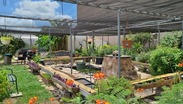
The Living Science Shade House is located behind building 2. The focal point of the Shade House is the Turtle Pond which is the home to over 40 Red Slider Turtles. These turtles are checked out on a 2 week basis to those schools which are members of our CO-OP PROGRAM.
|
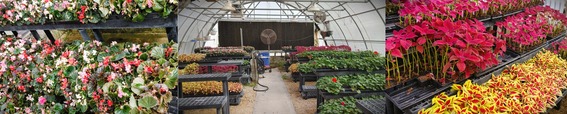
Next to the Turtle Pond is the Greenhouse. Here we house various plants which we provide to our clients. They include Geraniums, Begonias, and two varieties of Coleus.
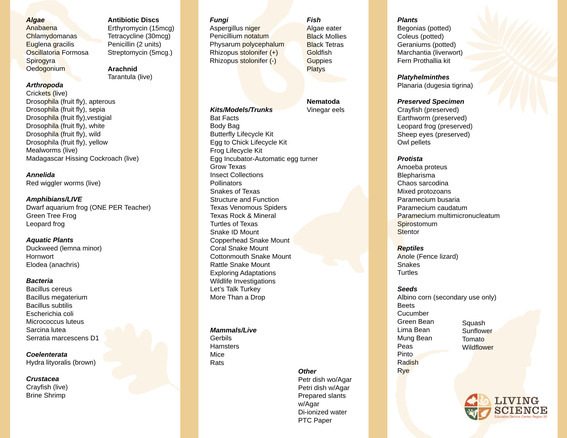
Available Materials
 Orders must be placed ONLINE before 3 p.m., 48 hours prior to delivery or 24 hours prior to pickup.
|
|
Labor Day, September 4
Thanksgiving, November 22-24
Winter Break, December 20-January 2
M.L. King Day, January 15
Spring Break, March 11-15
Good Friday, March 29
Battle of Flowers, April 26
Memorial Day, May 27
Independence Day, July 4
Summer Break Reminder
End of Year (Summer Break)
The last day to order any 2-week check out materials before End of Year will be Friday, May 10, 2024.
UPCOMING CENTER TRAINING
SAVE THE DATES!
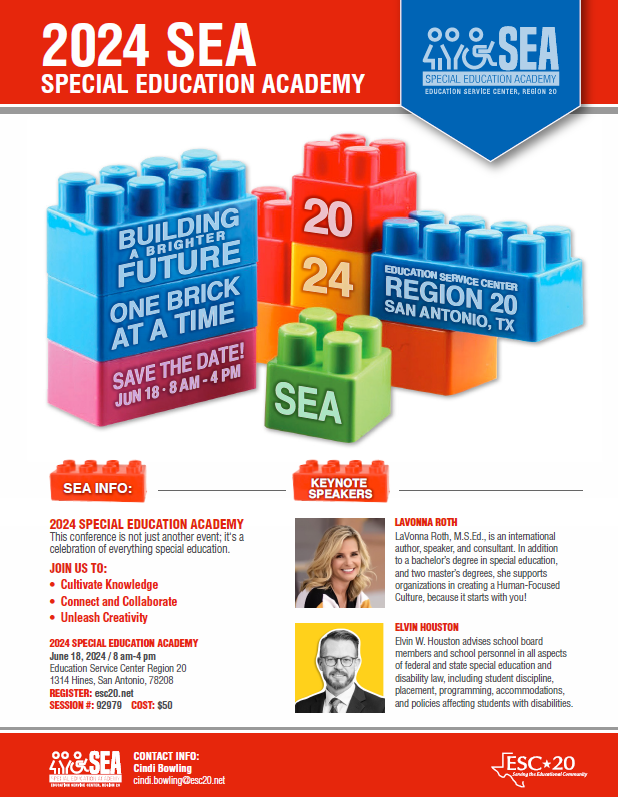 SESSION #92979 2024 Special Education Academy
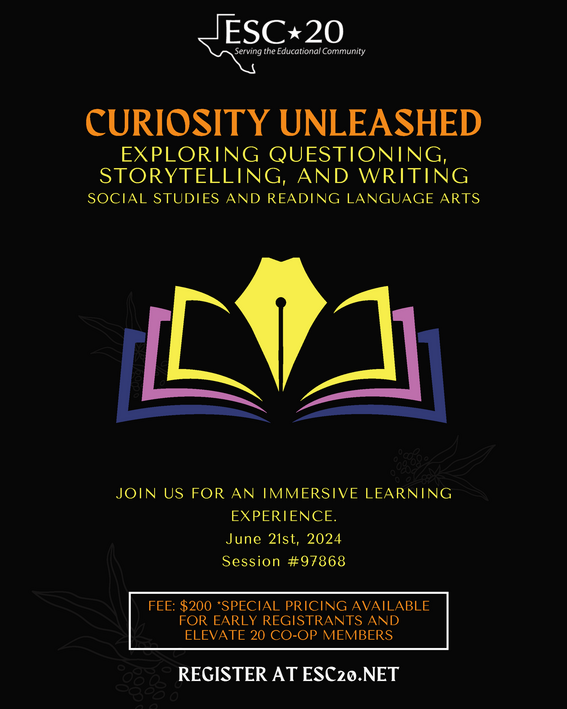 SESSION #97868 Curiosity Unleashed
 SESSION #92997 Math & Science Conference
|
|
Deliveries & Returns Information
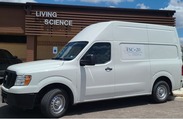
Living materials are delivered within Region 20 by the ESC-20 Living Science Van on a weekly basis. Non Region 20 schools should check with their Regional Service Centers for delivery schedule.
|
|
|
|