|
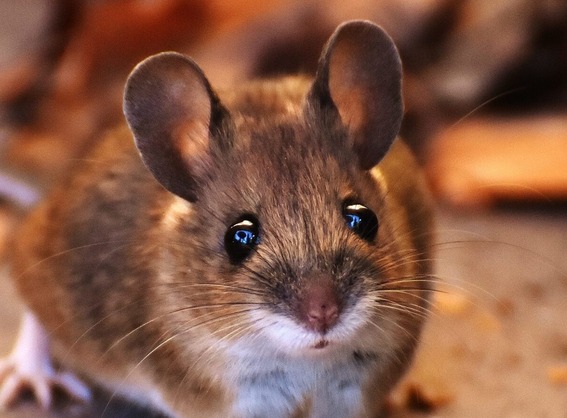 Critter Highlight - Mice (Mus musculus)
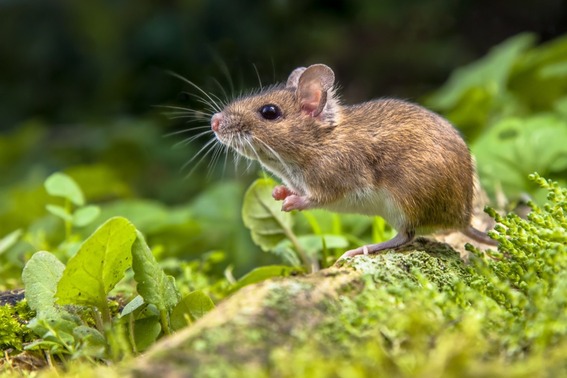
A mouse (plural mice) is a rodent, which is a kind of mammal. Characteristically, mice are known to have a pointed snout, small rounded ears, a body-length scaly tail, and a high breeding rate. (They've also been known to promote large amusement parks, primarily in California and Florida!)
The best-known strain of mouse is the white lab mouse. It has more uniform traits that are appropriate to its use in research.
Since they are in abundance in the wild, many animals use them as a source of food including cats, wild dogs, foxes, birds of prey and snakes.
In the wild, mice are known to build intricate burrows. These burrows have long entrances and are equipped with escape tunnels. In at least one species, the architectural design of a burrow is a genetic trait.
Mice Facts:
- Mice are rodents, therefore they are related to squirrels, rats, and beavers.
- Mice eat weeds, seeds, berries, and virtually anything that is close to their mouth, including walls, clothes, and your favorite pair of shoes. :)
- Mice are often used in science experiments, and also popularly kept as pets.
- Mice are careful groomers and as pets they never need bathing!
|
|
 Butterfly Life Cycle Kit
|
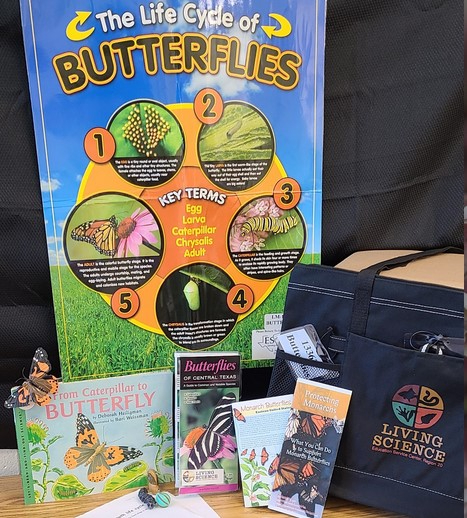
This month's spotlight is on the Butterfly Life Cycle Kit. This is a 2-week check-out item for your classroom.
Kit includes:
- Plastic bag containing Life Stage Models
- Butterfly Life Cycle Poster
- 1 Butterfly book titled "From Caterpillar to Butterfly"
- a "Protecting Monarchs" brochure
- a "Butterflies of Central Texas" quick reference pamphlet
- 30 pages of activity sheets for various grade levels
This kit explores many aspects of butterflies, their life cycle, environment, and many different beautiful varieties.
Interesting Facts about Butterflies
- Butterflies were the last major group of insects to appear on the planet. They are believed to have evolved from moths in the latest Cretaceous or the earliest Cainozoic period.
- Like moths, butterflies have four wings covered with tiny scales. When a butterfly is not flying, its wings are usually folded over its back.
- Butterflies go through "complete metamorphosis", meaning that there are four parts in a butterfly's life. First as an egg, then a caterpillar or larva, then chrysalis or pupa, and finally into the adult or butterfly.
- The caterpillar stage will molt four to five times before turning into a pupa. Each part between molts is called an instar.
|
|
About Living Science
Our goal is to positively impact student learning through high quality materials & customer service.
For PUBLIC and PRIVATE/CHARTER school districts that have joined our CO-OP PROGRAM, the Living Science Center provides a variety of materials such as living organisms and non-living items giving teachers the ability to integrate into their lessons creating a fun, hands-on learning experience for students.
|
Living Science Shade House & Greenhouse
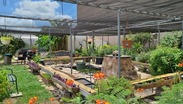
The Living Science Shade House is located behind building 2. The focal point of the Shade House is the Turtle Pond which is the home to over 40 Red Slider Turtles. These turtles are checked out on a 2 week basis to those schools which are members of our CO-OP PROGRAM.
|
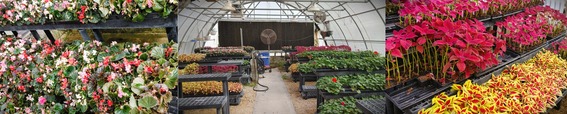
Next to the Turtle Pond is the Greenhouse. Here we house various plants which we provide to our clients. They include Geraniums, Begonias, and two varieties of Coleus.
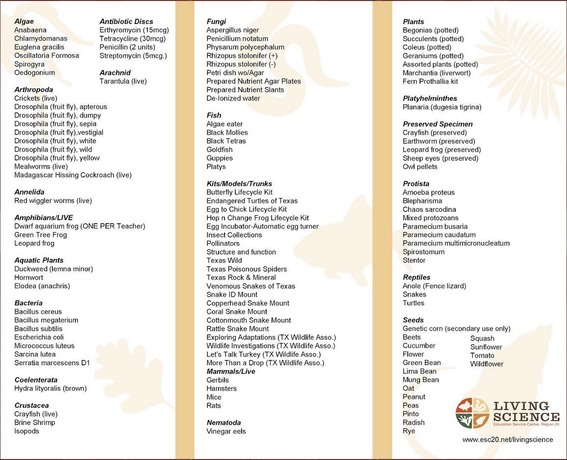
Available Materials
 Orders must be placed ONLINE before 3 p.m., 48 hours prior to delivery or 24 hours prior to pickup.
|
|
Labor Day, September 4
Thanksgiving, November 22-24
Winter Break, December 20-January 2
M.L. King Day, January 15
Spring Break, March 11-15
Good Friday, March 29
Battle of Flowers, April 26
Memorial Day, May 27
Independence Day, July 4
Holiday Cut Off Dates Reminder
End of Year (Summer Break)
The last day to order any 2 week check out animals before End of Year will be Friday, May 10, 2024.
UPCOMING CENTER TRAINING
SAVE THE DATES!
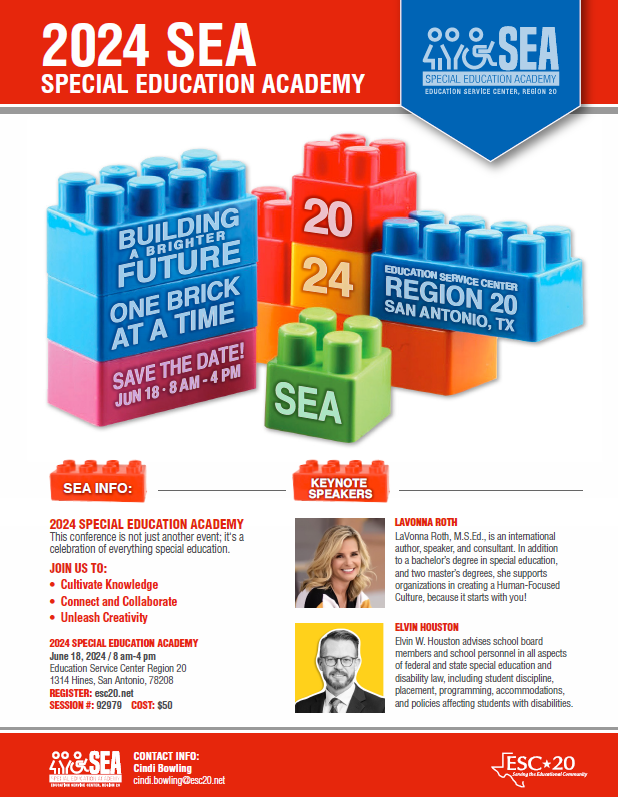 SESSION #92979 2024 Special Education Academy
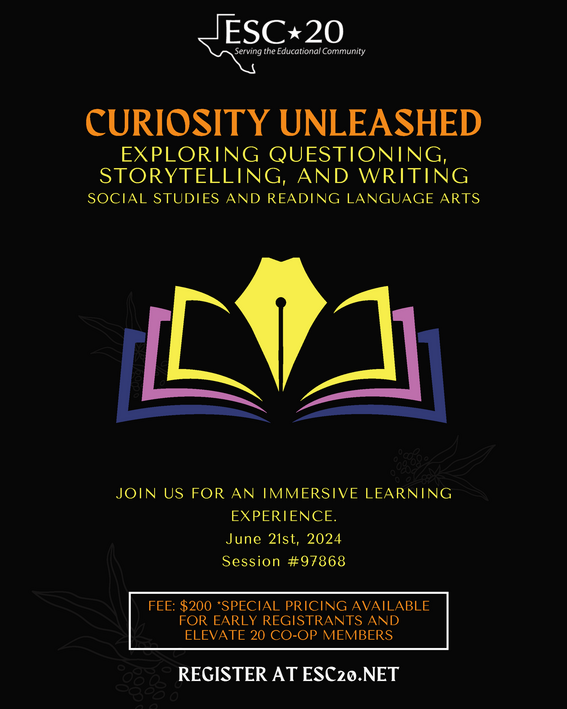 SESSION #97868 Curiosity Unleashed
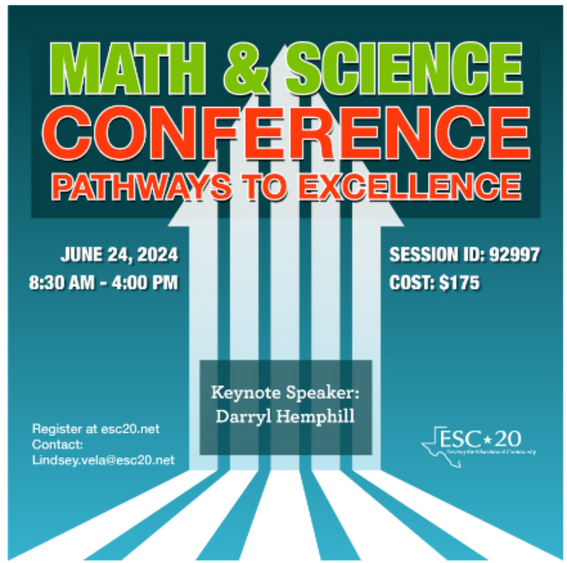 SESSION #92997 Math & Science Conference
|
|
Deliveries & Returns Information
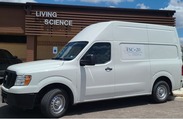
Living materials are delivered within Region 20 by the ESC-20 Living Science Van on a weekly basis. Non Region 20 schools should check with their Regional Service Centers for delivery schedule.
|
|
|
|
|