Hello!
2021 has been off to a busy start! Here's a look at some of what's happening at TriMet. If you any questions or concerns, don't hesitate to contact me at markgrat@trimet.org or my cell 503 752 2597.
-- Tom Markgraf
– – –
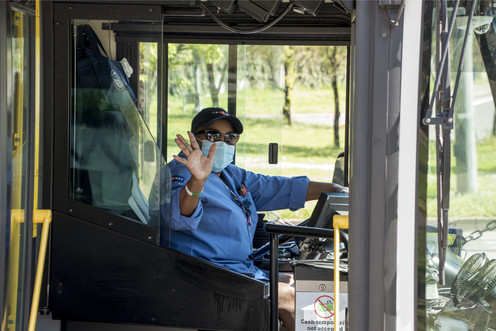 Throughout 2020 and continuing into 2021, TriMet buses and trains rolled, getting essential workers to their jobs and others to necessary services during the global pandemic. We’re keeping vehicles clean to help riders and our operators as they try to stay healthy. Those efforts have provided valuable jobs during the pandemic. Among them, is Michael Cage. He lost his grandmother to the virus—and then his job as a barber. He and many other of our cleaners found work during the pandemic by joining the TriMet team.
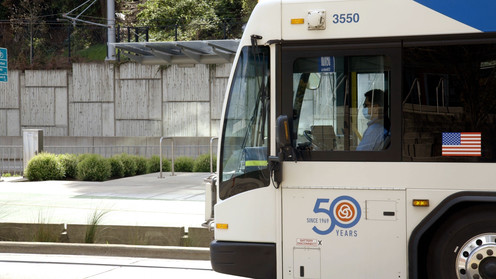 TriMet service levels are about 90% of where they were pre-pandemic. This gives those who are riding right now the room to spread out. We continue to require face coverings on board, and we’ve enlisted the help of some familiar faces like Poison Waters and the Unipiper, to help encourage people to cover theirs! We’ve required masks since May 2020, and we were one of the first transit agencies in the United States to provide free masks on board. We want to thank Clean Water Institute, a nonprofit partner of Clean Water Services, for donating nearly 100,000 masks to our effort to help keep riders and others in our community safe. We want all our riders to know that we’ll be ready for you when you’re ready to get back on board.
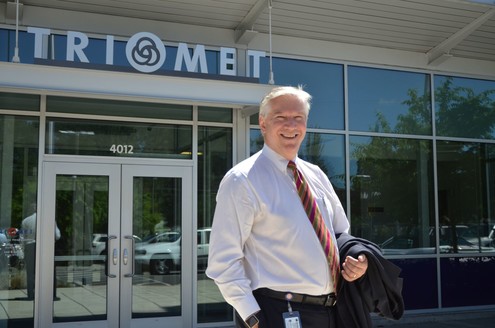 TriMet will be welcoming a new general manager on board in 2021. First, we must say goodbye to current General Manager Doug Kelsey, when he retires in March 2021. Doug has led TriMet through the pandemic, increased our service reliability and safety, improved the customer experience, made transit more accessible, championed diversity and equity and put the agency on the path to a non-diesel bus fleet by 2040.
TriMet’s Board of Directors calls selecting our next general manager its most important duty. The Board will conduct an open, transparent and thoughtful search process. Extensive public outreach and community engagement conducted by TriMet will help inform the Board on general manager priorities.
Also joining the TriMet leadership this year are a new Chief Information Officer and Executive Director of Public Affairs.
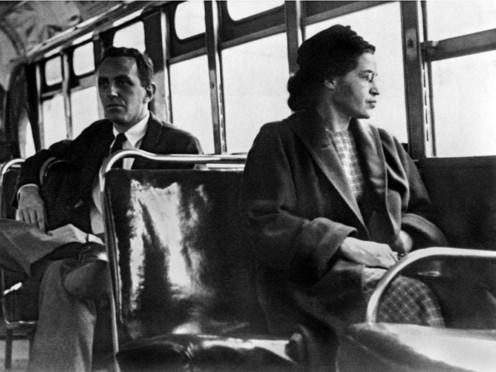 TriMet will hold our first Rosa Parks Transit Equity Day on Thursday, Feb. 4, 2021. Our transit partners C-TRAN and Portland Streetcar will join TriMet in not collecting fares that day as we honor the late civil rights pioneer. Rosa Parks was born on Feb. 4, 1913, in Tuskegee, Alabama and advanced the civil rights movement on Dec. 1, 1955, when she refused to give up a seat on a bus to a white person. The TriMet Board of Directors passed an ordinance that TriMet will continue not collecting fares on Rosa Parks’ birthday for years to come.
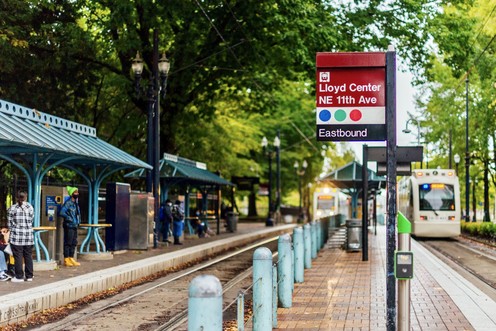 Since hearing from our riders and stakeholders and working directly with community partners, TriMet has developed 25 actions that will make our transit system safer and more welcoming for all. After cutting six Transit Police positions and reallocating $1.8 million from police contracts and other sources in July 2020, we conducted an extensive community engagement effort we called ‘reimagining public safety on transit.’
A Transit Public Safety Advisory Committee, made up of regional thought leaders, community representatives and national transit experts, analyzed the community feedback and security challenges facing the region. The committee developed recommendations based on more than 12,500 responses to our online survey and feedback from 42 community organizations. We thank Portland United Against Hate and the Coalition of Communities of Color for leading conversations with those organizations to expand the reach of the engagement effort.
TriMet is working with community and jurisdictional partners to develop a new Crisis Team pilot model, with members trained to address mental and behavioral health and other quality of life issues. While Transit Police, continuing to serve under a community-based policing model, will still be part of our security, we understand not all situations call for a police response. We've also added more shifts where TriMet staff spend more time on the system, helping and supporting our riders.
 Transit and transit projects put people back to work and get people to jobs. The region will need that to recover from the economic impacts of the COVID-19 pandemic. We have a number of important efforts underway.
Division Transit Project
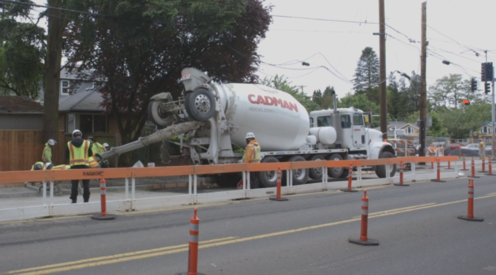 The Division Transit Project, which brought more than $87 million in federal funds to the region, will create a new type of high capacity bus service to move people faster and more efficiently between Gresham and Downtown Portland. Raimore Construction, which was awarded Oregon’s largest-ever contract to a disadvantaged business enterprise with this project, has completed about 40% of the work. Service is on track to begin in fall 2022. Already some of the safety improvements the project will bring to Division Street are benefiting all road users.
The project is expected to create more than 1,400 jobs, including 650 construction jobs and more than 780 indirect and induced jobs. It also is projected to bring more than $137.7 million in economic value to the corridor.
Better Red
 Not only will the Division Transit Project continue to drive job growth, but so too will TriMet’s Better Red project that is expected to kick off in summer 2021. Momentum for the project built in 2020 as the federal government moved to support extending and improving the MAX Red Line. We hope to receive $100 million from the Federal Transit Administration (FTA) this summer. The project is expected to create up to 1,200 jobs for the region and improve reliability throughout the MAX system.
Southwest Corridor Light Rail Project
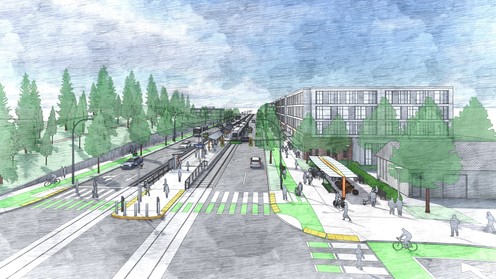 TriMet staff is working with the FTA to wrap up the Final Environmental Impact Statement for the Southwest Corridor Light Rail Project. The project will then be eligible for federal funding should the federal government or regional leaders identify future opportunities. Metro’s “Get Moving 2020” ballot measure had included funding for the project and about 150 other transportation projects focused on improving transportation and safety, addressing congestion and advancing climate strategies. Unfortunately, the measure did not pass. We at TriMet understand that despite the improvements and economic boost the projects would have brought, the measure was a substantial ask during a time of significant economic uncertainty and the unprecedented impacts of COVID 19.
Join TriMet at a virtual open house on Wednesday, Feb. 10. A panel of our service planners will present proposed adjustments to bus routes for fall 2021 and spring 2022, and then answer questions from those attending. The virtual open house will be held via Webex and simulcast live on TriMet’s Facebook page beginning at 5 p.m. Visit trimet.org/plan to learn how to join the event.
Also, the TriMet Board of Directors next meeting will be on Wednesday, Feb. 24, with the public comment period starting at 9:00 a.m. The meeting will be virtual and information on how to join will be posted at trimet.org/meetings/board about a week in advance.
TriMet is one of only six transit agencies in the United States to offer riders earning a low income a reduced single ride fare ($1.25) as well as a reduced monthly pass ($28).
|