 Filtration construction and land use remand update
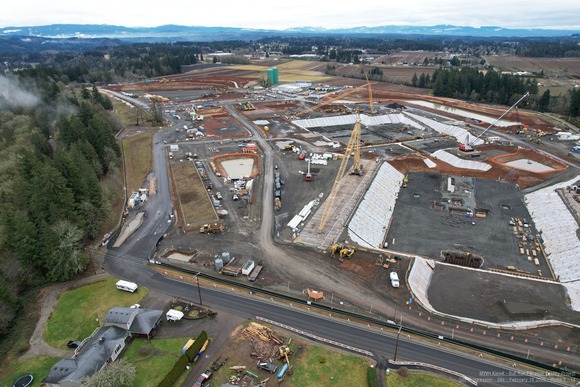
In January, the Land Use Board of Appeals (LUBA) upheld several Multnomah County permit approvals for the filtration facility and pipelines but remanded (sent back to Multnomah County) one County permit item related to the definition of the term “natural resources” in County code. That remand went into effect in February, and the Portland Water Bureau’s contractors paused construction. Limited staff are at the construction sites maintaining equipment and erosion control measures and managing other permit requirements while construction is paused.
On April 16, Multnomah County conducted a hearing for the remand. Since then, the Portland Water Bureau and others, supporting and opposing, submitted documents related to the remand that are available on the County’s related land use web page. The Bureau’s final argument will be submitted the first week of June and the hearing officer’s decision is expected by June 25, 2025.
 Water system improvements will help weather the storms
Heavy rains can swell streams and quickly fill the Bull Run reservoirs in the course of a day. Portland’s surface water comes from the Bull Run Watershed, which typically gets about 135 inches of rain each year. However, an intense storm rapidly flushes silt and organics that naturally collect in streams during the dry season, increasing turbidity in the reservoirs.
What is turbidity, anyway?
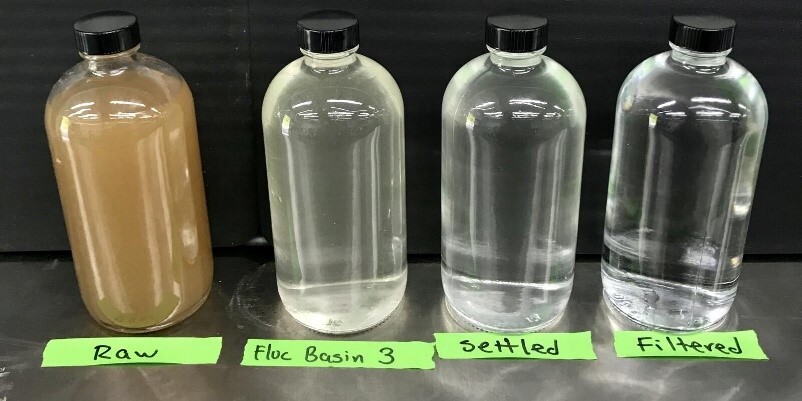
Turbidity is part of the overall analysis of water quality. This suspended sediment in water is visible to the naked eye as cloudiness—similar to smoke in the air.
tur·bid·i·ty
[tərˈbidədē] noun The quality of being cloudy, opaque, or thick with suspended matter: “the measurement of turbidity is a key test of water quality.”
The new filtration treatment process will reduce turbidity and lessen the effect of heavy storms. We are using a pilot (mini) version of the facility to gather data about how filtration treatment responds to changing conditions in our unique water source. At the pilot, we saw the planned treatment steps work as expected to effectively settle and filter sediment and organics from the water during storm events.
The water filtration facility is one of the ways we’re investing in a reliable water future and continuing to provide consistent high-quality drinking water to nearly one million people.
|