|
Hello Friends,
In fewer than 20 years, nearly one in five Oregonians will be older than 65. The aging population will present significant challenges in the coming years. Providing adequate services and support to older Oregonians will continue to be of increasing significance.
In addition to providing adequate health care and services, protecting older adults from abuse and fraud, providing adequate mental health services for the elderly and general planning for the increasing population of older Oregonians, will need our attention.
In 2019, we delivered an impressive list of accomplishments that put Oregon families and seniors first. We reinvested in public education, improved job creation, and made college more affordable and accessible. While many bills that passed during the 2019 Legislative Session have already become law, there are some important budget items and new laws that will take effect in January.
Budget Items:
- $150 million for the construction of affordable family housing
- $50 million for permanent supportive housing
- $40 million for Emergency Housing and State Homeless Assistance programs
- $25 million for affordable housing preservation
- $15 million for preserving manufactured homes
- $1.5 million for home-ownership counseling
- $1.5 million for the ‘Double Up Food Bucks’ program
2019 Legislative Priorities:
HB 2658: Notice Before Increasing Drug Prices: In 2018, House Bill 4005 created the Oregon Prescription Drug Price Transparency program in the Department of Consumer and Business Services (DCBS). The program provides notice and disclosure of information from manufacturers relating to the cost and pricing of prescription drugs in the state. HB 2658 requires prescription drugs manufacturers to report to DCBS the planned increases for prescription drugs, at least 60 days before increase takes effect.
HB 2010: Medicaid Funding: Since 2003, Oregon has used provider assessments to help cover the state’s share of Medicaid services and certain hospital initiatives provided through the Oregon Health Plan. Diagnostic Related Group (DRG) hospitals has consistently remained part of Oregon’s approach to provider assessments. HB 2010 extends the sunset dates for the Oregon Reinsurance Program and the assessments on DRG hospitals, rural type A/B hospitals and insurance premiums.
HB 2587: Expands Access to the Homestead Property Tax Deferral Program: House Bill 2587 allows some additional properties participating in the homestead property tax deferral program to be subject to a reverse mortgage if they satisfy an equity component. The Department of Revenue estimates that there are approximately 4,000 individuals with properties with reverse mortgages between 2011-2017 that may qualify for the senior deferral program under this legislation.
SB 669: Long-Term Care Worker Training Requirements: Senate Bill 669 directs the Oregon Health Authority to establish training requirements that must be met before an individual may provide in-home care services. The training standards must require a minimum number of hours of orientation and assessment of competency before a home care worker or personal support worker is permitted to provide home care services to a client. The bill requires DHS to develop recommendations for methods to assess and monitor home care services provided by home care workers.
HB 2524: Notice of Long-Term Care Ombudsman Services: The Office of the Long Term Care Ombudsman (LTCO) is an independent state agency that serves residents of long term care facilities through complaint investigation, resolution, and advocacy for improvements in care. HB 2524 requires long-term care facilities, residential facilities and adult foster homes to provide residents with information regarding the availability of the LTCO as well as its services.
SB 917: Protecting Reporters of Abuse in Care Facilities: Senate Bill 917 prohibits employers who provide care to children, youth, individuals with disabilities, or older adults, from interfering with employees' good faith disclosures of information regarding abuse or mistreatment, violations of licensing or certification, criminal activity, violations of state or federal laws, or practices threatening the health and safety of recipients of care.
HB 3273: Drug Take Back: Approximately a third of pharmaceutical drugs purchased in the United States go unused, are considered hazardous waste, and end up in water systems or landfills. HB 3273 requires manufacturers of covered drugs that are sold within Oregon to develop and implement drug take-back program for purpose of collecting leftover drugs for disposal.
HB 3076: Charity Standards for Hospitals: House Bill 3076 directs the Oregon Health Authority to establish community benefit spending floor applicable to nonprofit hospitals. It also requires nonprofit hospitals to maintain financial assistance policies that include specified reductions based on patient's household income. Community benefits include expenses such as costs that exceed reimbursement provided by Medicare or Medicaid programs, charity care for individuals who are unable to pay, research, and supporting local activities or programs that improve community health.
*****
|
Medicare Open Enrollment is around the corner - Oct. 15 through Dec. 7. During the annual enrollment period, Oregonians who are 65 years or older, younger people with disabilities and individuals with end-stage renal disease may be eligible to sign up and find health insurance that meets their needs, or make changes to their current coverage.
Oregon’s Senior Health Insurance Benefits Assistance (SHIBA) program provides year-round free, objective and local counseling to people with Medicare and their families. Examples of SHIBA services include explaining how the Medicare program works, assisting with Medicare appeals and complaints, and helping people make informed decisions about their health insurance coverage. SHIBA staff members and active volunteers/certified counselors serve many of Oregon’s 857,000 Medicare beneficiaries.
Visit the OHA Enrollment website for an overview of SHIBA’s impact throughout our state. Contact information for SHIBA organizations by county is available at https://healthcare.oregon.gov/shiba/get-help/Pages/help-near-you.aspx.
*****
|
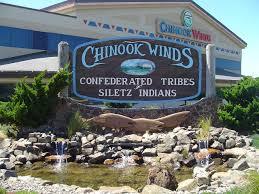
Senior Fair 27th Anniversary
See you in Lincoln City on Oct. 1, when Senior Fair celebrates its 27th anniversary at Chinook Winds Casino in Lincoln City, scheduled for 9 a.m. to 4 p.m.. Admission is free to the public. There will be products and information designed for all our friends and family who are 55 and older. “You don’t have to be a senior citizen to come and enjoy the show.” Said Pat Robertson co-owner of All Ways Traveling. “If you have a family member or friends that you know will benefit, bring them so they can see all of the great information our vendors will provide.”
If you have a business you’d like to promote to the seniors of Oregon and would like to participate call Roger, Pat or Phil Robertson at All Ways Traveling at 541-996-7474. You can also e-mail at allways@charter.net.
Senior Fair 2019 is a forum for businesses and organizations to reach the 55 plus market and to give Senior Citizens an opportunity to explore their offerings. “There will be more exhibits this year than ever,” concluded Phil Robertson. “We have worked to improve the show every year, I think this will be the best of the 27 years.” https://www.newslincolncounty.com/archives/233537
*****
|

September 25:
Oregon’s Mental Health System: Challenges, Opportunities and Innovations.Today, one in six Oregonians live with mental illness. Many of them face systemic and cultural barriers to accessing the services and supports they need to live a full life. Join Steve Allen, Behavioral Health Director, Oregon Health Authority and others as they take a deep dive into Oregon’s mental health system. Allen will share his impressions, followed by a panel of mental health and substance use treatment leaders to discuss Oregon mental health crisis.
September 26:
Oregon Broadband Advisory Council is on Thursday, from 9:15 a.m. to 12:15 p.m. at the Local Government Center, 1201 Court Street NE, Salem. The goal is to address coordination and collaboration between organizations and economic sectors to address utilization of broadband for education, workforce development and telehealth. The council members represent Oregon's cities, counties, telecommunications service providers, Tribes, educators, economic development organizations, public safety agencies, healthcare providers, the state CIO, the Public Utility Commission, the state House of Representatives and the state Senate.
September 27:
Intergovernmental Renewable Energy Task Force will meet to begin the conversation among federal, state, local and tribal governmental bodies regarding potential renewable energy activities on the Outer Continental shelf offshore Oregon. The objectives are to gain common understanding of current and potential future processes regarding offshore wind development in Oregon. The meeting also begins an open conversation on potential approaches to offshore wind planning in Oregon.
September 30th through October 2nd:
Oregon Youth Conservation Corps will be hosting a paddling event at South and Catching Sloughs, in Coos County, as part of our Youth River Stewards program. The Oregon Youth Conservation Corps (OYCC) creates meaningful opportunities for youth through significant resource projects that enhance the Oregon Community. The youth participants will be students from the Harding School/Coos Watershed Association. It will be a local partnership with OYCC, Coos Watershed, Harding School, South Slough Estuary, ODFW STEP, Coquille Tribe, Confederated Tribes of Coos, Lower Umpqua and Siletz, and the Charleston Marine Life Center.
October 1:
The Lincoln County Senior Fair to celebrate its 27th anniversary at Chinook Winds Casino in Lincoln City, Oregon on October 1st from 9 a.m. to 4 p.m. Admission is free to the public.
October 2:
Bay Area Chamber of Commerce (BACC) Noon Forum meets in the Salmon Room at the Mill Casino-Hotel to spotlight businesses with a 10 minute open mic enabling all attending businesses and associations to give short announcements about their staff, sales or special events. BACC is a non-profit, professional organization made up of the Coos Bay, North Bend and Charleston business communities (Oregon’s Bay Area). The cities work together to create a strong business voice, promote business and improve the economy of the Coos Bay Bay Area.
|
|