Okla. State Dept. of Education Update / Reading Sufficiency
OK State Dept of Ed sent this bulletin at 04/10/2014 12:35 PM CDT
Students scoring
Unsatisfactory on the third-grade reading Oklahoma Core Curriculum Test are not
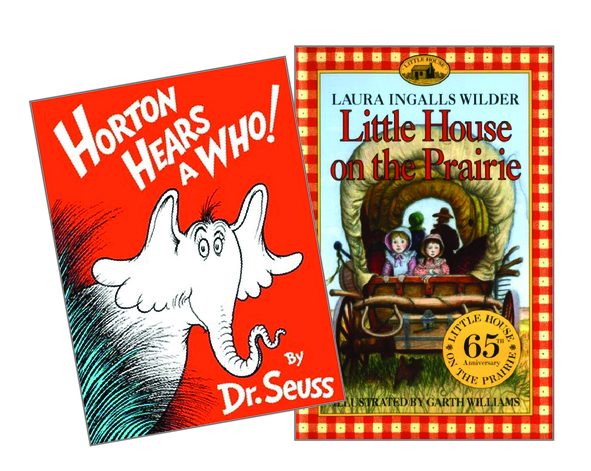
yet reading on the Lexile level of Dr. Seuss’ “Horton Hears a Who.”A fourth-grader reading on grade level,
however, is reading chapter books on the level of “Little House on the
Prairie.”
Progression of Grade-Level Reading
Pre-Kindergarten
students can identify letters and sounds
m p t s d
By the end of the year, they begin to blend sounds to make
words
S + at = sat
Average kindergartners
can read short sentences and put together several sentences.
I am a seed.
See the big jet. It can lift off.
Average first-graders
can read 53 words per minute with 98 percent accuracy. They can blend words and answer questions from the reading passages
Sam is a
tan ram. Matt is a fat rat. Matt sat on Sam and they ran and ran. They ran to dig. Then they sat on a mat. The fat rat and the tan ram sat and sat. Matt and
Sam are pals.
Third-graders
reading on grade level are reading multi-syllable words and paragraphs of information. They are not just
reading, they are learning information from the text. They can answer questions
and build arguments.
Safe Streets for
Everyone
Almost
everyone is familiar with traffic signs. They help drivers, bikers, and walkers
stay safe on the streets. For years, our leaders have worked on ways to improve
these signs. By using certain colors and shapes, they have created signs that
give exact messages.
Red signs mean to stop or
to use caution. A red sign with eight sides means stop. A three signed red sign
means to slow down and be ready to stop. It is called a yield sign. This sign used to be yellow. Its color was changed to red to stress its importance.
Yellow signs with black
letters or pictures mean that a dangerous area is ahead. Roadways with special
rules also are marked with yellow signs.
Orange signs with black
letters or pictures mean that roadwork is ahead.
Green signs with white
letters show directions or distances to certain places.
Blue signs show helpful
information. Routs to hospitals or camping areas are shown on blue signs.
Whether
you walk, ride a bike, roll on skates, or drive a car, traffic signs keep you
safe. By checking and obeying these signs, you will stay out of harm’s way.