
 What inspired you to get involved with Blue Thumb?
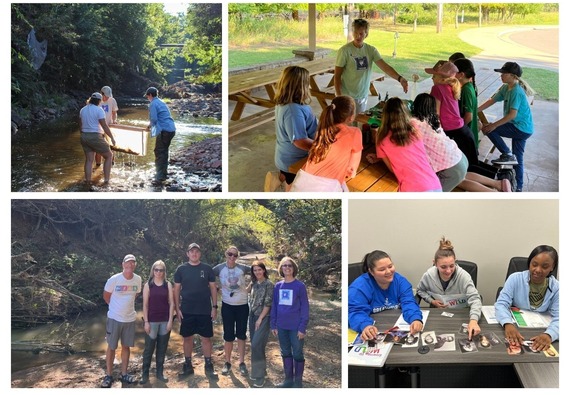
I studied Sustainability & Environmental Stewardship in an online undergraduate program, and while I learned a lot of great things, I missed out on a lot of hands-on components. Volunteering with Blue Thumb was a great opportunity for me to apply my knowledge and practice new skills while helping the environment.
What do you enjoy most about volunteering with Blue Thumb?
I love exploring new places in Oklahoma City, and volunteering with Blue Thumb introduced me to creeks and waterways that I have never encountered before. My coworkers at OKC Beautiful and I volunteer together, which helps us spend time outside, get our hands dirty, and learn together.
How long have you been with the program?
We began monitoring in May of 2024.
Is there a memorable moment or lesson from your time with Blue Thumb that stands out?
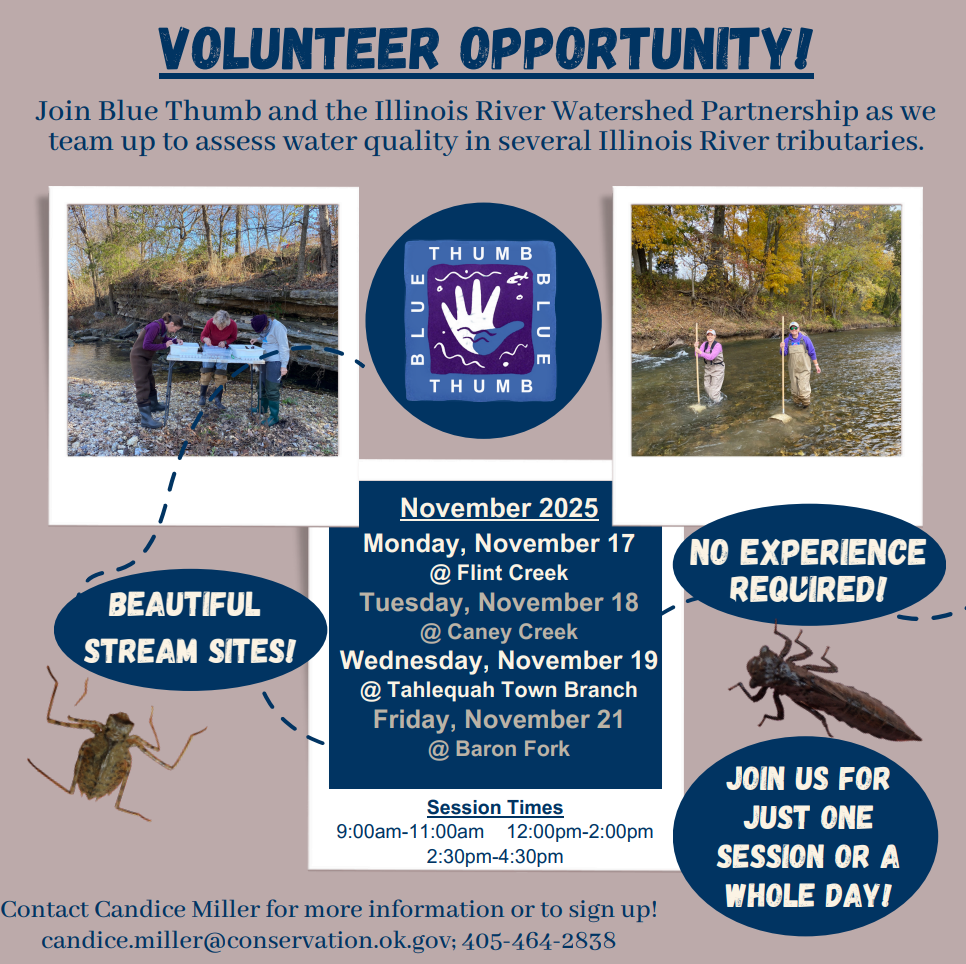
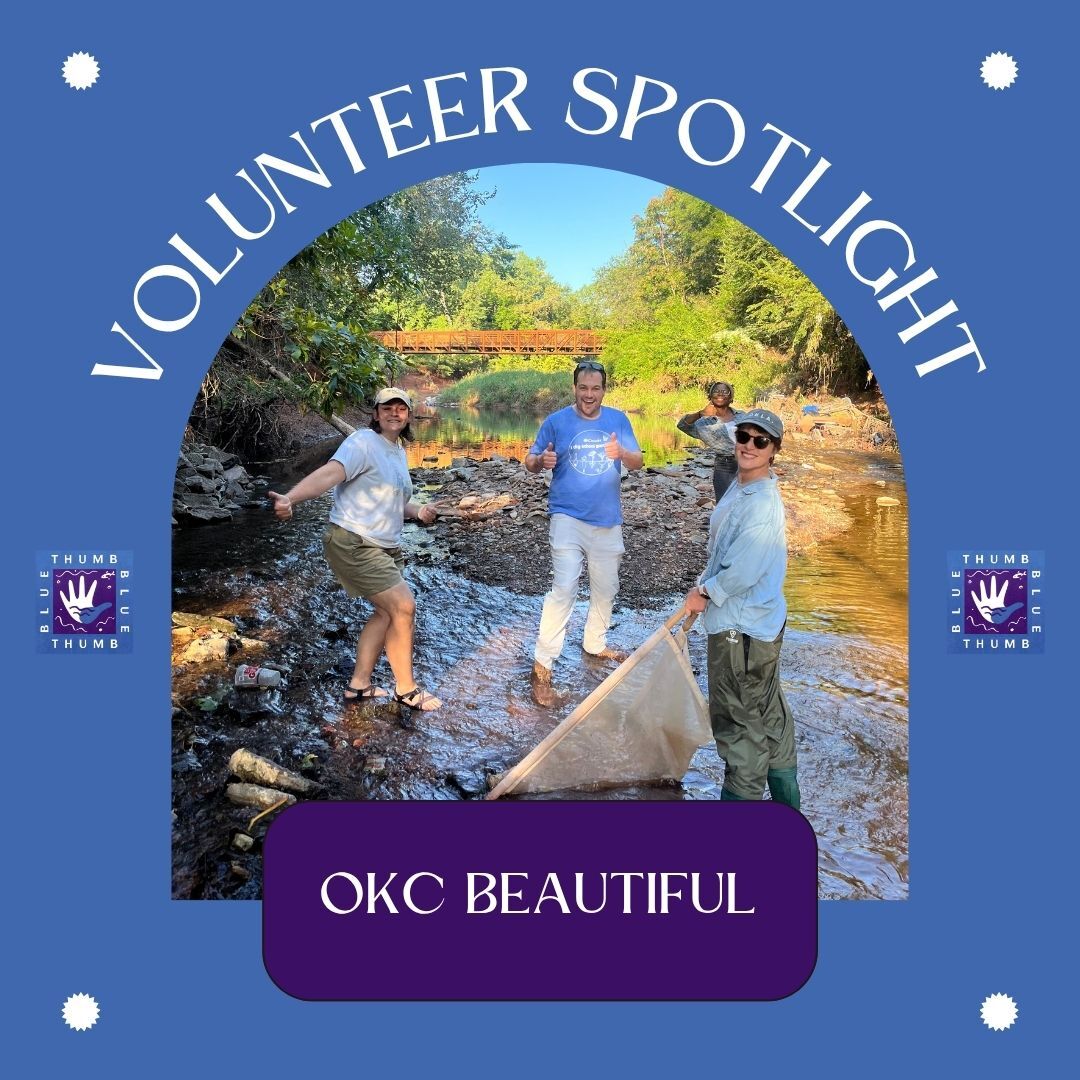
My favorite memory from stream monitoring is the day our whole OKC Beautiful team was able to go together for bug collection day. It was a beautiful morning, and also our first time monitoring at a new site. Everyone got a chance to participate in sample collection and testing. We all had a great time getting to wade in the stream and build new experiences together! (The above photo is from this day!)
Lauren Nixon
OKCB Program Coordinator & Blue Thumb Volunteer
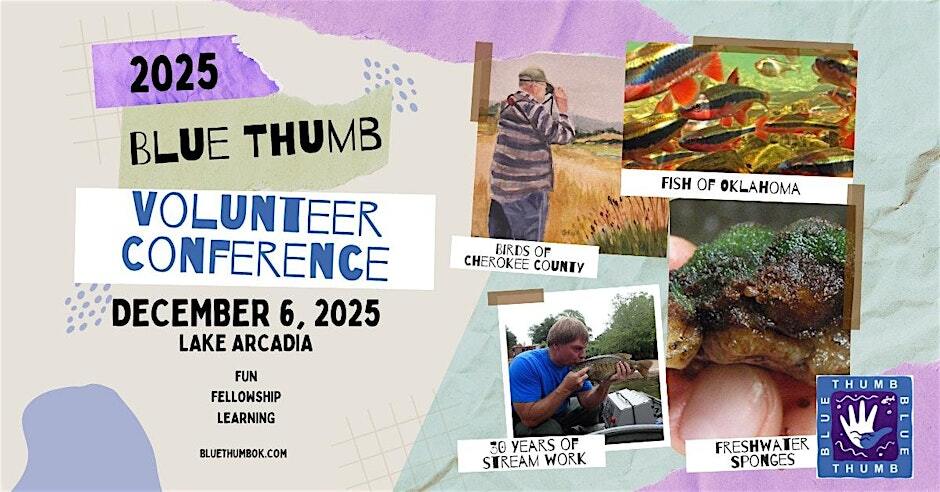
We’re excited to announce that registration is officially open for the 2025 Blue Thumb Volunteer Conference, happening Saturday, December 6, 2025, at the Arcadia Conservation Education Center in Edmond. This event is all about connecting, learning, and celebrating the incredible work of our volunteers who protect and care for Oklahoma’s waters.
The weekend kicks off on Friday, December 5, with two optional pre-conference events. In the afternoon, participants can take part in a Project WET Workshop at Lake Arcadia, where you’ll explore engaging water education activities from the new Earth Systems guidebook — and take the guidebook home! Later that evening, everyone is invited to a relaxed happy hour at Stonecloud Brewing in Oklahoma City, a great opportunity to unwind and connect with fellow volunteers before the main event.
Saturday’s conference will run from 8:30 a.m. to 2:30 p.m., featuring a full lineup of engaging speakers, exhibits, and hands-on activities. The day begins with an optional bird walk led by longtime volunteer George Fulk, followed by presentations from experts including Steven Patterson, Wes Shockley, Sam Miess and Bee McAdoo, George Fulk, and Edie Marsh Mathews. Topics will range from the ecology of Oklahoma’s waters to native wildlife and decades of stream conservation work. Lunch will be provided, and the day will conclude with volunteer recognition and closing remarks.
Registration for the conference is $20 per person, and refunds are available up to seven days before the event. Lodging options are available in nearby Edmond and Oklahoma City for those traveling from out of town.
Join us for a weekend of learning, connection, and celebration with the Blue Thumb community!
Click the button above to register today and secure your spot at the 2025 Blue Thumb Volunteer Conference.
Hunter Hodson
Blue Thumb Field Education Coordinator
Fish Kill on My Stream
Sometimes Blue Thumb staff members and volunteers learn that a fish kill has taken place on their stream. Fish kills can be caused by a number of things, and my stream, Coal Creek, in Glenpool, experienced a fish kill on October 1 & 2 as the result of ruptured sewer lines. These sewer lines were broken accidentally when a contractor for the City of Glenpool hit the lines during a project. Raw sewage flowed at a high volume into Coal Creek for approximately 16 hours. This article represents the first part of a series in which we will take a closer look at fish kills.
What is raw sewage? We will start at the beginning. Civilization has resulted in the development of systems that make life safer and more efficient in areas of high population, like cities. Homes, schools, and businesses create wastewater. Flushing toilets, draining bathwater, the cycling of water from dishwashers and washing machines send water to the local wastewater treatment plant where this “used” water is cleaned. The degree to which the water is cleaned varies among cities, but the goal is to remove contaminants and harmful solids and to disinfect the water. Then the water is released into a stream or river where natural processes continue to clean the water.
Raw sewage is typically loaded with pathogens (like some bacteria and viruses) because a large amount of this sewage is human waste. There are safety protocols people need to take when working around sewage. The investigation of a fish kill that is caused by a sewer line break requires care.
What is it about sewage that kills fish? Human and animal waste can be a perfect package of pollution. Organic matter passes through the digestive system along with a large amount of bacteria that feeds on the organic matter. In the stream the bacteria continues to feed and multiply. This increasing bacteria uses so much oxygen while feeding on the ample organic matter that the stream can be depleted of oxygen, and thus the fish in the stream cannot survive.
Who investigates a Fish Kill? In Oklahoma it is the job of the Oklahoma Department of Environmental Quality that investigates fish kills. I learned of the fish kill on my stream because I got an email from ODEQ. I get an email from ODEQ every time there is a fish kill reported in Oklahoma because I have attended a training about fish kills and I asked to be on this list. It was about 5:30 p.m. on October 2 when I arrived at my monitoring site.
About two hours after I got the report I was out at my stream. I did not know the cause of the fish kill, but the dead fish were apparent, and it was also apparent that the stream’s flow had been up, which is unnatural since we have had no rain. Dead fish were observed on rocks that poked out of the water and two to three feet up the banks from the water.
After starting upstream from my site, it occurred to me that the smell was likely to be sewage. I trekked a long way upstream observing dead fish, the foul smell, and the peculiar color of the water all the way. I chose to get out of the stream as it was getting dark.
Once I got home and showered, I texted the City of Glenpool Public Works director and learned that an incident had happened at 10:00 a.m. on October 1 that allowed raw sewage to flow into my stream for approximately 16 hours. The City had called in the fish kill to ODEQ. See Part II of this story in the November issue. I am still in the process of researching this.
Quality Assurance and Bug Picking
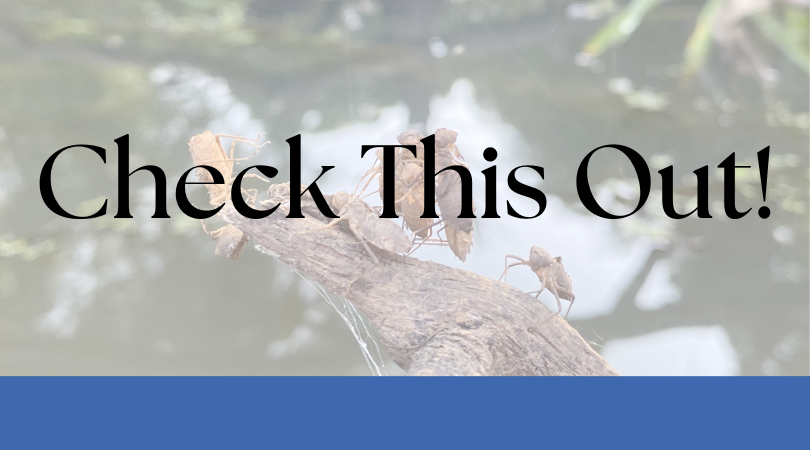
When you go in for your QA and bug picking this fall, check with your Blue Thumb contact for information about the upcoming Blue Thumb Volunteer Conference! Get the scoop on what will be going on December 5 & 6 and how you can be involved!
Cheryl Cheadle
Blue Thumb Volunteer Coordinator
|