In this issue:
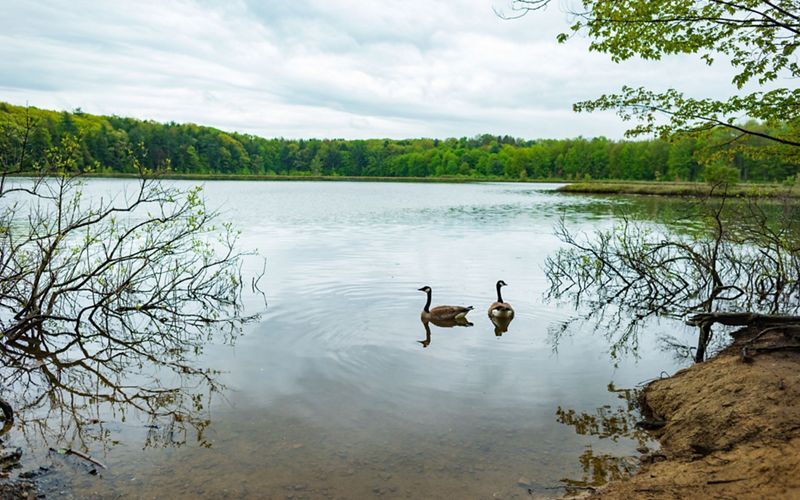
Moss Lake Preserve, located 2 miles south of Houghton in Allegany County, is an 82-acre national, natural landmark owned by The Nature Conservancy. The most outstanding feature of Moss Lake Preserve is its rare, 15-acre kettle-bog lake that was formed approximately 15,000 years ago during the last continental glacial retreat.
The lake gets its name from the mat of sphagnum moss on its surface, which creates a unique, highly biodiverse ecosystem. This is best exemplified by the unusual plant life that has adapted to thrive in its acidic conditions—including carnivorous pitcher plants and round-leaved sundews, certain sedges, lady's slippers, and other bog specialists.
There are at least 75 bird species in this fragile ecosystem, including waterfowl, waders, warblers, and raptors. November can also bring in visitors like sparrows and finches from farther north. Upland species like deer, gray squirrels, woodchucks, and chipmunks can be observed from the woodland trails throughout fall. For a unique vantage point, walk on the boardwalk that extends over the lake’s moss mat. From there, you might spot fish, like black bullheads, or frogs and snapping turtles as they prepare for hibernation.
Photo credit: The Nature Conservancy
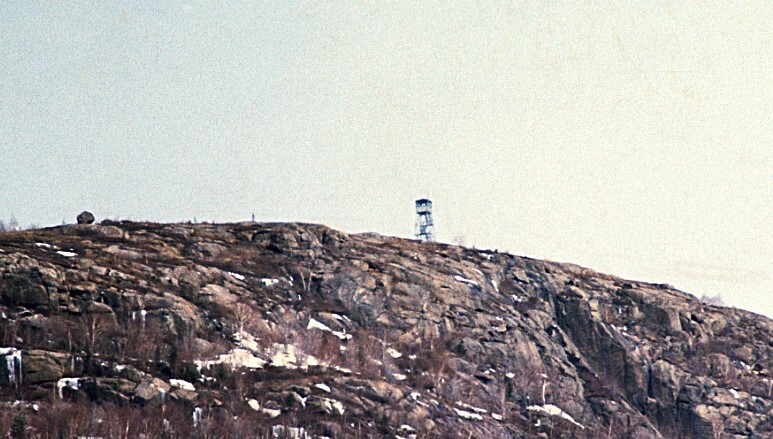
Azure Mountain is a 2,518-foot-tall mountain located in the northwest Adirondacks in Waverly, Franklin County. It is one of a handful of peaks near the northern transition between the Adirondack Highlands and the Adirondack Lowlands. The views from the south-facing mountain bluff are expansive, with St. Regis River forestland in the foreground and numerous Adirondack peaks in the distance and on the horizon. The summit offers a spectacular overlook of these unbroken northern forests, and the historic, restored Azure Mountain fire tower cab located there offers panoramic vistas of the St. Lawrence River Valley, and views of Ontario and Quebec provinces.
The trail up Azure Mountain is approximately 1 mile to the summit from the parking lot, but the vertical rise in this short distance is 944 feet. It’s a moderate hike that starts out easy, with a few strenuous spots as you ascend the mountain. About halfway up, it gets steeper and remains challenging until you reach the top. The trip takes about 1.5–2 hours to complete.
Be prepared for cold, mountain-top conditions. Hiking boots, sturdy shoes, or snowshoes are highly recommended; consider using microspikes and hiking poles if there is any snowpack. Check the forecast for your destination and plan accordingly. Check the National Weather Service Northern Adirondacks Mountain Point Forecasts for local summit forecasts and visit DEC’s Hike Smart NY webpage for other helpful information.
A view of the Azure Mountain summit and fire tower
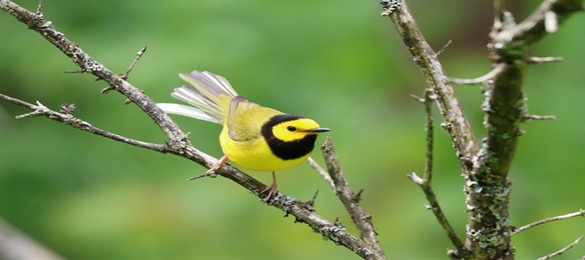
On fall nights, while most of us are sleeping, millions of birds are flying overhead, making their way south to warmer weather and more abundant food sources. But they face many dangers during their travels, such as bad weather, predators, habitat loss—and human-made barriers.
How can you help? Most birds use the stars to navigate, but excessive outdoor lighting, especially in adverse weather conditions, can disorient migrating birds and lead to collisions—and even death. We can help ensure a safer fall migration by joining Lights Out, a DEC and Office of General Services initiative to help flying migratory birds avoid dangerous obstacles. From now through November 15, it’s encouraged to turn off all non-essential indoor and outdoor lighting from 11:00 p.m. to dawn. The initiative also encourages drawing interior blinds whenever possible to reduce light escaping from inside buildings.
By participating in Lights Out, you’re helping migrating birds safely reach their winter destinations and giving them a better chance of returning to your neighborhood next spring. Live bird migration maps are available by visiting BirdCast.
Hooded warbler (Photo credit: James Hill)
With nearly 3 million New Yorkers potentially losing their federal Supplemental Nutrition Assistance Program (SNAP) assistance in November, DEC is encouraging hunters to help fight hunger in our communities at this critical time.
Each year, DEC partners with Feeding New York State to facilitate the donation of 50-70,000 pounds of venison from deer harvested by hunters to those in need.
To help join the fight against hunger by donating your deer harvest:
- Drop off any legally harvested, tagged, and reported deer at one of Feeding New York State’s participating deer processors.
- Call the processor ahead of time to ensure they can accept your deer.
- Complete the processor’s log sheet indicating your desire to donate the deer.
DEC and Feeding New York State will cover the processing costs for donated deer so that the venison can be distributed to food pantries and food banks throughout the state; however, funding is limited. If you don’t have a deer to donate but still want to help, consider making a financial donation to the venison donation program through Feeding New York State, by clicking the “Donations” link at the top of the DEC Automated Licensing System page, or when you purchase your next hunting license.
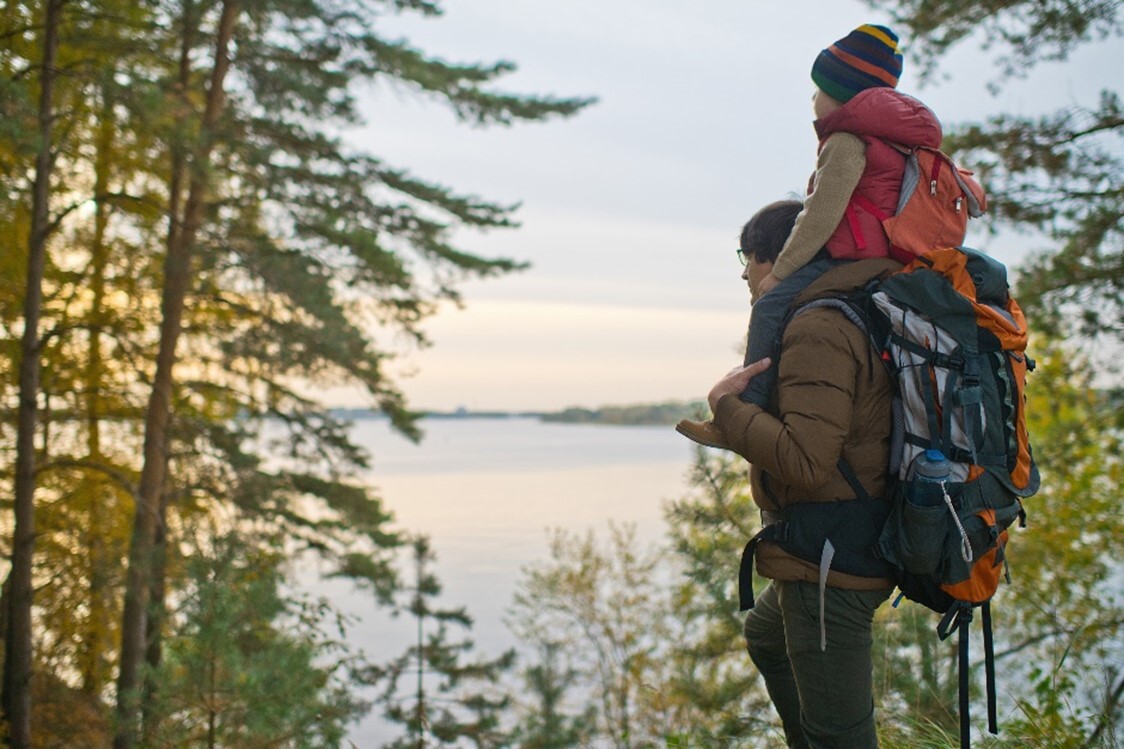
Daylight hours are limited in November, so be sure to plan your outing to finish well before sunset—especially if you’re on a long trail or in unfamiliar terrain. Always pack a headlamp with extra batteries in case you’re delayed, and make sure your phone is fully charged before you head out.
For more information about upcoming events, check out DEC’s wide selection of outdoor activities on our events calendar. View upcoming programs and all the events currently scheduled, including public hearings and meetings. For information about upcoming events at DEC’s environmental education centers, visit the following links:
Five Rivers Environmental Education Center (Albany County)
Reinstein Woods Nature Preserve & Environmental Education Center (Erie County)
Rogers Environmental Education Center (Chenango County)
Stony Kill Farm Environmental Education Center (Dutchess County)
Visit DEC’s Facebook page for updates and to view our Facebook Live offerings. From adventures at fish hatcheries and nighttime hikes to Q&As about black bears, there is always something to see and learn.
Connect with DEC on: Facebook, Instagram, Threads, Bluesky, X, Flickr, YouTube, and the DEC Podcast.
Are you trying to find that perfect holiday gift for someone who enjoys the outdoors? Consider giving a gift subscription to the Conservationist for only $6 for six beautiful issues, or an even better deal of $15 for 18 issues. The sale kicks off on Black Friday and runs through Christmas Eve. Keep an eye on DEC's website for details.
Subscriptions include Conservationist for Kids three times per year, as well as access to the enhanced Digital Edition. Visit DEC's website or call 1-800-678-6399 to subscribe.
Articles about outdoor adventure and natural science are in every issue. You will also find:
- Incredible places to fish, hike, camp, kayak, and explore;
- Awesome bird watching and animal photography; and
- Exciting natural wonders, right here in New York State.
The next issue of the Conservationist contains our popular annual calendar, which has become a reader favorite. It features spectacular images submitted during our 2025 photo contest and important dates to inspire readers to go outdoors and celebrate nature.
Conservationist, the magazine that brings nature to your door.
|