In this issue:
Air Mail! is the publication to announce public and stakeholder information about air quality topics. All NYS residents are environmental stakeholders – we welcome anyone to join the information sessions and other opportunities posted here.
NYS has a wide variety of ambitious environmental protection goals, including efforts to reduce air pollution and protect our communities. One example is the State’s Climate and Leadership Community Protection Act (CLCPA), also known as the Climate Act, which DEC is implementing with our State agency partners.
The Climate Act seeks to reduce greenhouse gas (GHG) emissions 40% by 2030 and 85% by 2050 when compared to the levels from 1990. GHG traps atmospheric heat, raising temperatures and contributing to climate change. The 2024 Statewide GHG Emissions Report, which covers emissions from 1990 through 2022, tracks progress towards the objectives of the Climate Act.
Governor Hochul’s proposed Executive Budget includes a historic $1 billion climate investment, the Sustainable Future Program, which would be one of the single largest climate investments in state history, generating thousands of jobs, slashing energy bills for households, and cutting harmful pollution. The 2025 State of the State address announced a number of ways that NYS will continue to lower GHG levels. This includes investing in renewable energy at SUNY and CUNY schools, directing state agencies to enter contracts with the New York Power Authority to achieve 100% renewable energy, and incentivizing New Yorkers to install heat pumps within their homes.
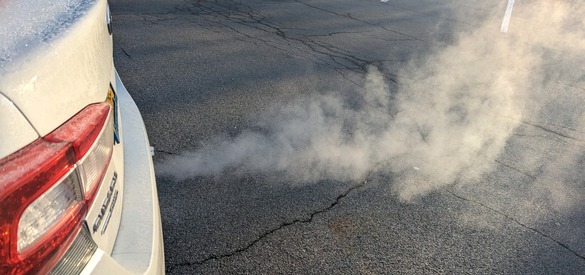
While NY state government works to lower GHG emissions on its end, the average New Yorker can also take steps to lower their own contribution to emissions. Choosing to green your transportation by limiting your vehicle engine's idle time, carpooling, taking public transportation, or even walking, or lowering your energy usage by joining a community solar project, turning lights off, and unplugging electronics not in use can all make a difference. These actions all contribute towards lowering GHG emissions and creating a greener future for NYS.

Everyday actions, such as going for a drive, can release benzene into our air. Benzene is a colorless and flammable chemical released into the air through evaporation or burning certain materials. It comes from natural sources like volcanoes or human activities like vehicle emissions. Burning fossil fuels, such as gasoline, is one of the most significant contributors to benzene in our air.
The Environmental Protection Agency (EPA) monitors 188 Hazardous Air Pollutants (HAPS) that are known or suspected to cause significant health issues, such as cancer. Of these, 30 have been identified as the most dangerous in urban environments, including benzene. Long-term exposure to high levels of this chemical can cause several health effects, such as anemia, leukemia, or even death. However, through regulatory action, benzene emissions have already been greatly reduced. Federal laws already limit the amount of benzene allowed in gasoline. DEC also regulates facilities, such as gas stations, to ensure emissions stay below established emissions limits. In NYS, registered vehicles are also required to undergo annual emissions testing.
There are many ways you can help limit benzene emissions. Using certified gas cans and filling vehicles carefully at service stations can help prevent spills. Choosing low-emission transportation options, like carpooling or public transit, and following NYS open burning regulations to prevent wildfires are great ways to keep our air clean for all New Yorkers to enjoy. Between governmental and personal actions, NYS can continue to enjoy the clean air our state offers.
As winter starts to loosen its grip, New Yorkers are looking forward to spring’s warmer temperatures. However, warmer weather brings with it an increased risk of fires. As the snow melts to reveal dry, dead vegetation, coupled with low humidity and warming temperatures, NYS is at a heightened risk for wildfires.
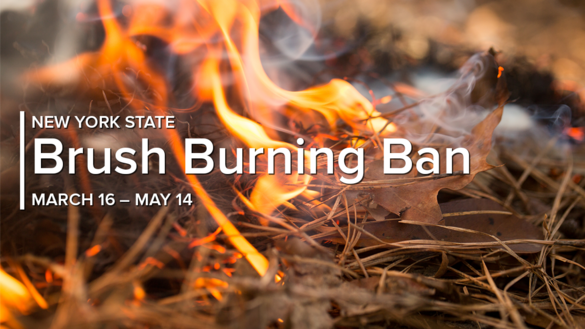
NYS enacts an annual burn ban from March 16 through May 14 each year to help prevent wildfires. The annual burn ban temporarily prohibits residents from burning brush and yard debris. Some small fires, such as those fueled with charcoal or untreated wood for cooking purposes, are allowed. However, before starting any fire, you should check your local regulations, as additional rules may be in place for your area.
In October 2024, DEC partnered with NYS Mesonet to create a new and improved Fire Danger Map. This tool uses real-time weather data to inform the public of when there is an increased wildfire risk. Even outside the annual burn ban, checking the fire danger map and following NYS fire safety laws, such as never burning trash, can help protect our State’s lands and keep our air clean.
 |
-
DECinfo Locator – An interactive map that lets you access DEC documents and public data about the environmental quality of specific sites in NYS as well as outdoor recreation information.
-
DEC Delivers – Stay in-the-know by subscribing to the environmental topics that interest you. We will send you information, updates, and e-newsletters on the topics of your choosing. As an Air Mail! subscriber, you may be interested in subscribing to the Air Quality Alert topic so you know when air quality levels are a concern in your area.
-
DEC Does What?! – Check out our new podcast, which highlights what DEC does to protect our environment.
-
AQI Forecasts – Check the daily ozone and particulate matter pollution forecast for your area of NYS.
-
NYSDEC YouTube – Keep up with what's going on with DEC staff by subscribing to our YouTube channel. Watch video clips of DEC public protection in action, learn about the Hudson River, or watch the latest episode of "On the Front Lines," DEC's video series.
-
Conservationist – NYS’ premiere outdoor magazine--bringing nature to your door! Published six times a year, Conservationist is a NYS-focused magazine that is packed with informative and entertaining articles, first-rate photography, and stunning artwork. Articles cover a broad range of environmental and natural history related topics. Subscribe today to get a piece of the outdoors in your mailbox.
-
Now through May 14: DEC's annual Saratoga Tree Nursery native tree and shrub seedling sale – Dozens of native tree and shrub species are available for purchase at low cost. Browse this year's selection on our website. For the most up-to-date species availability information or to place your order, call (518) 587-1120, Monday through Friday, 8:00 am to 4:00 pm.
-
February: Black History Month – We honor and celebrate the accomplishments of African Americans throughout history. DEC serves NYS residents by addressing environmental justice concerns in communities of color and low-income communities throughout NYS to ensure healthy air for all, regardless of race, color, national origin, or income. Check DEC's website in February for a special Black History Month tribute.
-
March 3: World Wildlife Day – Animals and plants alike are affected by air pollution. World Wildlife Day celebrates and raises awareness for animals and plants across the globe.
-
March 16 through May 14: Annual Spring Burn Ban – Temporarily outlaws residential brush and yard debris burning.
-
March 18: Global Recycling Day – Waste in landfills can contribute to air pollution. Recycling can keep unnecessary waste from adding to landfills.
-
March 21: International Day of Forests – Trees help remove air pollution, so it is essential to maintain forests to clean our air.
-
March 22: World Water Day – As the saying goes, “What goes up must come down.” Air pollution is pulled down with rain and can harm our water resources, too.
NYS' ozone season runs from April through September. DEC publishes ground level ozone forecasts during ozone season and particulate matter pollution forecasts year-round, using a scale called the Air Quality Index (AQI). DEC sends out an air quality alert when there is a high AQI value, which indicates polluted air. Individuals with pre-existing respiratory or cardiovascular conditions and people who exercise outdoors should take caution during an air quality alert.
The AQI can be accessed in four ways:
Did you enjoy reading this issue? Perhaps your friends and family would too. Share Air Mail! by using the “Share” button below. If you would like to receive Air Mail! in your own email box, sign up now!
We would also like to know what you think. Send your Air Mail! questions and comments to the team at DAR.web@dec.ny.gov.
|