|
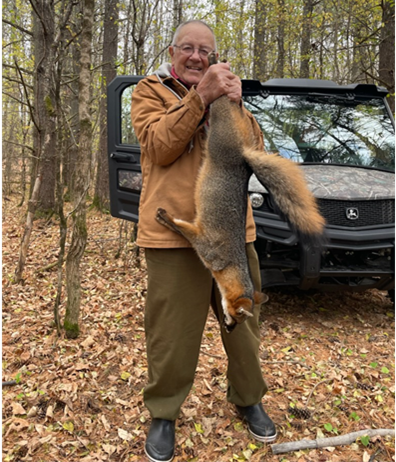
New York DEC is joining forces with the Northeastern Association of Fish & Wildlife Agencies, university researchers, and other state wildlife agency biologists and veterinarians on a project investigating furbearer health. The project aims to identify diseases and toxins in northeastern furbearers and investigate potential impacts on furbearer populations. The project focuses on gray foxes, which have declined in some parts of the Northeast and Midwest in recent decades, and fishers.
One of the primary focuses will be to investigate the prevalence of anticoagulant rodenticides in fisher and gray fox populations. Previous research on trapper-submitted fishers in New York found that nearly 80% of the more than 100 samples tested were positive for exposure to anticoagulant rodenticides. These popular rodenticides can cause uncontrolled bleeding and death in high doses. Lower levels of exposure may lead to reduced reproduction, poor body condition, and a suppressed immune system leaving animals vulnerable to other pathogens.
This project depends on getting a large number of samples from various areas across the Northeast. DEC is asking trappers and furbearer hunters to consider submitting carcasses of harvested fishers and gray foxes. The carcasses can be skinned. If you are interested in donating carcasses for this research, please contact your Regional DEC Wildlife Office for more information.
Trapper Jack N. holding up his successful harvested gray fox
|
|
|
|