In this issue:
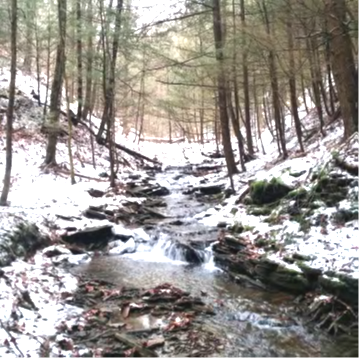
Rattlesnake Hill Wildlife Management Area (WMA) is a 5,160-acre mostly forested upland tract, situated near the northern edge of the Allegheny Plateau near Dansville. The WMA was named after the timber rattlesnake, a threatened species that historically was found in the more remote areas and is still occasionally spotted there.
During winter, there are a variety of multi-use trails for easy-to-moderate skiing or snowshoeing through mature woodland, overgrown fields, conifer plantations, old-growth apple orchards, and open meadows. These designated trails wind through a diverse plant and animal habitat; staying on them helps keep the tract protected for the varied wildlife that inhabit the area—including beavers, black bears, coyotes, minks, opossums, racoons, red and gray foxes, ruffled grouse, white-tailed deer, wild turkeys, and woodcocks.
So stay on the trails and keep an eye out for the abundant wildlife that calls this WMA home!
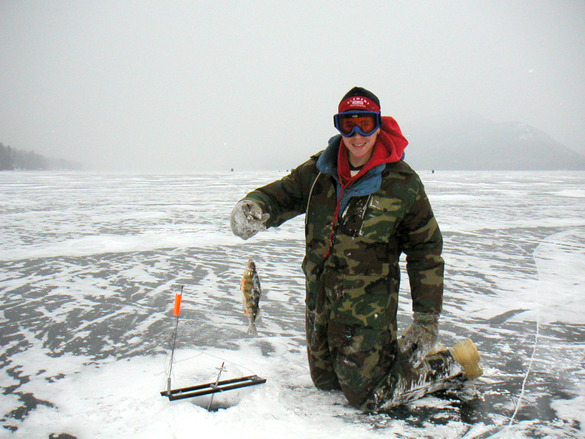
Fishing hasn’t ended for the year just because it’s cold and snowy outside. Anglers in New York State can stay busy all winter by targeting some of their favorite fish species through the ice. During winter, some popular species include yellow perch, northern pike, walleye, lake trout, brown trout, Atlantic salmon, and black crappie.
There are advantages to ice fishing, especially if you’re used to being a shore-bound angler. Thick ice provides access to an entire body of water, depending on how far you’re willing to walk. Many fish species congregate this time of year and, when you find them, the action can be fast and furious.
If you haven’t attempted ice fishing yet, now’s the time to try it. Visit DEC’s Learn How to Ice Fish webpage for videos and helpful suggestions about safety, and where and how to successfully ice fish. You’ll need some special equipment, and you must use caution and pay attention to ice conditions. Ice fishing is permitted on many waters in New York State, but not all, so consult the General Freshwater Fishing Regulations webpage to learn more.
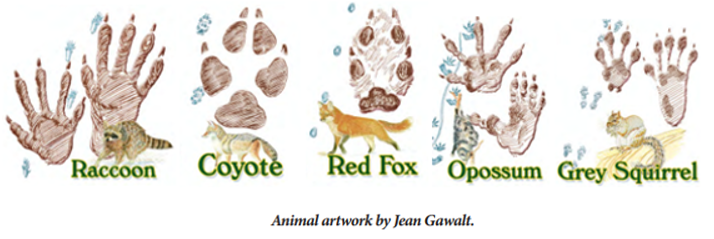
The newly blanketed, snowy ground can be a magical, serene image. But take a closer look. Do you see tracks in the snow? If so, you just might have the chance to glimpse into the lives of some of the animals that live there.
You may not realize the diversity of wildlife that surrounds you, even in your own backyard. Resident animals that don’t hibernate through winter must find food to survive, and they leave their tracks behind as evidence. Opossum, raccoon, skunk, and squirrel tracks may lead to birdfeeders and garbage cans. Rabbit tracks might head toward an exposed patch of vegetation, and fox tracks may follow closely behind. Little prints could belong to smaller creatures, like mice or moles. In suburbia, you may spot the tracks of coyote, deer, and turkey; farther out, in more rural areas, you might also see bobcat and mink tracks dotting the landscape.
Discovering the stories behind tracks not only provides a peek into the lives of wild creatures, but also offers a respite from today’s fast-paced, high-tech world. Want to learn more? Visit DEC’s website and view the Winter Tracks (PDF). You can print it and bring it with you the next time you venture out and wonder, “What animal made that track?” The answer might surprise you.
Winter days are short and cold, and winter nights are long and even colder.
With the sun setting just after 4:00 p.m. this time of year, it’s very important to plan your hike accordingly, so you’re not racing the sun to get to shelter.
Here are some tips to prevent getting lost in the woods and stuck in the dark:
- Rather than using your cell phone flashlight, always bring a headlamp or flashlight (preferably two, with extra batteries).
-
Learn to use a topographic map, GPS, and compass, and carry them with you. Many people get lost because they don't trust the readings on their compass. GPS units have become very affordable and can be extremely useful; however, they only aid in navigation and must be used with a compass and map. Knowing your GPS coordinates may be of little help if you cannot figure out which way and how far you need to walk to reach safety.
-
Pick out landmarks that are easy to find at the end of the day. For example, if you hunt or hike south of a road that runs east-west, then you know that by walking north, you will eventually come to the road. Keep these kinds of landmarks in mind before and during your trip, especially when light is dwindling toward the end of the day.
For more info on how to avoid getting stranded or what to do if you are, visit DEC’s Lost In The Woods webpage.
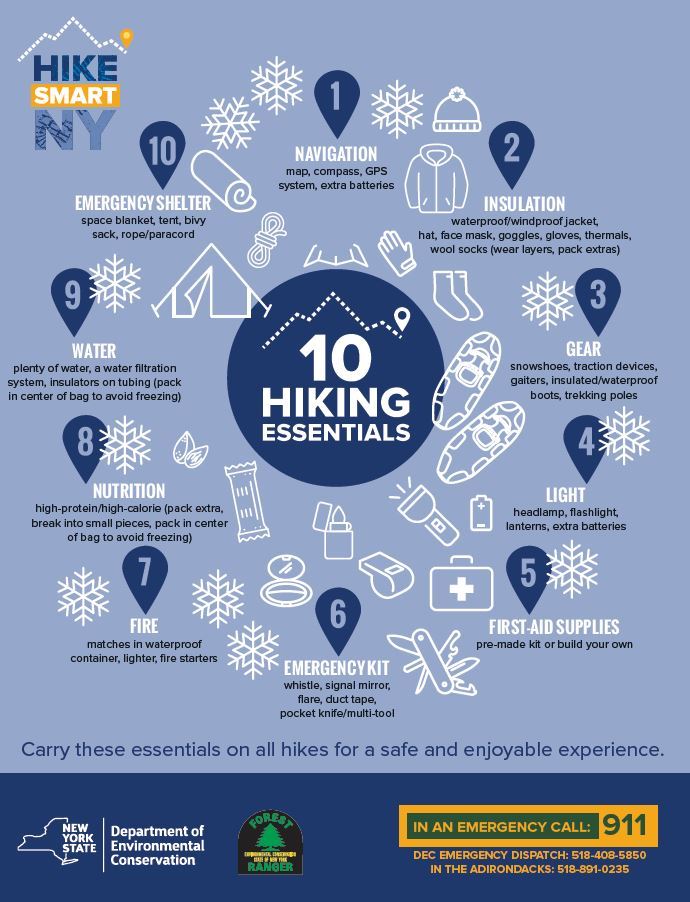
DEC’s Hike Smart NY can also help you prepare with a list of 10 essentials, guidance on what to wear, and tips for planning your next hiking trip with safety and sustainability in mind.
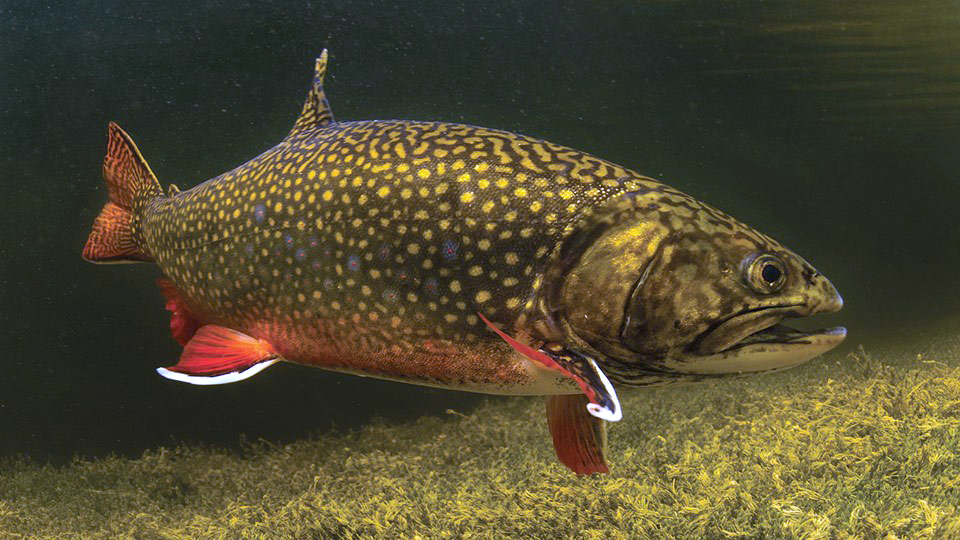
During winter, a fish’s metabolism slows, its body temperature lowers to about 39°F, and its heart rate and breathing rates fall. Most fish also have polyunsaturated fatty acids, called omega-3s, in their cells which contribute to the elasticity of cell membranes and make them more resistant to the cold.
A minimum of four inches of solid ice is the general rule for safety when ice fishing or ice skating. But remember: ice is seldom the same thickness over a single body of water; it can change quickly over time and vary dramatically across short distances. For safety’s sake, periodically check the ice’s condition.
For more information, check out DEC's wide selection of outdoor activities on our events calendar. View upcoming programs or all the planned events currently scheduled, including public hearings and meetings. For information about upcoming events at DEC’s environmental education centers, visit the following links:
Five Rivers Environmental Education Center (Albany County)
Reinstein Woods Nature Preserve & Environmental Education Center (Erie County)
Rogers Environmental Education Center (Chenango County)
Stony Kill Farm Environmental Education Center (Dutchess County)
Visit DEC’s Facebook page for updates and to view our Facebook Live offerings. From adventures at fish hatcheries and nighttime hikes to Q&As about black bears, there is always something to see and learn.
Connect with DEC on: Facebook, Instagram, Threads, X, Flickr, YouTube and the DEC Podcast.
Subscribe to the Conservationist for only $12 for six beautiful issues. Know someone who enjoys the outdoors? Consider giving a subscription as a gift that will last the entire year.
Articles about outdoor adventure and natural science are in every issue. You will also find:
- Incredible places to fish, hike, camp, and explore;
- Awesome bird watching and animal photography; and
- Exciting natural wonders, right here in New York State.
Readers will also enjoy our regular features, like Letters, Back Trails, Briefly, and On Patrol in the latest issue of the Conservationist. Visit DEC's website to subscribe, or call 1-800-678-6399. We now also offer a digital only subscription for just $6 a year.
Conservationist, the magazine that brings nature to your door.
|