|
Warmer summer months often come with increased water use as more people engage in outdoor activities including swimming and watering of lawns and gardens. This leads to more resources being allocated at the municipal level to provide good quality water for its consumers. This surge in demand can overwhelm infrastructure, potentially affecting water quality. Additionally, the increased use of fertilizers during the summer months can contribute to higher levels of contaminants like nitrates in water sources, posing health risks if not properly managed. It is crucial for individuals, organizations, and water providers to be mindful of their water use during this time to ensure that everyone can continue to receive safe and clean drinking water.
Fortunately, there are several actions that can help conserve and protect the quality of public drinking water sources both on an individual and community-wide scale. Continue reading to learn about the effects of warm weather on drinking water supplies and solutions you and your municipality can undertake to counteract the impact on water resources.
A. Lower water levels
Higher summer temperatures and reduced rainfall can lead to decreased surface water levels in lakes, rivers, and reservoirs, Meanwhile, groundwater systems face stress from reduced rainfall, which limits recharge and replenishment of aquifers. Compounding these issues, increased water usage for consumption, recreation, irrigation, and other purposes strains both surface and groundwater supplies, exacerbating the seasonal water stress.
General Actions
- Turn the faucet off periodically while washing dishes and completely while brushing your teeth. This avoids nonessential water consumption when water can be scarce.
- Fix leaks in your home. For example, a faucet leaking 15 drops per minute wastes nearly 30 gallons of water per month, according to the USGS Drip Calculator. A simple action like fixing a leak can greatly reduce the cost of water usage.
- For gardeners, there are several water-conserving methods to consider. Drip irrigation delivers water directly to plant roots, reducing evaporation and runoff. Similarly, soaker hoses reduce evaporation and cut down water waste by delivering water directly to the base of plants. Rain barrels collect and store rainwater for future use, reducing the demand on municipal water supplies and decreasing stormwater runoff. Finally, mulching reduces soil moisture loss through evaporation, regulates soil temperature, and increases water retention in soil. Overall, one or a combination of these methods work to reduce water waste and promote efficient water use, avoiding nonessential water consumption during warmer weather.
- Use EPA WaterSense products, such as washing machines, bathroom faucets, pre-rinse spray valves, and low-flow showerheads.
💡Did you know?
New York State that plumbing fixtures may not be sold or installed in the state if they exceed a flow rate of 1.8 gpm. That is a lower flow rate than the national 2.5 gpm standard and even conserves more water than WaterSense-certified showerheads, which have a 2.0 gmp flow rate. Change out your current showerhead for a low-flow showerhead to conserve water and make a difference!
What are the benefits?
The actions above all present free or low-cost opportunities to conserve water as an individual or homeowner. Using less water helps municipal water treatment plants better manage capacity issues experienced during the warmer months as well as reduce their energy consumption and lower operating costs. In addition, water consumers practicing one or more of these actions may reduce their water bill.
Who may participate?
Everyone! Reducing water consumption in your home can be a year-round activity and can have an increased positive effect on limited water resources as temperatures rise.
B. Reduced water quality
water quality refers to a general decline in the overall health of the water. During the summer season, a variety of factors can contribute to this, including summer storms and heavy rainfall that can lead to increased runoff, carrying pollutants and sediment into waterbodies.. Additionally, warmer water holds less dissolved oxygen, which is crucial for aquatic life and . Reduced oxygen levels can , all of which detract from adequate water quality.
What is it?
DEC’s Buffer in a Bag program allows organizations and private landowners across New York State to apply to receive free tree and shrub seedlings to help establish or improve a stream buffer. A buffer refers to a vegetated area or zone adjacent to a stream, river, or lake that helps protect a water body from the surrounding landscape. They act as a transition zone between the aquatic ecosystem and the terrestrial ecosystem, encouraging healthy streams, supporting aquatic life, and ensuring cleaner water.
What are the benefits?
Planting along streams has several co-benefits, including keeping soil in place, slowing floodwaters, intercepting pollution, all of which protect water quality. In addition, buffers can provide food and shelter for wildlife.
Who is eligible?
Landowners with at least 50 feet along a stream or waterbody, organizations and/or individuals with permission to plant on a given property with stream or waterbody access.
What am I supplied with?
Each bag typically includes 25 native tree and shrub seedlings that are well-suited to streamside conditions.
What is it?
Trees for Tribs is a statewide effort to reforest New York State's small creeks and streams that flow into larger rivers and lakes (Tribs).
What are the benefits?
Create or improve riparian (streamside) buffers to decrease erosion, reduce flooding damage, improve wildlife and stream habitat, and protect water quality.
Who is eligible?
Landowners with at least 50 feet along a stream or waterbody, organizations and/or individuals with permission to plant on a given property with stream or waterbody access.
What materials am I supplied with?
One bag of seedlings per property, per year.
C. Increased Potential for Contamination
Increased potential contamination refers to the introduction of specific pollutants into water sources. Warmer weather presents ideal conditions for bacterial and algae growth in water bodies which can become a contamination issue. Contamination can hamper water quality and serves as a strong indicator of drinking water quality. Drought is another concern during warmer months, which can lead to reduced water flow and stagnant water, potentially concentrating pollutants (e.g., cyanobacteria blooms, which can release toxins and compound water quality and public health issues).
Additionally, groundwater resources can be vulnerable to above-ground contamination. Potential contaminant sources for groundwater can be generated from septic systems and fertilizer use, chemical storage and spills, and commercial and industrial processes. Many of the processes that generate these contaminants can increase in warmer months, posing further risks to groundwater. Also, warmer groundwater can more rapidly dissolve naturally occurring minerals (like fluoride) and elements (like arsenic), posing health risks for groundwater systems. Being proactive is key for groundwater protection, because if a groundwater source becomes contaminated, it can be very difficult and costly to cleanup.
General Actions
What are some actions I can take?
- Install rain gardens and rain barrels. Vegetation in rain gardens can help absorb excess nutrients that contribute to contamination in source water. Similarly, rain barrels collect water, decreasing the amount of stormwater runoff entering water bodies that could contain contaminants.
- Reduce fertilizer usage or don’t fertilize at all. This minimizes excess nutrients (e.g., phosphorous, nitrogen) from entering source waters.
What are the benefits?
Installing rain gardens, rain barrels, and limiting fertilizer usage can reduce contamination risk in groundwater and waterways. Additionally, these methods can protect drinking water quality and public health and limit the strain on municipal water treatment facilities during the warmer months of the year.
Who may participate?
Everyone! Any individual, group or entity can engage in the actions listed above to protect and reduce negative impact on water quality during sensitive summer months.
Septic System Replacement Fund
What is it?
The Septic System Replacement Fund (SSRF) focuses on improving water quality by providing funds to counties for distribution to homeowners for the replacement of septic systems that are adversely impacting designated waterbodies.
What are the benefits?
Failing septic systems can contaminate groundwater as well as nearby streams and lakes, posing a danger to both drinking water and the environment. Being proactive about septic system maintenance can help avoid these potential issues.
Who is eligible?
Property owners located in participating counties. These participating counties will determine eligibility by considering a property’s location in relation to a priority waterbody and the condition of the owner’s septic system. Program contacts, details on eligibility and eligible project costs are available on EFC's Septic System Replacement Fund webpage. Homeowners should reach out to their local program contact with any questions about whether their property is eligible for grant funding.
What do I receive?
Recipients of funds from SSRF could receive up to 50% of the costs (up to a maximum of $10,000) on eligible septic system projects. This may include replacement of cesspools, upgrades or a replacement of their septic system and/or the installation of enhanced treatment technologies.
How do I get more information?
Visit EFC's website which provides more details.
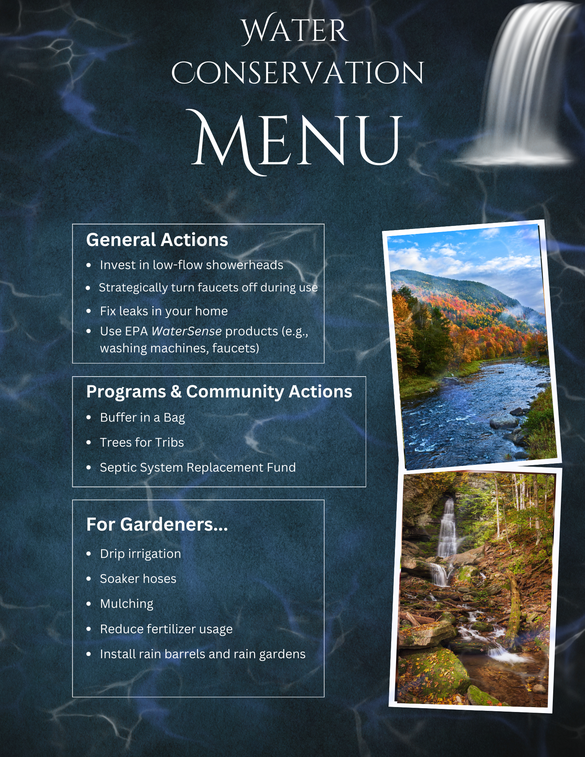
Our waterbodies provide recreational opportunities, wildlife habitat, and, in many cases, public drinking water. With summer in full swing, it is good practice to remain mindful of the relationship between warmer temperatures and drinking water supplies. Luckily, there are several actions you and your community can do to protect your drinking water. Please view the infographic below for a summary of the actions and programs discussed in this newsletter.
Hosting an event, webinar, or conference in 2024? Reach out to us at source.water@dec.ny.gov to schedule a presentation or tabling event. If you would like to learn more about DWSP2 and how it could help your municipality, fill out our Interest Form and a member of the DWSP2 team will contact you to discuss further.
Was this newsletter forwarded to you? Sign up so you don't miss an edition.
Missed the previous edition? Visit the DWSP2 Newsletter Archive to stay up to date.
Have you begun the DWSP2 process? Or do you have a program or are you aware of a program relevant to source water? Send in any helpful hints or information at source.water@dec.ny.gov and we may highlight them!
Follow DEC on Instagram to see what more you can learn about Connecting Climate Change to Drinking Water.
|