January 2026 OEM Quarterly Newsletter
|
"Get Ready" Part 3 Final
In our final part of our 3 part "Get Ready" series we are going to discuss what you should do to prepare for emergencies both at work and in your vehicle.
This newsletter will only serve as a guide. It should be noted that each person is unique. Every person has their own requirements, restrictions and abilities, including personal comforts. Build your in-car and at-work kit to suit your needs.
We'll first go over what you should have in a kit for your car. Think about the conditions. Is it winter or summer? Your kit's contents might have to change with the seasons.
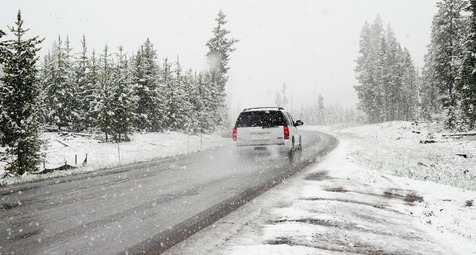
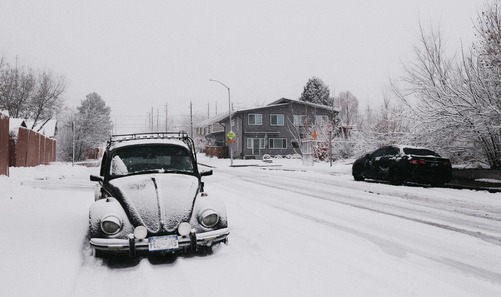
In winter, you may want to include an extra source of heat, in case your car becomes inoperable. Options may include an indoor safe heater, hand warmers, an extra coat, gloves and a blanket.
Whereas in summer, you may want to keep a bottle of sunscreen, a hat, a towel, and extra water.
Other important basics to consider are a first aid kit, electronic flares (like strobe lights), or reflectors and a flashlight.
Additional considerations may be a pair of snow chains that fit your vehicle's tires. Include a bag of sand or kitty litter and a small shovel in case your vehicle slides off the road. Ensure your kit has water and non-perishable snacks, as well.
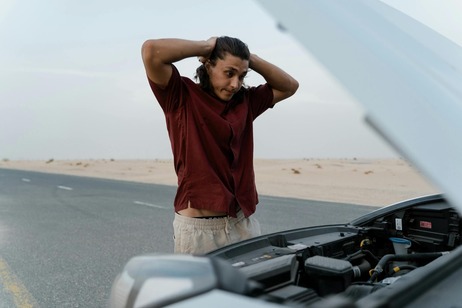
Include a small tool kit, with tools that fit your vehicle, like a screwdriver, ratchet set, tire changing tools, a car jack and essential vehicle fluids such as motor oil, coolant, wiper fluid and brake fluid. Follow your vehicle manual for details. Each vehicle can be different in its requirements.
It should also be noted that many new models no longer come with a spare tire. However, you can go to a tire store and buy an extra rim and tire for your vehicle, which is highly recommended, in the event that roadside assistance is unavailable.
If you do have a spare tire, when was the last time you checked its pressure? Many times, a spare can go flat from not being used for months or years.
Finally, ensure your vehicle is in proper working order before hitting the road.
Let's look at a workplace kit and what to consider if you get stranded at work.
Could you end up stranded at work? This could be from man-made or weather emergencies... If the answer is possibly yes, or even maybe, then you need to consider what to keep in your workspace. A workplace kit could be kept in a filing cabinet, drawer or under your desk.
You will want items such as a small first aid kit, non-perishable snacks and bottled water. Maybe a blanket, towel or pillow. The power at your workplace could go out as well.
Speak to your employer about emergency plans. Your employer may already have plans in place. If so, when was the last time these plans were reviewed or updated?
Quick Tip: Keep your first aid kit, food and water in a backpack as part of the in-car kit, as discussed above, but bring the backpack into your workplace every day, as it can double as your workspace kit as well. Be sure to check your workplace policies first.
 As part of your workplace preparedness planning, you may want to consider the possibility of workplace violence. Does your employer subscribe to workplace violence reporting programs, and do you know what they are? Is there a tip line or human resources (HR) department you can report such issues to? The Department of Labor and the Occupational Safety and Health Administration offer resources and training materials for employers to use at little to no cost to implement such programs.
This concludes our "Get Ready" series. In the series we went over "go-bags" in the event of an evacuation. We covered the 72-hour in-home kit in the last newsletter, and finally, we covered in-car and workplace kits and considerations in this newsletter.
As we enter 2026, let us do so with some peace of mind. We here at Santa Fe County Office of Emergency Management (OEM) want you to plan ahead before disaster strikes, to be as best prepared and trained as possible—for you, your family and all of our Santa Fe County community.
"An ounce of prevention is worth a pound of cure." - Benjamin Franklin
|