|
September is National Preparedness Month!
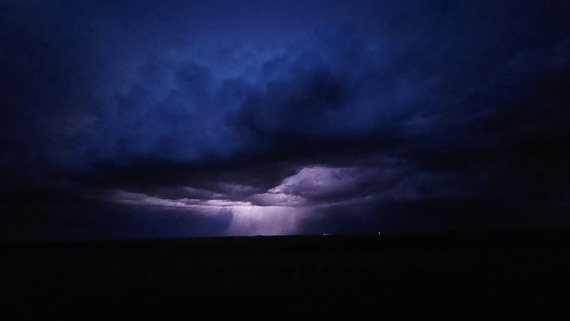
What better time than NOW to prepare. Whether it’s a man-made disaster, or mother nature displaying her power.
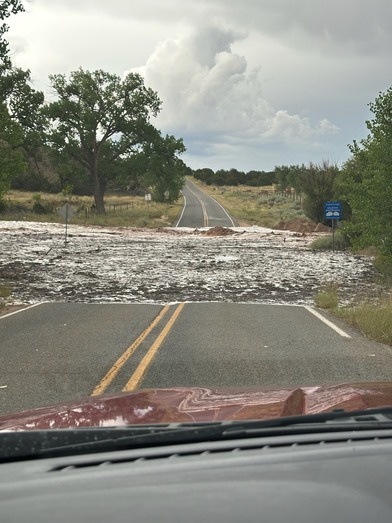
Photo Courtesy of K. Russell OEM, Stanley, NM
There are steps you can take to be more prepared and make informed decisions when confronted with a disaster.
Just last month, Santa Fe County unexpectedly experienced moderate to severe localized flooding, particularly at the CR 51 Ojo de la Vaca low water crossing and mountain-side communities. With that, we want to cover some flooding safety basics as part of National Preparedness Month and how that integrates into general preparedness.
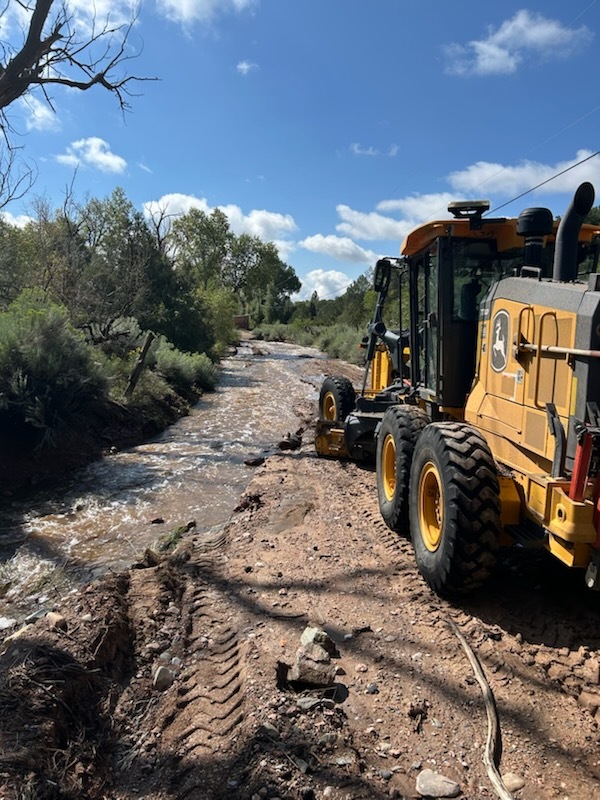
County roads were washed out, leaving some residents stuck at home or unable to get home. However, thanks to our Public Works Department, those county roads were reopened within 24 hours.
In incidents like these, we need to ask ourselves, are we adequately prepared?
Photo Courtesy of SFC Public Works, Canada Village Road, Canada De Los Alamos, August 27th
DON'T CONSIDER THIS CROSSING!
Photo Courtesy of SFC Employee H. Morrow, CR42 crossing, Galisteo, August 26th
If you see flowing water, like that pictured. Turn around, don’t drown! It takes as little as 2 feet of water to sweep a car away!
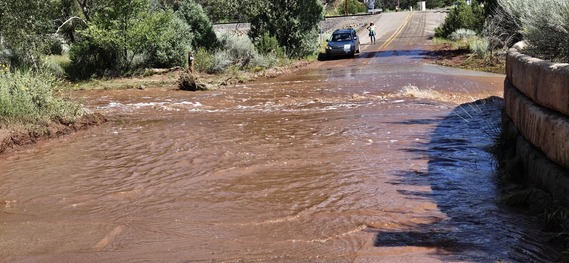 Photo Courtesy of K. Russell OEM, CR51 Galisteo Creek Crossing, August 27th
One can’t help but think, what if it were me who was stranded? What if it were a power outage, an earthquake, or a blizzard? What if it were more than 24 hours?
Santa Fe County does everything within its power to keep you safe. If a large-scale disaster did occur, it could potentially take some time to get help to you.
We know it's scary to think about, but it is something we need to consider seriously in this day and age. There's so much to think about, from increasing wind speeds and more red flag days to fire safety and prevention, defensible space, car kits, go bags, and 72-hour kits. The list goes on.
Consider the following:
Do you have a plan? Do you have supplies? Cold weather supplies? Drinking Water? Shelf-stable food? Back-up power sources?
Do you and your loved ones have a last will and testament? Do you have essential documents in an easy-to-grab evacuation bag? Do you have the required medications ready to go?
On the micro scale, do you know what disasters you face around your home? Does water flow into your house? Do you need improved drainage to avoid flooding? Do you get heavy run-off from melting snow? Do you require sandbags or a retaining wall? Are your insurance policies sufficient and current? When was your last home inspection?
Think ahead of the disaster, before it happens, by asking the simplest of questions and building toward your peace of mind.
"An ounce of prevention is worth a pound of cure."
It is up to you to consider these questions and make those decisions for you, your safety, your family, and your personal property.
 |
|
There could come a time when YOU are your own first responder.
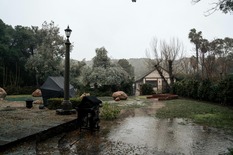
Know what could happen where you and your family live. This helps you figure out what you need to do to stay safe. You can explore various disasters and emergencies on Ready.Gov.
|
 |
|
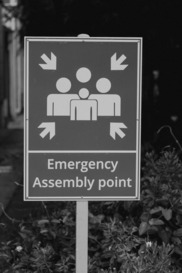
- Make a family emergency plan.
Making a plan early helps you reduce stress and save time and money. You can quickly and easily download and create a plan using FEMA’s fillable form. Disasters are costly, but preparing for them doesn’t have to be. Taking the time to prepare now can help you save thousands of dollars and give you peace of mind when the next disaster or emergency occurs.
Visit Ready.Gov’s low and no-cost tip page to see how you can be better prepared without spending a lot of money.
|
 |
|
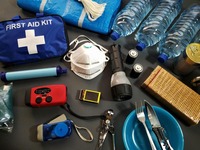
- Build an emergency supply kit.
If you are a current subscriber to OEM's newsletter, you know we are doing a series of quarterly newsletters that cover an in-car kit, work kit, home kit, 72-hour supply kit, and evacuation "go-bags".
Having enough food, water, and medicine can help you stay safe and comfortable until help arrives. Having what you need means you don't have to scramble.
|
There are several organizations you can join in our community. From volunteering to clean up open spaces and hiking trails, to becoming a volunteer firefighter or emergency medical technician.
You can sign up for Alert Santa Fe and/or build your Smart 911 profile. This will help you stay informed about what's happening in your local community and also enable first responders to access the information you've uploaded to your profile that they should know.
You can also become AED/CPR certified through the American Red Cross.
You can also educate yourself through FEMA's independent study program and receive valuable educational certificates from the Emergency Management Institute.
Did You Know?
The famous quote “An ounce of prevention is worth a pound of cure” was coined by Benjamin Franklin in 1736. He wrote the line in an article regarding fire prevention and preparedness for the City of Philadelphia.
In keeping with that tradition and spirit. Let’s echo the sentiment of Benjamin Franklin and ensure we make any preparations that we can, to weather the storm for a more resilient Santa Fe County!
We have several projects and continual campaigns.
- We have launched in-house Incident Command Structure (ICS) courses for internal Santa Fe County staff. This is in the event of a prolonged disaster. This is so we have adequate staffing for our Emergency Operations Center.
- We are going to release a fire awareness coloring book for children. Be on the lookout for county events!
- Educating the public and assisting them with Smart 911 signups and profile building, particularly for individuals with access and functional needs.
- We just recently had our Hazard Mitigation Plan approved by the Santa Fe County Board of County Commissioners.
- We also had our Hazardous Materials Response Plan approved through the Local Emergency Planning Committee.
- Additionally, we are currently working on our Threat Hazard Identification and Risk Assessment (THIRA) which should be completed by 2026.
- We just completed our NIMS compliance.
- We submitted grant requests to the Federal Government. If approved, those funds will go toward hazard mitigation and our first response resources.
- We continue to run public education campaigns regarding wildfire awareness in collaboration with our Fire Department.
It has been a busy year for OEM and is only going to get busier. We ask that you use these tips and get prepared NOW! We can only do so much; your life and property are your responsibility. Protect what you work so hard for.
|