|
February 5, 2024

|
|
NJOHSP Interfaith Meeting Features Threats’ Mental Health Impact Presentation
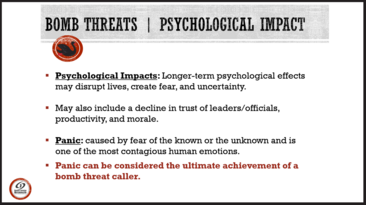
More than 70 faith-based leaders attended the New Jersey Office of Homeland Security and Preparedness’ Jan. 25 Interfaith Advisory Council meeting, which featured the mental health presentation, “Cumulative Stress of Ongoing Bomb Threats at Houses of Worship.” The IAC is one of the first and largest of its kind in the country and a model for other states. It provides a network for collaboration between law enforcement and faith-based groups, which is crucial in safeguarding houses of worship in one of the most diverse states in the nation. The Deputy Director of the Disaster and Terrorism Branch of the New Jersey Department of Human Services, Megan Sullivan, who led the presentation, noted the long-term psychological impacts from the last few years’ world-changing events, including terrorism and bomb threats. Military conflicts in the Middle East and Eastern Europe, the pandemic, political instability and civil unrest are additional factors, she added. Sullivan described the panic associated with these events as, “one of the most contagious human emotions.” NJOHSP Director Laurie Doran and New Jersey Attorney General Matthew Platkin provided opening remarks for the meeting which also incorporated federal, State and local law enforcement partners. Additional meeting topics included:
- State and federal nonprofit security grant programs
- Threat analysis
- Bleeding control kits
- A cybersecurity briefing
- A New Jersey Suspicious Activity Reporting System briefing
Individuals interested in learning more about the IAC can visit njohsp.gov/interfaith.
|
Additional Resources
NJSARS | Grant Programs
|
|
 NJCCIC Reports Uptick in Compromised Accounts

The New Jersey Cybersecurity and Communications Integration Cell has observed increased reports of compromised accounts for New Jersey residents and businesses over the last few weeks. In these campaigns, threat actors used phishing links and attachments to obtain access to the accounts. Once accessed, they impersonated the victims and sent emails on their behalf to update financial information, solicit payments, advertise purported employment opportunities or conducted further malicious activity. The NJCCIC advises users to avoid clicking links or opening attachments delivered in suspicious or unexpected emails. Compromised account users should log out of all devices and browsers to invalidate current access tokens and the threat actor’s old tokens, revoke suspicious connections and immediately update their password. After resetting the password, log back in to generate new authorized and uncompromised tokens. Users should also enable multifactor authentication. Organizations that identify compromised accounts on their networks should lock the users’ accounts and notify recipients of any malicious emails sent during the compromise. For more information, visit the NJCCIC’s website.
|
Additional Resources
Incident Reporting | NJCCIC Membership
|
|
 FBI Director: Chinese Hackers Plan to ‘Wreak Havoc’ on US Critical Infrastructure
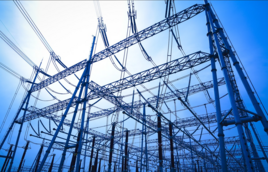
On Jan. 29, FBI Director Christopher Wray warned lawmakers about the growing threat of Chinese cyberattacks on U.S. critical infrastructure, including U.S. electrical grids. During an appearance before the House Select Committee on the Chinese Communist Party, Wray said, “China’s hackers are positioning on American infrastructure in preparation to wreak havoc and cause real-world harm to American citizens and communities, if or when China decides the time has come to strike.” A committee member said authorities discovered CCP botnet malware in certain critical infrastructure, but the CCP had not yet activated the software. On the same day that Wray and the head of the Cybersecurity and Infrastructure Security Agency testified about the growing threat, the FBI and Department of Justice announced the agencies' shut down of a major China-based hacking group that was targeting U.S. water treatment plants, the power grid, oil and natural gas pipelines and transportation systems. Officials believe the group, “Volt Typhoon,” attacked hundreds of routers in offices, allowing the Chinese government to access critical data. Wray said the malware “enabled China to hide, among other things, pre-operational reconnaissance and network exploitation against critical infrastructure.” He used U.S.-based communications, energy, transportation and water sectors as examples. China took these steps to find and prepare to destroy or degrade the civilian critical infrastructures that keep the U.S. safe and prosperous, he added. Authorities discovered the hacking campaign in May 2023 and expressed concern Chinese hackers could disrupt U.S. military operations in the Indo-Pacific region.
|
|
|
Contact Information
For more information, please contact communications@njohsp.gov.
The NJOHSP Weekly Bulletin is a weekly publication of the New Jersey Office of Homeland Security and Preparedness and is intended to provide our constituents with finished intelligence and resiliency publications and announcements.
Report Suspicious Activity: Call 1-866-4-SAFE-NJ or email tips@njohsp.gov.
|
|
|
|