- Epi-Center detected an overdose spike between 11pm 11/26/2024 and 11pm 11/27/2024
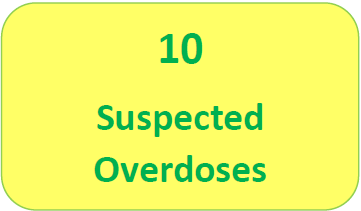
- 10 suspected overdoses (threshold is 6 overdoses)
Patients were treated at Capital Health Regional Medical Center, Capital Health East Trenton, Capital Health Medical Center - Hopewell and RWJ University Hospital Hamilton
6 patients were discharged to home 2 patients discharged themselves against medical advice 2 patients were not discharged with no diagnosis code given
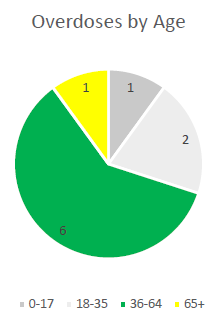
Of 10 overdose cases, 1 overdose was under 18, 2 overdoses were between the ages of 18-35, 6 overdoses were between the ages of 36-64 and 1 overdose was 65 or older.
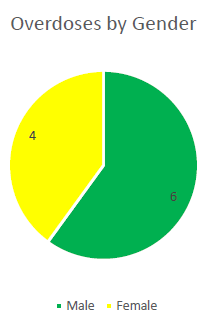
Of 10 overdose cases, 6 patients were male and 4 patients were female.
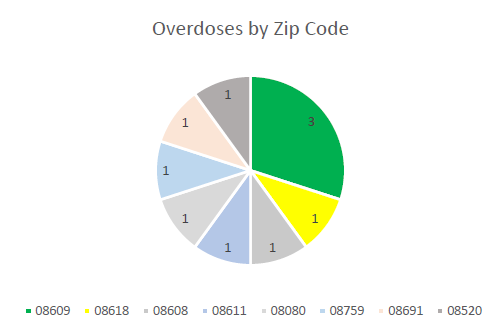 Of 10 overdose cases, 3 occurred in zip code 08609, 1 occurred in zip code 08618, 1 occurred in zip code 08608, 1 occurred in zip code 08611, 1 occurred in zip code 08080, 1 occurred in zip code 08759, 1 occurred in zip code 08691, and 1 occurred in zip code 08520.
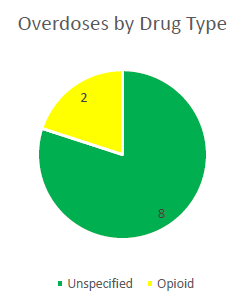
Of 10 overdose cases, 8 were caused by unspecified drug type (1 accidental ingestion) and 2 were caused by opioids.
What can cause a spike?
- A change in the local drug supply may cause a spike.
- Very strong opioids are being mixed into all types of drugs. This includes heroin, cocaine, counterfeit or fake prescription pills, meth, and cannabis.
Who should sign up for Overdose Spike Alerts?
- People who use drugs
- Friends and family of people who use drugs
- Service providers
What should you do if there is an overdose spike?
For people who use drugs
Take steps for safer drug use:
- Test all drugs for fentanyl before using.
- Carry Narcan® (naloxone)
- Get safer use supplies, including Narcan® from your local pharmacy and fentanyl test strips from harm reduction center Hyacinth AIDS Foundation
- Avoid using street drugs alone; call Never Use Alone at (800) 484-3731.
For everyone in our community
Recognize the signs of an overdose:
- Pale, sweaty or clammy skin
- Lips/fingertips turn blue.
- Slow or irregular breathing: gasping, gurgling, or snoring
- Difficult or unable to wake.
- Always call 911 if you suspect someone is overdosing.
- Treatment and recovery resources
Medication Assisted Treatment Resources
Link to medication assisted treatment resources
Full Mercer County Resource Directory
Link to full resource directory
Hyacinth Foundation
The Hyacinth Foundation offers Syringe Access Programs (SAP), which are community-based programs that provide access to sterile syringes, needles, and other injection equipment and facilitate safe disposal of used needles and syringes. Syringe Access Programs provide a comprehensive approach to harm reduction by integrating behavioral interventions and access to services to prevent and reduce the transmission of HIV and other blood-borne diseases. In addition to Syringe Access Programs, Hyacinth provides free and confidential health services, including naloxone training and distribution.
Naloxone/Narcan (Opioid Antidote) Training
The New Jersey Division of Mental Health and Addiction Services provides an instructional video on the use of Narcan (naloxone) for those looking to learn how to help overdose victims. The site also provides information on free, in-person trainings on how to use Narcan.
Additional resources for Naloxone (NARCAN)
-Pharmacies, FREE Naloxone; there are many in Mercer County listed.
Naloxone365: NJ Free Naloxone at Pharmacies Program | NJOIT Open Data Center
-Mercer County Library System
Narcan Training and NJ Naloxone Distribution - Mercer County Library System (mcl.org)
Helplines
NJ’S 24/7 ADDICTION HELPLINE 1-844-732-2465
-If you are having thoughts of suicide
-If you need mental health-related crisis support
-If you are worried about someone else
Please call or text 988 or visit the National Suicide Prevention Lifeline chat to connect with a trained crisis counselor.
|